Maritime Intelligence Hub

Shipping news, market analysis and industry insights — curated by our team for maritime professionals worldwide.

221+Articles Published
8News Sources
6hUpdate Frequency
35+Years Maritime Expertise
🌊 All News 📈 Shipping Market ⛽ Bunker & Fuel 🚢 Port Operations 📋 Regulations 🛡️ Safety & Environment 🔧 Shipbuilding & Repair 👨‍✈️ Crew & Manning 📦 Trade & Commodities
Estonia's Shadow Fleet Stance: Baltic Risks & Implications for Global Shipping
📋 Regulations 9d ago

Estonia's Shadow Fleet Stance: Baltic Risks & Implications for Global Shipping

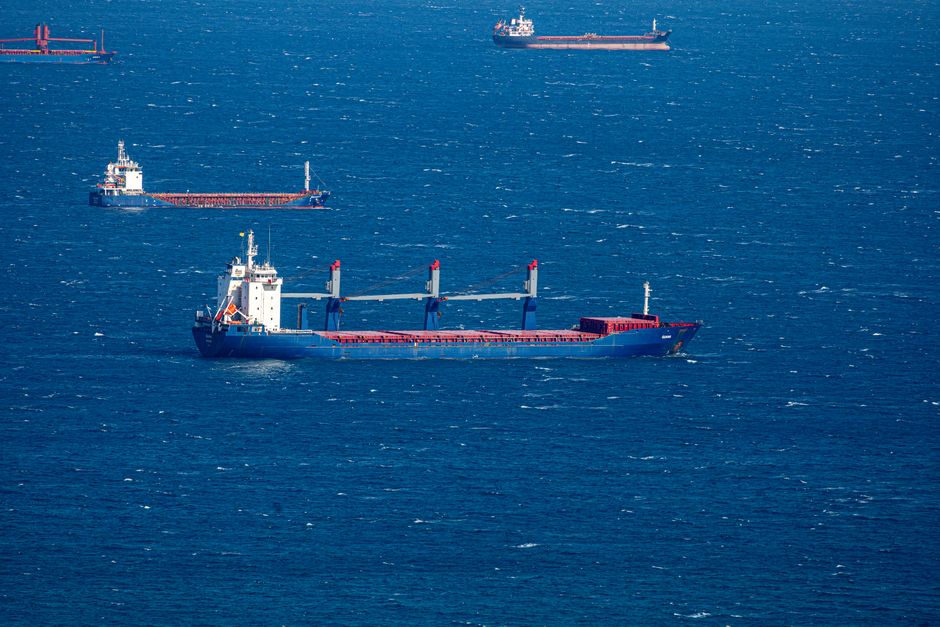
Estonia has opted against detaining Russian 'shadow fleet' tankers in the Baltic Sea, citing military escalation risks from Moscow. This decision underscores the complex geopolitical landscape impacting maritime operations and the enforcement of Western sanctions.

  • Estonia will not detain Russian 'shadow fleet' vessels in the Baltic due to military escalation risks.
  • The decision highlights challenges in enforcing sanctions and managing geopolitical maritime risks.
  • Impacts legitimate ship operators through increased market uncertainty and potential safety concerns.
Russia's Proposed Foreign Carrier Ban: Navigating New Sanction Headwinds
📋 Regulations 9d ago

Russia's Proposed Foreign Carrier Ban: Navigating New Sanction Headwinds

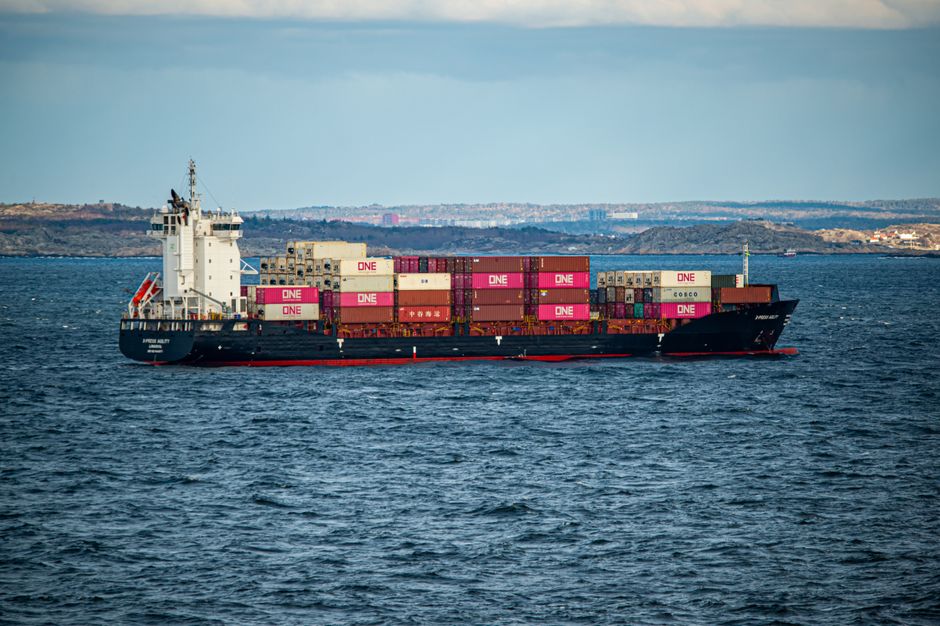
Russia is reportedly drafting a decree to ban specific foreign containerships from its ports, aiming to gain leverage amid ongoing sanctions. This move, while potentially symbolic, could further strain global supply chains and necessitate operational adjustments for ship operators.

  • Russia plans to ban specific foreign containerships from its ports.
  • The move aims to gain leverage amidst existing sanctions, adding global supply chain stress.
  • Ship operators must review routes, contracts, and potential cargo diversions.
Container Freight Futures Debut: A New Era for Risk Management in Shipping
📈 Shipping Market 9d ago

Container Freight Futures Debut: A New Era for Risk Management in Shipping

The New York Shipping Exchange (NYSHEX) has successfully brokered the first container derivative trade for Asia-North Europe 40ft containers, marking a significant evolution in maritime risk management. This development offers ship operators and fleet managers new financial instruments to hedge against volatile freight rates.

  • First container derivative trade successfully brokered by NYSHEX for Asia-North Europe 40ft containers.
  • Introduces new financial tools for ship operators to hedge against freight rate volatility.
  • Enhances financial predictability and stability for carriers and cargo owners.
Hormuz Ceasefire Fails to Revive Shipping: Strategic Implications for Mediterranean Routes
📈 Shipping Market 9d ago

Hormuz Ceasefire Fails to Revive Shipping: Strategic Implications for Mediterranean Routes

The recent US-Iran ceasefire has not alleviated the shipping standstill in the Strait of Hormuz, which remains under firm Iranian military control. This sustained disruption presents significant operational and strategic challenges for global maritime trade, particularly impacting routes reliant on the Arabian Gulf.

  • Hormuz traffic remains stalled despite US-Iran ceasefire.
  • Ship operators face continued routing challenges, higher insurance, and delays.
  • Impacts Turkish, Mediterranean, European energy and trade routes directly.
Türkiye's Deepwater Drilling in Somalia: New Opportunities & Maritime Implications
📦 Trade & Commodities 9d ago

Türkiye's Deepwater Drilling in Somalia: New Opportunities & Maritime Implications

Türkiye has commenced its first deepwater offshore hydrocarbon exploration abroad, deploying a seventh-generation drillship to Somalia to spud one of the world's deepest offshore wells. This strategic move holds significant implications for regional energy security, maritime support services, and potential new trade routes.

  • Türkiye initiates first deepwater hydrocarbon drilling abroad in Somalia.
  • Project involves a 7th-gen drillship targeting the world's second-deepest offshore well.
  • Creates immediate demand for specialized offshore support vessels and logistics.
Hormuz Strait: Post-Conflict Reality & Strategic Implications for Shipping
📈 Shipping Market 10d ago

Hormuz Strait: Post-Conflict Reality & Strategic Implications for Shipping

The resolution of the current Middle East conflict will not automatically restore pre-war shipping normalcy in the Strait of Hormuz, ushering in a new, complex operational reality. Ship operators must prepare for sustained geopolitical shifts impacting transit, insurance, and supply chain resilience in this critical waterway.

  • Post-conflict Hormuz will see a 'new reality,' not a return to pre-war normalcy.
  • Elevated insurance premiums and sustained security risks are expected to persist.
  • Global energy and trade flows via Hormuz face long-term geopolitical shifts.
Transpacific/Transatlantic Rates Surge on Fuel Surcharges: What it Means for Your Fleet
📈 Shipping Market 9d ago

Transpacific/Transatlantic Rates Surge on Fuel Surcharges: What it Means for Your Fleet

Emergency fuel surcharges have significantly boosted spot rates on transpacific and transatlantic routes, directly impacting shipping costs for vessels bound for the US. This development underscores the escalating operational expenses faced by ship operators and the need for strategic procurement and service partnerships.

  • Emergency fuel surcharges have driven significant spot rate increases on transpacific and transatlantic routes.
  • Shanghai-Los Angeles rates rose 9% to $2,910/40ft; Shanghai-New York up 7% to $3,671/40ft.
  • Rising fuel costs globally necessitate urgent review of freight contracts and bunker procurement strategies.
Hormuz Tensions Escalate: Crude Scarcity Spreads, Impacting Global Shipping
📦 Trade & Commodities 9d ago

Hormuz Tensions Escalate: Crude Scarcity Spreads, Impacting Global Shipping

The Strait of Hormuz, a critical chokepoint, is central to Iran's deterrence strategy, leading to escalating control efforts that are now causing crude scarcity to spread from Asia to the Atlantic basin. This geopolitical tension directly impacts global maritime trade, forcing ship operators to re-evaluate route planning, bunker strategies, and supply chain resilience.

  • Hormuz control by Iran is causing crude scarcity from Asia to the Atlantic.
  • Ship operators face heightened transit risks, insurance hikes, and potential rerouting.
  • Bunker fuel prices will see increased volatility due to crude supply disruptions.
Hormuz Under Fire: Firsthand Account Reveals Peril for Commercial Tankers & Crew
🛡️ Safety & Environment 10d ago

Hormuz Under Fire: Firsthand Account Reveals Peril for Commercial Tankers & Crew

A Seatrade Maritime report details the harrowing reality of commercial tankers navigating the Strait of Hormuz, a critical chokepoint now a conflict zone, leaving an estimated 20,000 seafarers stranded. This firsthand account underscores profound operational and human resource challenges for ship operators worldwide.

  • 20,000 seafarers stranded in Gulf due to Hormuz tensions.
  • Commercial tankers face direct security threats & increased war risk insurance.
  • Disruptions impact global energy supply chains and maritime trade routes.
Royal Navy's Autonomous Minehunter 'Adventure': A Game Changer for Maritime Safety?
🛡️ Safety & Environment 11d ago

Royal Navy's Autonomous Minehunter 'Adventure': A Game Changer for Maritime Safety?

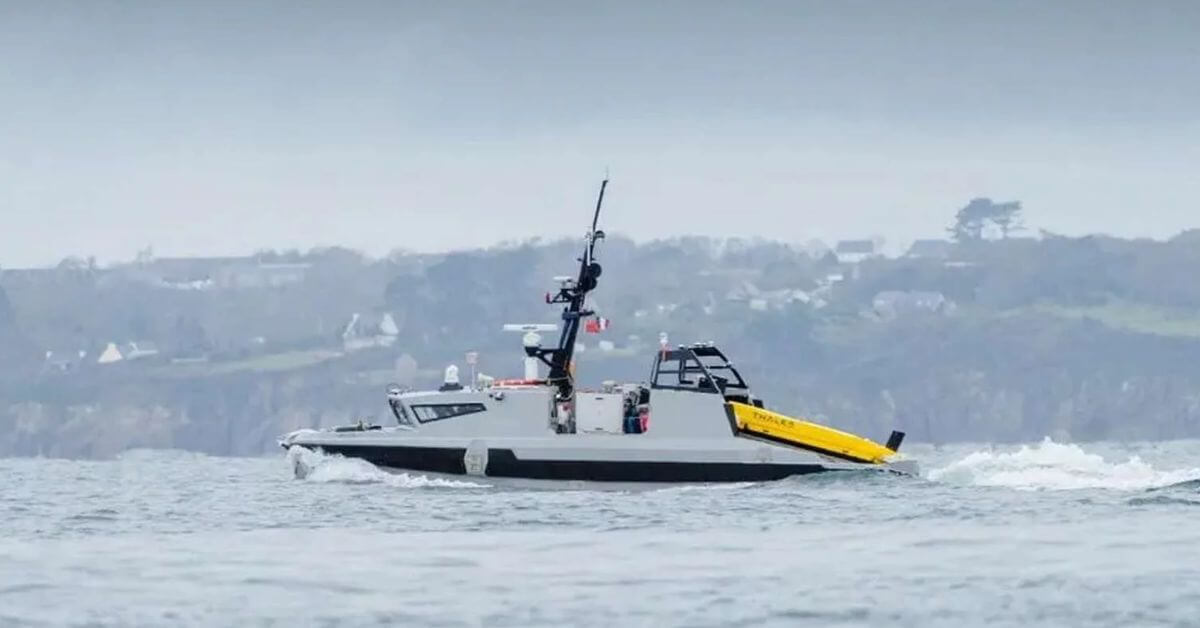
The Royal Navy has taken delivery of 'Adventure,' a sophisticated uncrewed minehunting system, as part of a joint UK-France program to modernize naval mine warfare. This system aims to detect and neutralize naval mines without putting human crews at risk, signaling a significant shift in maritime security capabilities.

  • Royal Navy deploys 'Adventure', an autonomous minehunting USV, marking a shift in naval mine warfare.
  • The system enhances maritime safety by detecting and neutralizing mines without risking human crews.
  • Improved mine countermeasure capabilities directly benefit commercial shipping by securing vital routes in Europe, the Middle East, and the Mediterranean.
NOOs Triple Box Ship Orderbook: What it Means for Your Fleet & Future Capacity
📈 Shipping Market 11d ago

NOOs Triple Box Ship Orderbook: What it Means for Your Fleet & Future Capacity

Non-operating shipowners (NOOs) have tripled their combined orderbook for box ship tonnage over the past year, signaling a strong return to newbuilding investments after a period of fleet divestment. This surge in orders is set to significantly increase global container shipping capacity in the coming years, impacting charter markets and operational strategies for fleet managers worldwide.

  • NOOs' orderbook surged to 1.8M TEU, signaling major capacity increase.
  • New, modern vessels will heighten competition and pressure older fleets.
  • Impacts charter rates and demands proactive fleet modernization strategies.
West Africa's Container Boom: Navigating Bigger Ships & Evolving Trade Routes
📈 Shipping Market 12d ago

West Africa's Container Boom: Navigating Bigger Ships & Evolving Trade Routes

West Africa's container shipping landscape has undergone significant transformation, now regularly hosting larger vessels and demonstrating a matured shipping infrastructure. This evolution presents both opportunities and challenges for ship operators and maritime service providers globally.

  • West Africa's container ports now accommodate the largest ships, reflecting significant infrastructure development.
  • Ship operators must re-evaluate fleet deployment and operational strategies for efficient West African trade.
  • Increased vessel sizes amplify demand for advanced port services, bunkering, and efficient turnaround times.