🇳🇱 Dutch Maritime Trade with Turkey
The Netherlands is one of the world's foremost maritime nations, home to Europe's largest port in Rotterdam — which handles over 460 million tonnes of cargo annually — and a maritime cluster that generates more than €25 billion in annual revenue. The Dutch maritime industry is uniquely diversified, encompassing global dredging giants like Royal Boskalis Westminster and Van Oord, a thriving offshore wind sector in the North Sea, one of the world's densest inland waterway networks, and a long tradition of excellence in shipbuilding, naval architecture, and maritime innovation.
Turkey and the Netherlands benefit from a strong trading relationship underpinned by the Turkey-EU Customs Union, which has been in effect since 1996. This agreement eliminates customs duties on industrial manufactured goods — including marine equipment, deck machinery, valves, and safety systems — traded between the two countries. For Dutch buyers, this means Turkish-manufactured marine products enter the Netherlands at zero tariff, making Turkey a highly competitive alternative to traditional Western European and Far East suppliers in terms of both cost and lead time.
Seaway Ship Services connects Turkey's expanding marine manufacturing base with the Netherlands' demanding maritime sector. Whether supplying dredging components for Boskalis vessels operating worldwide, deck equipment for Van Oord's offshore wind installation fleet, safety systems for the Royal Netherlands Navy, or piping and valves for Rotterdam-based ship repair yards — Seaway ensures every product meets European CE marking standards, the EU Marine Equipment Directive (MED), and classification society approvals from Bureau Veritas, DNV, and Lloyd's Register.
📦 Marine Equipment for the Dutch Market
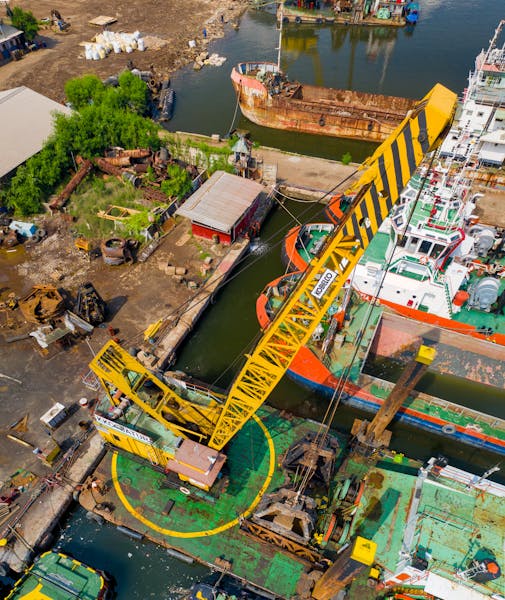
Deck Machinery & Cargo Handling
Heavy-duty deck equipment for Dutch commercial vessels, dredgers, offshore construction vessels, and inland waterway barges. All products carry CE marking and meet EU Machinery Directive requirements recognised by Dutch flag state authorities.
- Mooring & towing winches
- Deck cranes & cargo handling gear
- Davits & launching appliances
- Dredging winches & spud systems
- Gangways & access systems
- Capstans & mooring equipment
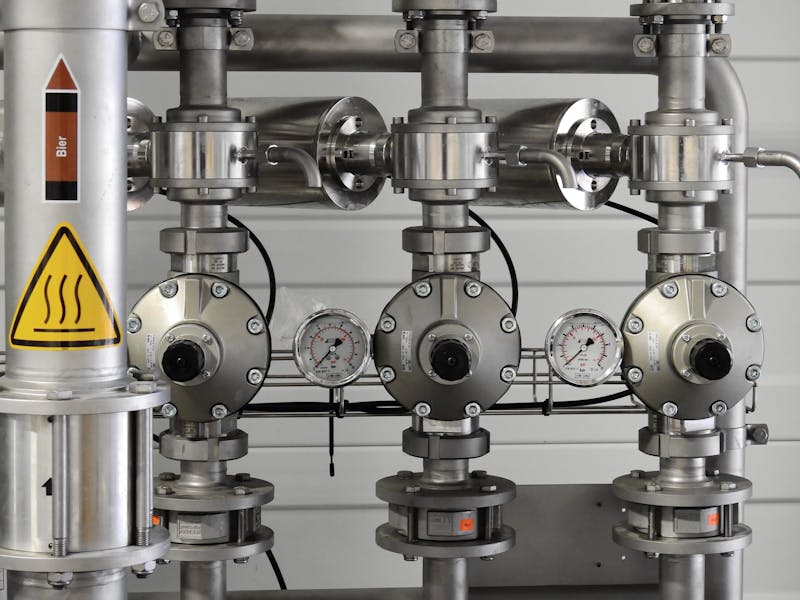
Propulsion & Maneuvering Systems
High-performance propulsion solutions for Dutch-flagged vessels, from North Sea offshore support ships to Rhine river pushboats. Built to DNV, Bureau Veritas, and Lloyd's Register class specifications recognised by the Netherlands Shipping Inspectorate (ILT).
- Steering gear & rudder systems
- Fixed & controllable pitch propellers
- Bow & stern thrusters
- CPP & azimuth systems
- Shaft lines & bearings
- Rudder stocks & accessories
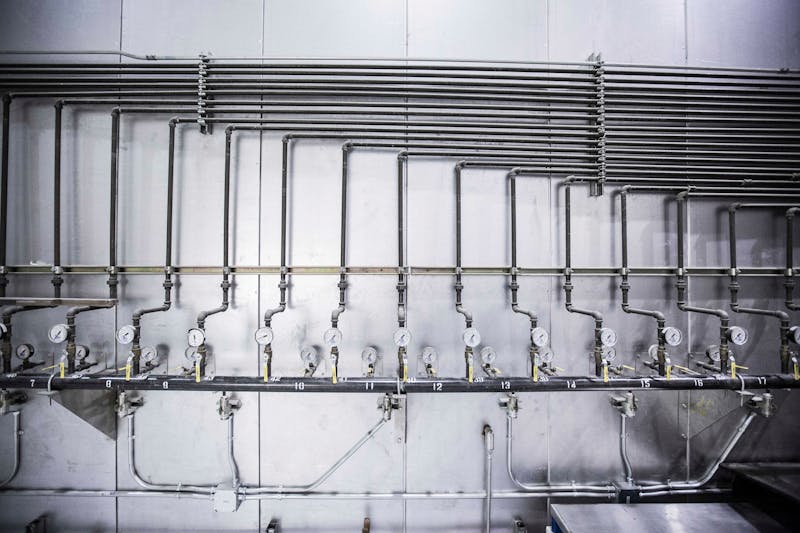
Piping, Valves & Fluid Management
Complete piping and valve solutions manufactured to EN and ISO standards. Suitable for Dutch offshore installations, dredging vessels, and the extensive network of inland shipping vessels regulated by European standards and the Central Commission for Navigation on the Rhine (CCNR).
- Pipe fittings & flanges (EN/ISO standards)
- Marine valves (gate, globe, butterfly, check)
- Centrifugal & positive displacement pumps
- Dredge pump components & spare parts
- Tank equipment & level indicators
- Hydraulic pipe systems
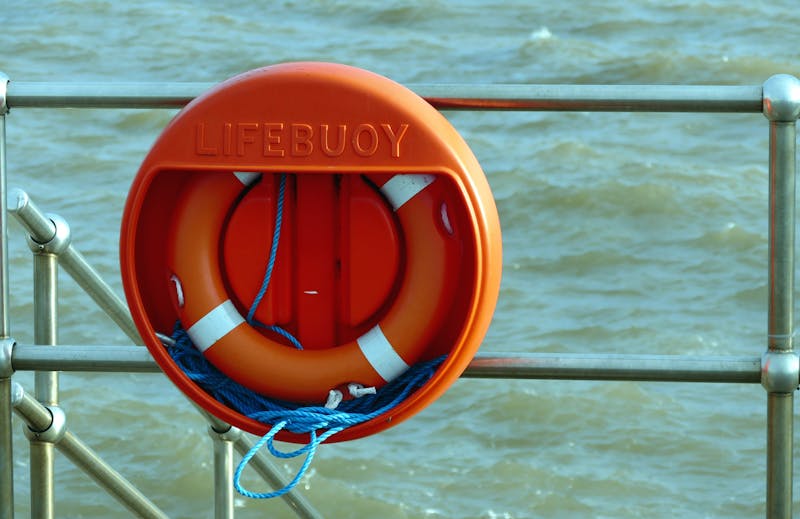
Safety Equipment — LSA & FFE
SOLAS-compliant life-saving appliances and fire-fighting equipment meeting EU Marine Equipment Directive (MED) requirements. Products carry the MED wheel mark and are accepted by the Netherlands Shipping Inspectorate for Dutch-flagged vessels worldwide.
- Lifeboats & rescue boats
- Inflatable & rigid life rafts
- Fire extinguishers & suppression systems
- Breathing apparatus (SCBA/EEBD)
- Immersion suits & life jackets
- Fire detection & alarm systems
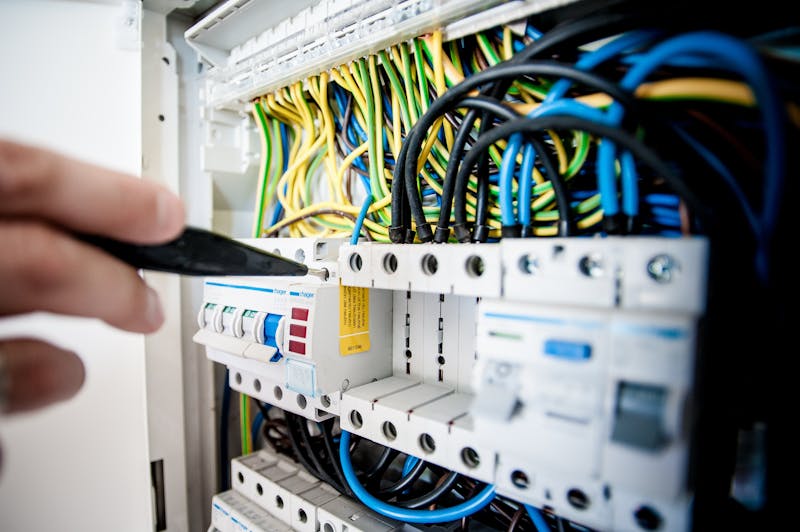
Electrical, Automation & Navigation
Marine electrical and navigation systems compliant with EU Low Voltage Directive and EMC Directive requirements. Suitable for Dutch-flagged vessels under ILT inspection, North Sea offshore platforms, and automated inland shipping vessels.
- Main & emergency switchboards
- Generators & alternators
- Marine cables & connectors (EN standards)
- ECDIS, radar & AIS systems
- GMDSS communication equipment
- Automation & control panels
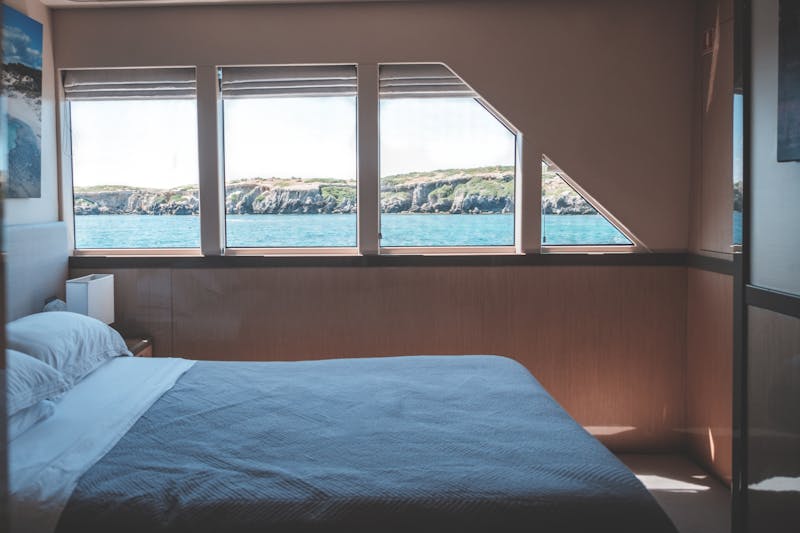
Interior, Outfitting & HVAC
Ship interior solutions and climate control systems for Dutch operating conditions, from North Sea cold-weather specifications to passenger vessel comfort standards. Designed for offshore accommodation modules, river cruise vessels, and commercial shipping fleets.
- Marine furniture & accommodation
- Galley & catering equipment
- Laundry & water treatment
- HVAC & ventilation systems
- Insulation & fireproofing materials
- Doors, windows & hatches
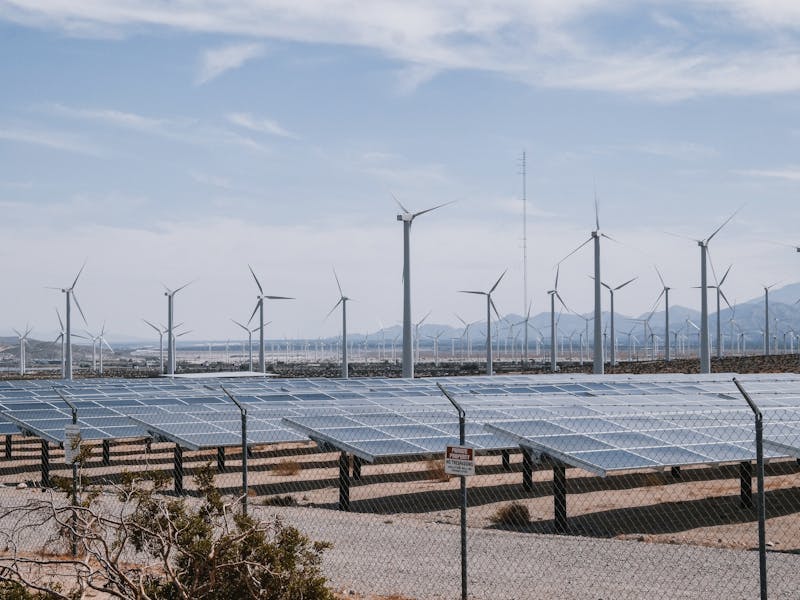
Environmental & Green Technology
Eco-friendly marine systems helping Dutch operators meet IMO 2030/2050 targets and the EU Green Deal objectives. Supporting the Netherlands' ambition to lead the global green shipping transition through the Dutch Green Deal on Maritime and Inland Shipping.
- Ballast Water Treatment Systems (BWTS)
- Exhaust gas scrubbers
- Oily Water Separators (OWS)
- Battery & hybrid propulsion systems
- Shore power connection systems
- Waste management equipment
Additional Export Products for Dutch Buyers
🎯 Key Advantages for Dutch Buyers
Sourcing marine equipment from Turkey through Seaway offers Dutch maritime operators, dredging companies, offshore contractors, and shipyards a compelling combination of duty-free access, competitive pricing, and fast logistics. Here's why leading Dutch maritime companies are increasingly sourcing from Turkey.
EU Customs Union — Zero Tariffs
The Turkey-EU Customs Union eliminates import duties on industrial goods including marine equipment. Dutch buyers pay zero tariffs on Turkish-manufactured deck machinery, valves, pumps, and safety systems — a significant cost advantage over non-EU origin suppliers from Asia or the Americas.
30-40% Cost Savings
Turkish marine equipment offers 30-40% savings compared to equivalent Dutch and Western European products. Combined with zero tariffs under the Customs Union and favourable EUR-to-TRY exchange rates, the total landed cost advantage for Dutch buyers is substantial.
CE Marked & MED Compliant
Turkish marine manufacturers produce to the same CE marking and EU Marine Equipment Directive standards required in the Netherlands. Products arrive ready for installation on Dutch-flagged vessels without additional certification or modification.
7-10 Day Direct Shipping
Regular container liner services connect Istanbul, Izmir, and Mersin directly to Rotterdam — Europe's largest port. Transit times of 7-10 days via the Mediterranean and English Channel are weeks faster than Far East alternatives and competitively priced.
🛣️ Logistics & Shipping to the Netherlands
The Netherlands' position as the gateway to European logistics makes it exceptionally well-served by international shipping routes. Rotterdam, Europe's largest port by cargo volume, offers unmatched connectivity with Turkish ports through frequent container liner services. Cargo departs from Turkey's principal commercial ports — Istanbul (Ambarli), Izmir (Alsancak), and Mersin — travelling westward through the Mediterranean, past Gibraltar, through the English Channel, and into the North Sea. The Port of Rotterdam's Europoort and Maasvlakte terminals ensure rapid customs clearance under the EU Customs Union framework.
| Origin Port (Turkey) | Destination Port (Netherlands) | Estimated Transit | Shipping Route |
|---|---|---|---|
| Istanbul (Ambarli) | Rotterdam (Europoort) | 7-9 days | Mediterranean → Gibraltar → Bay of Biscay → English Channel → North Sea |
| Istanbul (Ambarli) | Amsterdam | 8-10 days | Mediterranean → Gibraltar → Bay of Biscay → English Channel → North Sea |
| Mersin | Rotterdam (Maasvlakte) | 8-10 days | Mediterranean → Gibraltar → Bay of Biscay → English Channel → North Sea |
| Izmir (Alsancak) | Vlissingen (Flushing) | 7-9 days | Mediterranean → Gibraltar → Bay of Biscay → English Channel → Westerschelde |
| Istanbul (Ambarli) | Moerdijk | 8-10 days | Mediterranean → Gibraltar → Bay of Biscay → English Channel → North Sea |
| Izmir (Alsancak) | Rotterdam (Europoort) | 7-9 days | Mediterranean → Gibraltar → Bay of Biscay → English Channel → North Sea |
| Mersin | Amsterdam | 9-11 days | Mediterranean → Gibraltar → Bay of Biscay → English Channel → North Sea |
FCL & LCL Options
Full container load for larger orders and less-than-container-load for smaller consignments. Rotterdam's vast terminal capacity ensures rapid unloading and onward distribution across the Netherlands and wider European hinterland.
EU Customs Documentation
Full export documentation including commercial invoices, packing lists, A.TR movement certificates for duty-free clearance under the Turkey-EU Customs Union, and EUR.1 certificates where applicable.
Air Freight for Urgencies
Urgent spare parts and critical equipment shipped by air freight from Istanbul to Amsterdam Schiphol Airport — one of Europe's major cargo hubs — with delivery within 24-48 hours.
Marine Cargo Insurance
Comprehensive marine cargo insurance covering all-risk transit from Turkish warehouse to Dutch delivery point. CIF and DDP Incoterms available for hassle-free delivery to any Dutch port or inland location.
🇹🇷 Why Dutch Companies Choose Turkish Marine Equipment
Turkey's marine manufacturing sector has undergone rapid modernisation, with the country now ranking among the world's top shipbuilding nations. For Dutch buyers — operating in one of the world's most cost-conscious and quality-demanding maritime markets — the advantages of sourcing from Turkey through Seaway are increasingly compelling.
World-Class Manufacturing
Turkey operates 80+ active shipyards and hundreds of marine equipment factories producing to ISO 9001, ISO 14001, and OHSAS 18001 standards — the same quality frameworks used by Dutch maritime companies like Damen, IHC, and Huisman.
Classification Society Approved
Products certified by DNV, Bureau Veritas, Lloyd's Register, ABS, and Turkish Lloyd. Dutch-flagged vessels can be equipped with full confidence in ILT acceptance of class-approved Turkish equipment.
Euro Zone Pricing Advantage
Favourable EUR-to-TRY exchange rates amplify the cost advantage for Dutch buyers. Combined with zero Customs Union tariffs, Turkish marine equipment offers one of the best value propositions in the European maritime supply chain.
Customs Union Benefits
The Turkey-EU Customs Union ensures zero tariffs and streamlined customs procedures on industrial goods. A.TR movement certificates enable duty-free entry of Turkish marine equipment into the Netherlands — no additional customs formalities required.
Close Timezone & Geography
Turkey operates just 1-2 hours ahead of Dutch time (GMT+3 vs CET), enabling same-business-day communication. Direct flights from Istanbul to Amsterdam take under 4 hours, facilitating factory visits and quality inspections.
Seaway as Your Dutch Partner
35+ years of maritime expertise, direct relationships with Turkish manufacturers, and a thorough understanding of Dutch and EU regulatory requirements make Seaway the ideal sourcing partner for Netherlands-based maritime companies.
Ready to Source Marine Equipment for the Dutch Market?
Whether you need dredging components for a Boskalis project, deck machinery for a Van Oord offshore wind vessel, or safety equipment for a Rotterdam-based fleet — our export team will provide competitive quotes from certified Turkish manufacturers with full logistics planning to any Dutch port.