🌍 Africa's Maritime Growth & Turkish Trade Relations
Africa's maritime sector is undergoing a remarkable transformation. With a coastline spanning over 30,000 kilometres and more than 100 major ports, the continent is investing heavily in maritime infrastructure, offshore energy, and blue economy development. From the oil-rich waters of the Gulf of Guinea to the rapidly expanding ports along the East African coast, demand for quality marine equipment has never been higher.
Turkey and Africa share a deepening trade relationship, with bilateral trade volumes growing significantly over the past decade. Turkish maritime manufacturers have become trusted partners for African nations seeking competitively priced, internationally certified marine equipment. Turkey's strategic position — connected to Africa via both the Suez Canal/Red Sea corridor and direct Mediterranean routes — enables efficient and cost-effective shipping to ports across the continent.
Seaway Ship Services leverages this growing Turkey-Africa partnership to deliver marine equipment to every major maritime region on the continent. Our expertise covers four key African maritime zones:
West Africa — Nigeria, Ghana, Angola, Cameroon, and Senegal form the backbone of Africa's offshore oil and gas industry. The Gulf of Guinea accounts for a significant share of Africa's hydrocarbon production, driving demand for offshore support vessel equipment, subsea piping systems, and heavy-duty deck machinery built to withstand tropical marine conditions.
East Africa — Kenya, Tanzania, Mozambique, and Djibouti are experiencing rapid port modernization. Major infrastructure projects including the Lamu Port in Kenya, Bagamoyo Port in Tanzania, and the expanding Maputo corridor are creating sustained demand for port handling equipment, navigation systems, and safety gear.
North Africa — Egypt, Morocco, and Algeria represent established maritime markets with modern port facilities. The Suez Canal positions Egypt as a global maritime hub, while Morocco's Tanger Med port ranks among Africa's busiest container terminals. These markets demand high-specification equipment meeting European standards.
South Africa — With Durban, Cape Town, and Richards Bay among the continent's most advanced ports, South Africa's maritime sector serves both domestic shipping needs and the broader Southern African region. The country's shipyards and repair facilities require a steady supply of propulsion components, safety equipment, and electrical systems.
📦 Marine Equipment for African Markets
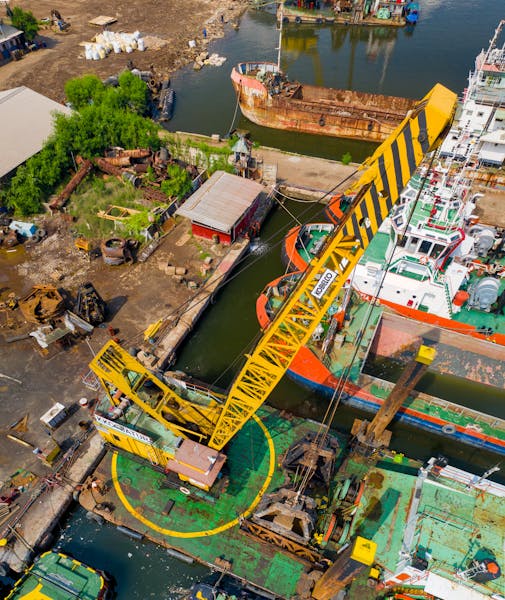
Deck Machinery & Cargo Handling
Rugged deck equipment designed for tropical marine environments and heavy-duty offshore operations across West and Southern African waters.
- Heavy-duty mooring & towing winches
- Offshore deck cranes for oil & gas support
- Davits & launching appliances (SOLAS)
- Anchor handling & towing equipment
- Cargo hatch covers for bulk carriers
- Port gangways & access systems
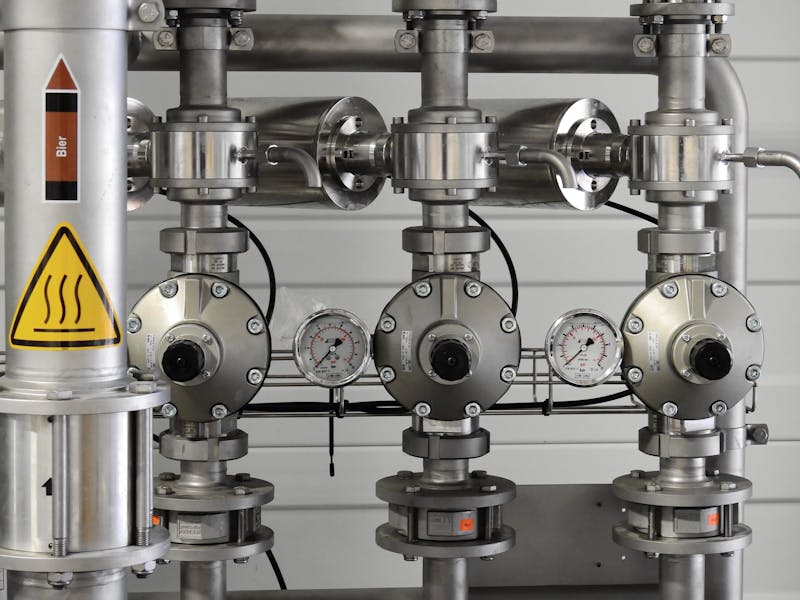
Propulsion & Maneuvering Systems
Propulsion and steering solutions for Africa's growing fleet — from offshore support vessels in Nigeria to coastal cargo ships serving East African ports.
- Steering gear & rudder systems
- Fixed & controllable pitch propellers
- Bow & stern thrusters for OSVs
- CPP & azimuth thruster systems
- Shaft lines & stern tube bearings
- Rudder stocks & accessories
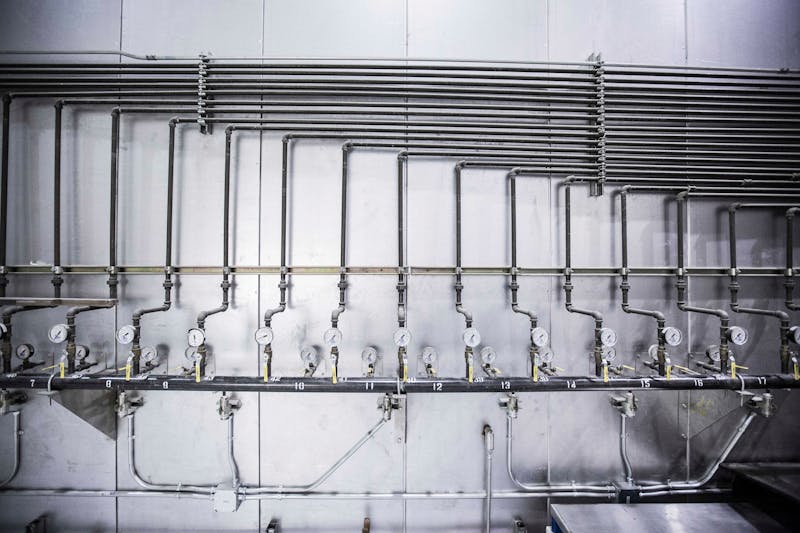
Piping, Valves & Offshore Fluid Systems
Complete piping and fluid management solutions built for offshore oil & gas platforms, FPSOs, and support vessels operating in the Gulf of Guinea and Mozambique Channel.
- High-pressure pipe fittings & flanges
- Marine & offshore valves (API & ASME)
- Centrifugal & submersible pumps
- Filters, strainers & separators
- Tank equipment & level monitoring
- Hydraulic systems for offshore cranes
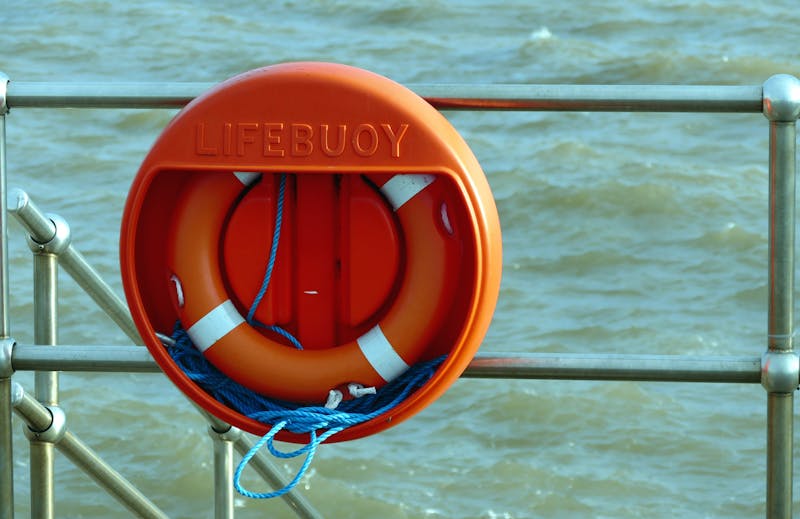
Safety Equipment — LSA & FFE
SOLAS-compliant life-saving appliances and fire-fighting equipment essential for vessels and offshore platforms operating in remote African waters.
- Lifeboats & fast rescue boats
- Inflatable & rigid life rafts
- Fire suppression & extinguishing systems
- SCBA & emergency breathing devices
- Immersion suits & tropical life jackets
- Fire detection & alarm systems
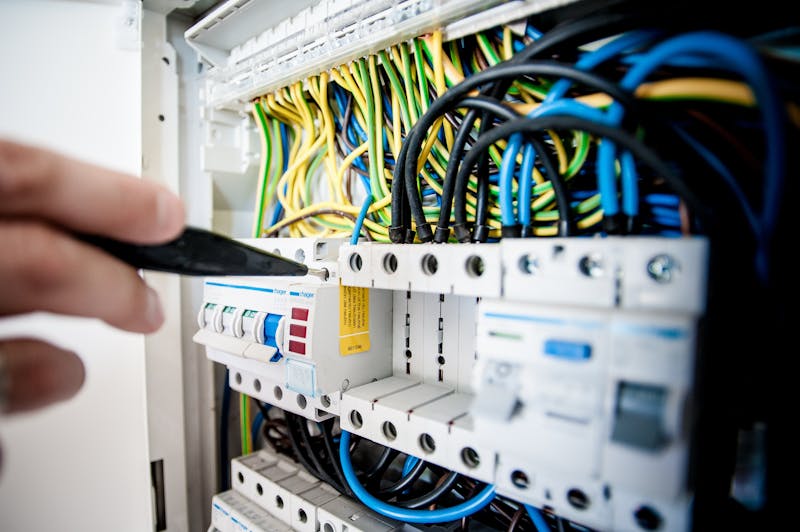
Electrical, Automation & Navigation
Marine electrical and navigation systems supporting port modernization in East Africa and offshore digitalization across the continent.
- Main & emergency switchboards
- Marine generators & alternators
- Tropical-rated marine cables
- ECDIS, radar & AIS systems
- GMDSS communication equipment
- Port automation & control systems

Interior, Outfitting & HVAC
Climate-optimized ship interior solutions designed for tropical and equatorial conditions prevalent across West and East African maritime regions.
- Marine accommodation & furniture
- Galley & catering equipment
- Water treatment & purification
- High-capacity HVAC for tropical climates
- Insulation & corrosion-resistant materials
- Watertight doors, windows & hatches
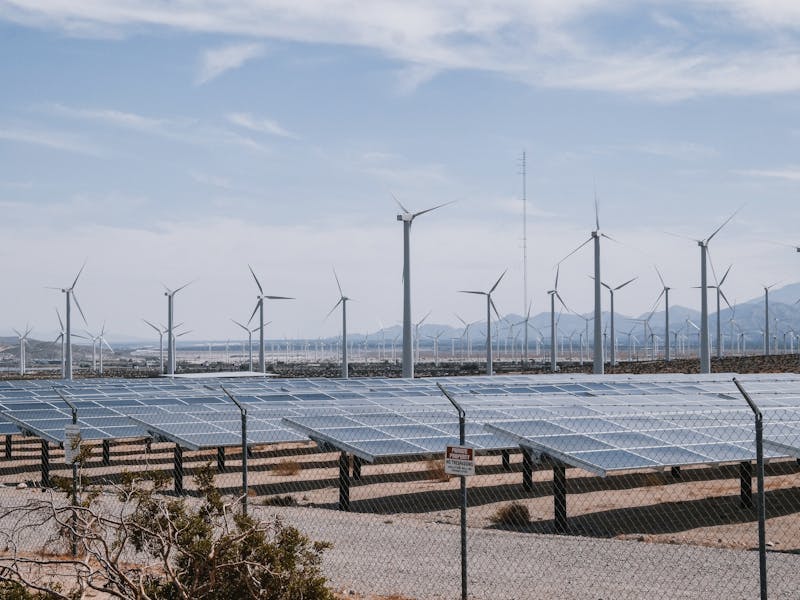
Environmental & Green Technology
Eco-friendly marine systems helping African maritime operators meet international environmental regulations and protect sensitive coastal ecosystems.
- Ballast Water Treatment Systems (BWTS)
- Exhaust gas scrubbers & emission controls
- Oily Water Separators (OWS)
- Waste management & treatment systems
- Oil spill response equipment
- Solar & hybrid power systems for vessels
Additional Export Products for Africa
🎯 Key Advantages for African Markets
Turkish marine equipment manufacturers offer a unique combination of advantages that make them ideal partners for Africa's growing maritime industry. From competitive pricing structures suited to developing markets to strategic shipping routes, sourcing from Turkey delivers measurable value.
Competitive Pricing for Developing Markets
Turkish manufacturers offer 20-40% cost savings compared to Western European suppliers, making quality marine equipment accessible for African maritime operators working within tighter budgets while maintaining international certification standards.
Proximity via Suez Canal & Mediterranean
Turkey's location provides direct access to African ports through the Suez Canal for East Africa, Mediterranean routes for North Africa, and West African routes via the Strait of Gibraltar — transit times as short as 2-3 days to Egypt and 5-7 days to Morocco.
Turkish Government Trade Incentives
Turkey's Africa trade strategy includes government-backed export incentives, Eximbank financing options, and bilateral trade agreements with many African nations, reducing costs and simplifying procurement for African buyers.
Project-Based Supply Capability
From single equipment orders to full project supply for port development, offshore platform outfitting, or newbuild programmes, Turkish manufacturers have the capacity to handle large-scale, multi-phase orders required by African infrastructure projects.
🚚 Logistics & Transit Times to Africa
Seaway manages the complete logistics chain from Turkish manufacturing facilities to African destination ports. Our freight forwarding partners maintain regular services to all major African maritime hubs, with both FCL (full container load) and LCL (less-than-container load) options available. We also coordinate project cargo shipments for oversized and heavy-lift equipment.
| Destination Port | Country / Region | Transit Time from Turkey | Shipping Route |
|---|---|---|---|
| Alexandria / Port Said | Egypt (North Africa) | 2-3 Days | Direct Mediterranean |
| Casablanca / Tanger Med | Morocco (North Africa) | 5-7 Days | Mediterranean via Gibraltar |
| Algiers / Oran | Algeria (North Africa) | 4-6 Days | Direct Mediterranean |
| Lagos / Apapa | Nigeria (West Africa) | 10-12 Days | Mediterranean via Gibraltar, Atlantic Coast |
| Tema / Takoradi | Ghana (West Africa) | 10-12 Days | Mediterranean via Gibraltar, Atlantic Coast |
| Luanda | Angola (West Africa) | 12-14 Days | Atlantic Coast via Gibraltar |
| Djibouti | Djibouti (East Africa) | 5-7 Days | Suez Canal, Red Sea |
| Mombasa | Kenya (East Africa) | 8-10 Days | Suez Canal, Red Sea, Indian Ocean |
| Dar es Salaam | Tanzania (East Africa) | 9-11 Days | Suez Canal, Red Sea, Indian Ocean |
| Maputo | Mozambique (East Africa) | 12-14 Days | Suez Canal, Indian Ocean |
| Durban | South Africa | 14-16 Days | Suez Canal, Indian Ocean Coast |
| Cape Town | South Africa | 14-16 Days | Atlantic Coast via Gibraltar or Suez/Indian Ocean |
Note: Transit times are approximate and depend on shipping line schedules, port congestion, and cargo type. Direct services offer faster transit, while transshipment via hub ports (such as Tanger Med, Damietta, or Salalah) may add 2-5 days. Project cargo and oversized equipment may require specialized vessel bookings with adjusted timelines. Contact our export team for precise scheduling and freight quotations.
🇹🇷 Why African Buyers Choose Turkish Marine Equipment
Turkey has emerged as a preferred sourcing destination for African maritime operators, combining quality manufacturing with pricing that makes sense for the continent's diverse economic landscape. Here is why the Turkey-Africa maritime equipment partnership works:
International Certification
All products certified by major class societies including Lloyd's Register, DNV, Bureau Veritas, and ABS — meeting the same standards as European and Asian competitors.
Tropical Climate Suitability
Turkish manufacturers produce equipment rated for tropical and equatorial conditions — corrosion-resistant materials, high-capacity cooling, and humidity-proof electrical systems.
Flexible Payment Terms
Turkish Eximbank financing and government-supported export credits enable flexible payment arrangements that suit African procurement cycles and project financing structures.
Large Project Capacity
With 80+ shipyards and hundreds of specialized manufacturers, Turkey can handle large-scale port development supply orders and multi-vessel fleet outfitting projects.
Growing Diplomatic Ties
Turkey has opened 43 embassies across Africa and signed numerous trade agreements, creating a supportive framework for maritime equipment exports to the continent.
After-Sales & Training
Turkish manufacturers provide installation support, operator training, and spare parts supply — critical for building local maritime capacity across African markets.
Ready to Source Marine Equipment for the African Market?
Whether you are outfitting an offshore platform in Nigeria, supplying a new port project in Kenya, or equipping shipyards in South Africa, our export team will deliver competitive quotes from certified Turkish manufacturers with full logistics planning to your destination port.