Maritime Intelligence Hub

Shipping news, market analysis and industry insights — curated by our team for maritime professionals worldwide.

221+Articles Published
8News Sources
6hUpdate Frequency
35+Years Maritime Expertise
🌊 All News 📈 Shipping Market ⛽ Bunker & Fuel 🚢 Port Operations 📋 Regulations 🛡️ Safety & Environment 🔧 Shipbuilding & Repair 👨‍✈️ Crew & Manning 📦 Trade & Commodities
Black Sea & Azov Strikes: What Novorossiysk Fires Mean for Your Fleet
🚢 Port Operations 13d ago

Black Sea & Azov Strikes: What Novorossiysk Fires Mean for Your Fleet

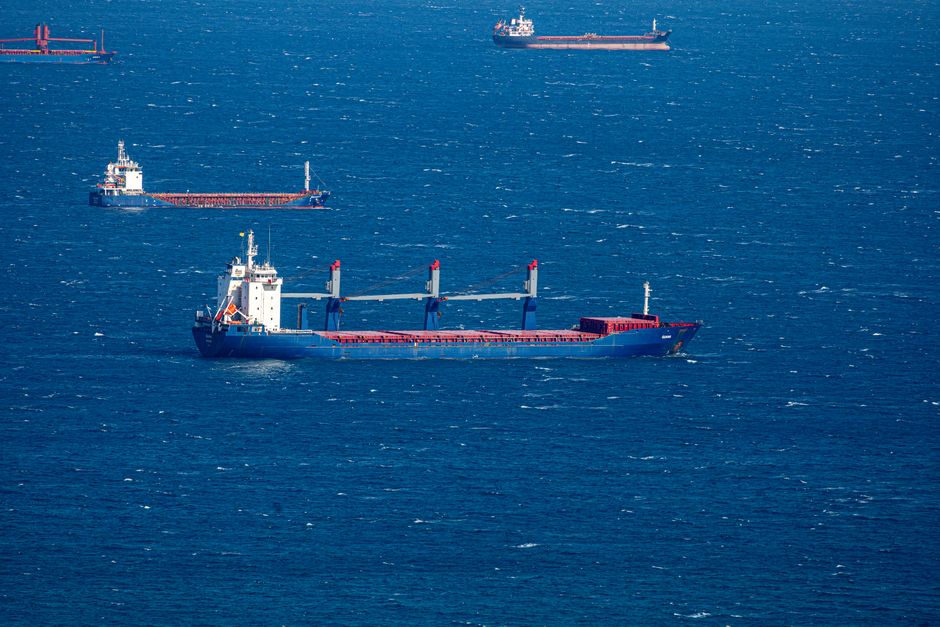
Recent Ukrainian strikes on critical Russian energy infrastructure, including the Novorossiysk Sheskharis oil terminal and the Baltic port of Primorsk, signal a significant escalation targeting Moscow's export capabilities. This coordinated assault directly impacts Black Sea and Azov shipping, raising immediate concerns for vessel safety, operational costs, and supply chain stability for ship operators.

  • Increased risk for vessels in Black Sea and Sea of Azov due to direct strikes on ports and commercial shipping.
  • Potential for bunker fuel price volatility and supply disruptions due to attacks on Russian energy infrastructure.
  • Heightened operational complexity and potential delays for shipping routes impacting Turkish Straits and Mediterranean trade.
COSCO's $2Bn LNG Dual-Fuel Boxship Order: A Game Changer for Global Fleets
📈 Shipping Market 13d ago

COSCO's $2Bn LNG Dual-Fuel Boxship Order: A Game Changer for Global Fleets

COSCO is nearing a $2 billion order for up to 12 LNG dual-fuel 14,000 TEU container ships, underscoring a major industry pivot towards decarbonization and sustainable maritime operations. This move by a state-run giant will set new benchmarks for fleet modernization and fuel strategies across the global shipping landscape.

  • COSCO's $2Bn order for 12 LNG dual-fuel boxships signals major industry shift.
  • Reinforces LNG as a primary decarbonization strategy for large container fleets.
  • Impacts global bunkering infrastructure and demand for specialized vessel services.
Venergy's Suezmax Orders: What They Mean for Crude Tanker Operations & Supply Chains
📈 Shipping Market 13d ago

Venergy's Suezmax Orders: What They Mean for Crude Tanker Operations & Supply Chains

Greek owner Venergy Maritime is expanding significantly into crude tankers with firm orders for two suezmax newbuilds and options for four more at Chinese yards. This strategic move could reshape the crude tanker market, influencing capacity, freight rates, and operational demands for ship operators globally.

  • Venergy's significant suezmax newbuild orders will increase crude tanker capacity.
  • Potential impact on freight rates and market competitiveness for existing fleets.
  • New vessels likely feature advanced tech, setting new operational benchmarks.
Geopolitical Tensions & Tanker Slump: Urgent Navigational Brief for Ship Operators
📈 Shipping Market 13d ago

Geopolitical Tensions & Tanker Slump: Urgent Navigational Brief for Ship Operators

Recent geopolitical escalations involving the US, Israel, and Iran have triggered fresh attacks on Gulf port infrastructure and disputed claims over an MSC vessel, while new data reveals a severe collapse in crude tanker tonne-miles. This volatile environment demands heightened vigilance and strategic re-evaluation for all maritime stakeholders operating in the affected regions.

  • Gulf port infrastructure attacks elevate security risks and operational costs.
  • Disputed MSC vessel claims highlight increased risks of commercial shipping entanglement.
  • Crude tanker tonne-miles collapse signals severe downturn in oil transportation demand.
Hormuz Transit: Iraqi Crude Tanker Navigates Vital Strait, What It Means for Shipping
📦 Trade & Commodities 13d ago

Hormuz Transit: Iraqi Crude Tanker Navigates Vital Strait, What It Means for Shipping

An oil tanker laden with Iraqi crude successfully passed through the Strait of Hormuz, a critical chokepoint for global energy shipments. This event underscores the ongoing geopolitical sensitivities and the continuous need for vigilance for all maritime stakeholders operating in the region.

  • Strait of Hormuz remains critical for global oil trade, requiring constant vigilance.
  • Ship operators must prioritize robust security protocols and voyage planning in the Persian Gulf.
  • Regional stability directly impacts bunker fuel prices and supply chain reliability in Europe and the Middle East.
Khor Fakkan Near Miss: Projectiles Hit Water Near Container Ship
🛡️ Safety & Environment 13d ago

Khor Fakkan Near Miss: Projectiles Hit Water Near Container Ship

A container ship at berth in Khor Fakkan, UAE, reported unknown projectiles impacting the water in close proximity, highlighting persistent security vulnerabilities in key Middle Eastern shipping lanes. This incident underscores the critical need for heightened vigilance and robust risk mitigation strategies for all vessels operating in the region.

  • Unknown projectiles hit water near container ship at berth in Khor Fakkan, UAE.
  • Incident highlights persistent security risks even within port environments.
  • Impacts include increased operational costs, schedule disruptions, and crew welfare concerns.
Hormuz Exemption for Iraqi Ships: Implications for Regional Tanker Operations
📦 Trade & Commodities 13d ago

Hormuz Exemption for Iraqi Ships: Implications for Regional Tanker Operations

Iran's military has declared that Iraqi vessels are exempt from shipping restrictions in the Strait of Hormuz, a critical development for regional oil exports and maritime trade. This decision, while specific to Iraq, offers insights into the geopolitical dynamics influencing one of the world's most vital maritime chokepoints.

  • Iran declares Iraqi ships exempt from Strait of Hormuz restrictions.
  • This exemption highlights complex regional geopolitical dynamics for maritime trade.
  • Operators of Iraqi-linked vessels may see reduced immediate transit risk, but general vigilance remains crucial.
Hormuz Unblock: 15 Ships Through, Geopolitical Pressure Mounts
📈 Shipping Market 13d ago

Hormuz Unblock: 15 Ships Through, Geopolitical Pressure Mounts

Iran has allowed 15 ships to transit the Strait of Hormuz amidst growing international diplomatic pressure, signaling a potential easing of blockades but maintaining high geopolitical tensions. This development offers a brief respite for maritime trade, yet the underlying instability continues to demand vigilance from ship operators.

  • 15 ships transited Strait of Hormuz amidst diplomatic pressure.
  • Geopolitical tensions remain high despite partial unblocking.
  • Operators must prepare for continued risks and potential disruptions.
Azov Sea Drone Attack Sinks Cargo Ship: Critical Insights for Fleet Managers
🛡️ Safety & Environment 13d ago

Azov Sea Drone Attack Sinks Cargo Ship: Critical Insights for Fleet Managers

A cargo vessel carrying wheat sank in the Sea of Azov following a Ukrainian drone attack, resulting in one fatality and two missing crew members. This incident underscores the escalating risks in conflict zones and demands immediate attention from ship operators and fleet managers.

  • Cargo vessel sunk by drone attack in Sea of Azov, resulting in fatality and missing crew.
  • Significant escalation of maritime risk impacting insurance, routing, and crew safety.
  • Direct implications for Black Sea transit, affecting Turkish, Mediterranean, and European shipping.
OPEC+ Warns of Prolonged Oil Supply Hit: What it Means for Your Bunker Costs
⛽ Bunker & Fuel 13d ago

OPEC+ Warns of Prolonged Oil Supply Hit: What it Means for Your Bunker Costs

OPEC+ has warned of a prolonged impact on oil supply due to damage to Middle East energy assets, despite a symbolic production hike. This signals a potential period of sustained volatility and upward pressure on bunker fuel costs for the global shipping industry.

  • OPEC+ warns of prolonged oil supply disruptions from Middle East asset damage.
  • Expect sustained upward pressure and volatility on bunker fuel prices globally.
  • Turkish, Mediterranean, and Middle East shipping routes face amplified impact.
Hormuz Reopening? First Japanese LNG Carrier Transits Amid Regional Tensions
📦 Trade & Commodities 16d ago

Hormuz Reopening? First Japanese LNG Carrier Transits Amid Regional Tensions

A Japan-affiliated LNG carrier has successfully navigated the Strait of Hormuz, marking the first such passage since recent regional conflicts effectively closed the waterway to Japanese vessels. This transit signals a potential easing of tensions and a critical step towards normalizing vital energy shipping lanes.

  • First Japanese LNG carrier transits Hormuz since conflict, signaling potential de-escalation.
  • Reduces rerouting necessity and may lower war risk insurance premiums for operators.
  • Impacts global energy supply chains and vessel traffic through Mediterranean/European routes.
ZenaTech AUV Prototype: Game Changer for Underwater Inspections & Efficiency?
🔧 Shipbuilding & Repair 16d ago

ZenaTech AUV Prototype: Game Changer for Underwater Inspections & Efficiency?

ZenaTech, a Canadian tech firm, has unveiled an AUV prototype, signaling a new entrant into the underwater robotics market. This development holds significant implications for ship operators seeking enhanced efficiency and safety in subsea operations and hull inspections.

  • New AUVs promise more efficient, safer underwater inspections.
  • Potential for reduced dry-docking, optimized fuel efficiency, and extended asset life.
  • Enhanced data for predictive maintenance and improved fleet reliability.