The Digital Wave: AI and Automation in Modern Shipping
The maritime industry is undergoing its most significant transformation since the transition from sail to steam. As we navigate through 2026, Artificial Intelligence (AI) and advanced automation are no longer futuristic concepts; they are operational imperatives. For ship owners, fleet managers, and technical superintendents, understanding these technologies is essential for maintaining a competitive edge in a landscape governed by increasingly stringent IMO regulations and evolving MARPOL environmental standards.
From Istanbul to Singapore, the global supply chain is being rewired. AI-driven systems are now capable of optimizing everything from fuel consumption to complex engine room diagnostics. This shift isn't just about replacing manual labor; it's about enhancing safety, ensuring SOLAS compliance, and achieving unprecedented levels of operational efficiency during drydock intervals and routine voyages.
Autonomous Navigation and Smart Bridge Systems
One of the most visible applications of AI in shipping is the development of autonomous and semi-autonomous vessels. While fully crewless 'ghost ships' are still largely in the testing phase for short-sea shipping, 'Smart Bridge' technology is already assisting masters and officers in making safer decisions.
AI-Powered Collision Avoidance
Modern AI systems integrate data from radar, LiDAR, AIS, and high-definition thermal cameras to provide a 360-degree situational awareness that far exceeds human capability. These systems can predict the movement of nearby vessels and calculate evasive maneuvers in congested waters, significantly reducing the risk of human error—which remains the leading cause of maritime accidents. These technologies are designed to work within the existing framework of Class Society approvals, ensuring that safety remains the top priority.
Weather Routing and Fuel Optimization
AI algorithms now analyze decades of historical weather data alongside real-time satellite feeds to suggest the most fuel-efficient routes. By adjusting speed and heading based on sea states and currents, vessels can reduce their bunker consumption by 5% to 15%. This not only lowers operational costs but also helps companies meet their MARPOL Annex VI carbon intensity (CII) targets, avoiding penalties from port state control during inspections.
Predictive Maintenance and Remote Monitoring
For technical managers and chief engineers, the transition from reactive to predictive maintenance is a game-changer. Automation in the engine room is no longer just about alarm systems; it is about foresight. By using IoT sensors to monitor vibration, temperature, and pressure in real-time, AI can identify a failing bearing or a fuel injector issue weeks before it leads to a breakdown.
Digital Twins and Virtual Engine Rooms
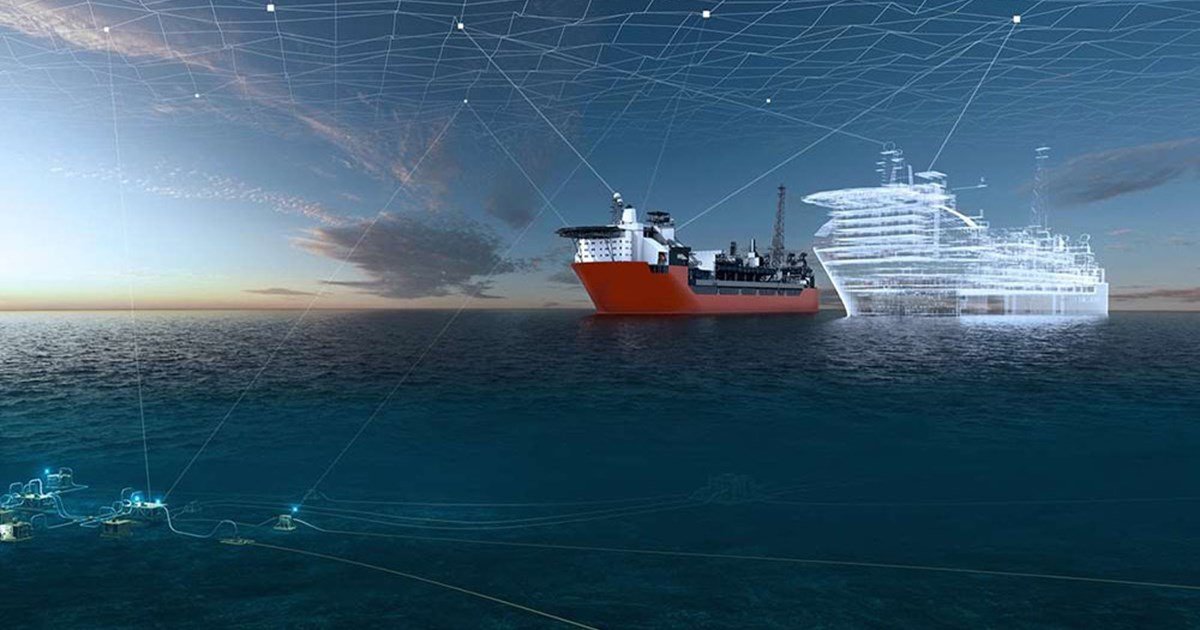
A 'Digital Twin' is a virtual replica of a physical vessel. By feeding real-time data into these models, Class Societies and shore-based technical teams can assess the structural integrity and machinery health of a ship without being physically on board. This allows for more targeted drydock planning, ensuring that long-lead items like specialized radio & navigation equipment or engine components are ordered and ready before the ship even arrives at the yard.
Enhanced Underwater Inspections
Automation has also reached the hull. Autonomous Underwater Vehicles (AUVs) and Remotely Operated Vehicles (ROVs) are now used for hull cleaning and inspections. This reduces the need for commercial divers in high-risk environments and provides high-resolution data that helps in calculating hull fouling—a major contributor to increased fuel consumption and emissions.
Automated Port Operations and Logistics Integration
The bridge between the sea and land is also becoming smarter. Automated terminals are becoming the standard in major hubs. AI-driven port management systems coordinate the arrival of vessels with the availability of berths, provisions, and stores, minimizing idle time at anchor.
For a ship supply leader like Seaway Ship Services, these technologies allow for better synchronization. When a vessel's AI identifies a need for specific fire fighting equipment or maritime calibration & testing, that data can be shared with shore-side agents instantly. This ensures that when the vessel reaches the port of Istanbul or any global destination, the necessary supplies and technicians are ready to go, preventing costly delays.
Cybersecurity: The Hidden Side of Automation
As ships become more connected, the threat of cyber-attacks grows. The IMO has recognized this by requiring cyber risk management to be integrated into safety management systems. Modern automation platforms now include robust AI-driven cybersecurity layers that monitor network traffic for anomalies, protecting critical systems from GPS spoofing or ransomware that could jeopardize the safety of the crew & seafarers.
Key Takeaways for Maritime Professionals
- AI Integration: AI is primarily a decision-support tool, enhancing the capabilities of the master and crew rather than replacing them.
- Cost Efficiency: Automated weather routing and predictive maintenance directly impact the bottom line by reducing bunker costs and preventing unplanned downtime.
- Regulatory Compliance: Digital tools are essential for accurate reporting to flag states and meeting IMO 2030/2050 decarbonization goals.
- Safety First: Automation reduces human fatigue and errors, aligning with SOLAS standards and improving port state control outcomes.
- Supply Chain Synergy: Data sharing between ships and suppliers ensures that stores and provisions are delivered with precision timing.
Partnering for the Future of Shipping
The maritime industry is moving fast, and staying ahead requires a partner who understands both the traditional rigors of the sea and the latest technological advancements. Whether you are managing a fleet of tankers or a single bulk carrier, ensuring your vessel is equipped with the right tools—from advanced ropes & mooring solutions to high-tech maritime calibration & testing—is vital. At Seaway Ship Services, we have been supporting the global fleet since 1989, providing expert ship repair, underwater services, and worldwide export capabilities. To learn how our expertise can support your fleet's modernization and supply needs, contact Seaway Ship Services today and let us help you navigate the future of maritime excellence.