Vale's Ethanol Mega-Bulkers: A Decarbonization Game Changer?
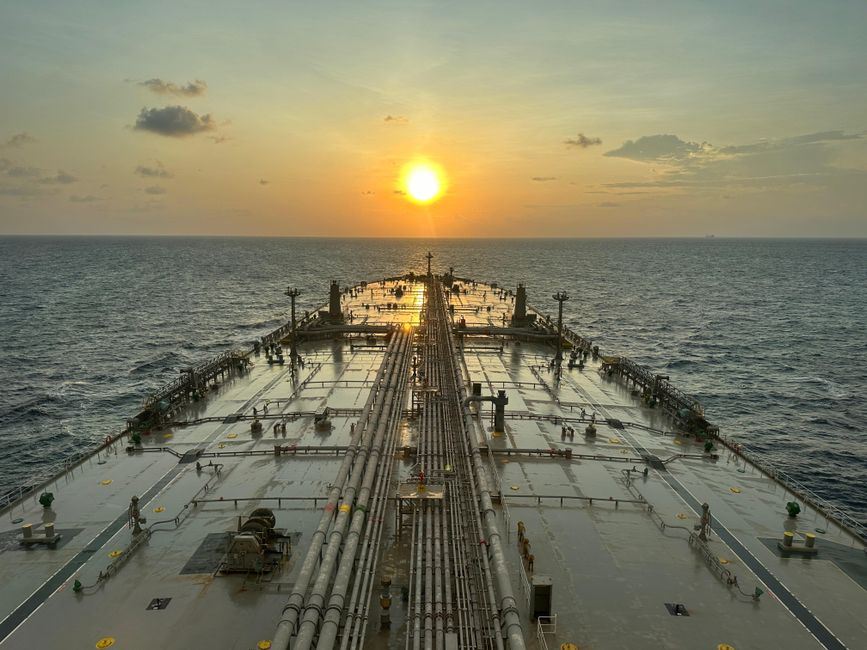 Photo: Punit Singh / Pexels
Brazilian mining giant Vale is deploying the world's first ethanol-powered mega bulk carriers, marking a significant step in maritime decarbonization efforts. This move could redefine future fuel strategies and operational considerations for global shipping fleets.
⚡ Key Takeaways
- Vale's ethanol bulkers validate ethanol as a viable marine fuel.
- Operators must diversify fuel strategies beyond traditional options.
- Regional ports and shipyards face new infrastructure and service demands.
- Proactive planning for multi-fuel operations is critical for compliance and efficiency.
Vale's announcement to deploy ethanol-powered mega bulk carriers represents a pivotal moment in the maritime industry's pursuit of decarbonization. As a major commodity shipper, Vale's commitment to ethanol as a primary marine fuel, with potential for significant greenhouse gas emission reductions, signals a credible pathway for alternative fuels beyond LNG, ammonia, or methanol. This development is not merely a pilot project; it's a strategic investment by a key player, demonstrating confidence in ethanol's viability for large-scale shipping operations.
For ship operators, owners, and managers, this news underscores the urgent need to diversify their fuel strategy considerations. While LNG has gained traction, ethanol introduces another mature, liquid biofuel option that leverages existing infrastructure to some extent, particularly for bunkering and storage. Operators must now evaluate the long-term economic and operational implications of ethanol, including its availability at key bunkering hubs, storage requirements, engine modifications, and safety protocols. The potential for 'slash greenhouse gas emissions' directly addresses increasingly stringent environmental regulations and stakeholder pressures for greener shipping. Early adopters or those planning newbuilds and retrofits will gain a competitive edge in meeting future IMO targets and customer demands for sustainable logistics.
While Vale's initial focus may be on its Brazil-Asia iron ore routes, the broader implications for Turkish, Mediterranean, European, and Middle Eastern shipping are substantial. As alternative fuels gain traction, bunkering infrastructure will inevitably expand globally. Ports in these regions, serving as critical maritime crossroads, will need to assess their capabilities for storing and supplying ethanol. Shipyards and repair facilities, including those Seaway Ship Services works with, will see increased demand for engine conversions, tank modifications, and specialized maintenance for ethanol-fueled vessels. This creates both challenges and opportunities for the regional maritime ecosystem to adapt and offer new services.
The practical takeaways are clear: marine professionals must engage with evolving fuel technologies. Fleet managers should begin scenario planning for multi-fuel operations, assessing the lifecycle costs and emission profiles of various alternative fuels. Procurement officers need to monitor ethanol's market availability and pricing trends. Port captains should anticipate new bunkering requirements and safety considerations. The industry is moving rapidly towards a diversified fuel future, and proactive engagement with these changes will be crucial for maintaining operational efficiency and compliance.
Original article: gCaptain · Analysis by Seaway Ship Services Editorial
Need Maritime Supplies or Services?
Seaway Ship Services — 35 years serving vessels in Turkey, UK, Europe & the Middle East. 24/7 operations.
Get a Quote →