US Blockade on Iranian Shipping: What Operators Need to Know Now
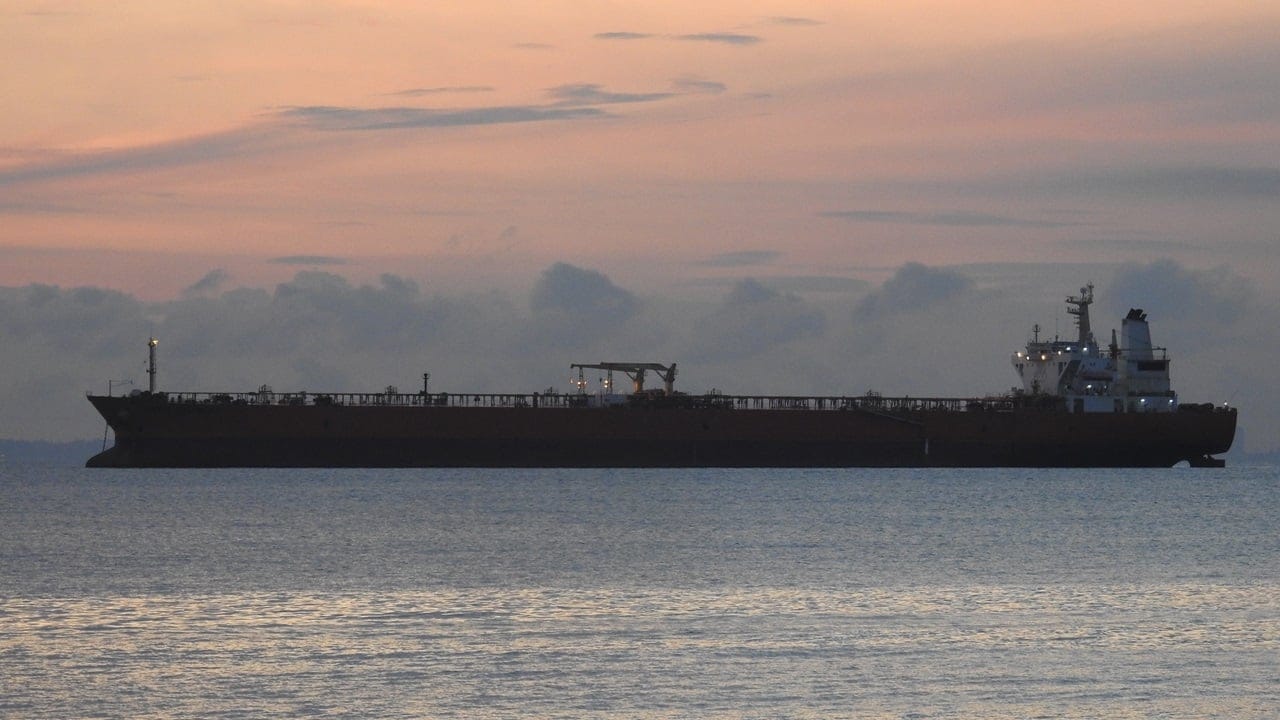 Photo: Seatrade Maritime / Pexels
The US has initiated a maritime blockade against Iranian vessels following Iran's failure to fully open the Strait of Hormuz, escalating geopolitical tensions in a critical shipping artery. This move carries significant implications for global trade, particularly for ship operators navigating the Middle East and surrounding regions.
⚡ Key Takeaways
- US blockade targets Iranian vessels following Strait of Hormuz non-compliance.
- Operators face increased risk of interdiction, detention, and penalties.
- Significant impact on shipping routes for Turkey, Europe, and the Middle East.
- Urgent need for enhanced compliance, due diligence, and risk assessment.
The latest development from Seatrade Maritime reports a US-imposed blockade targeting Iranian ships, stemming from Iran's non-compliance with a ceasefire agreement regarding the opening of the Strait of Hormuz. This is not merely a regional skirmish but a critical escalation with far-reaching consequences for international maritime trade. The Strait of Hormuz is a chokepoint through which approximately 20% of the world's petroleum and a significant volume of LNG pass daily. Any disruption or increased scrutiny in this area directly impacts global energy markets and supply chains.
For ship operators, owners, and fleet managers, the immediate concerns are multifaceted. Vessels with any direct or indirect connection to Iranian interests, or those transiting areas perceived as supporting Iranian maritime trade, face heightened risk of interdiction, detention, or severe penalties. This necessitates rigorous due diligence on charter parties, cargo origins/destinations, and vessel ownership structures. Insurance coverage may also be affected, with underwriters likely to reassess risk profiles for voyages in the Persian Gulf and adjacent waters. Furthermore, the operational costs associated with potential rerouting, increased security measures, and extended transit times will undoubtedly rise, impacting profitability and schedule reliability.
This situation holds particular relevance for shipping routes connecting to Turkey, the Mediterranean, Europe, and the broader Middle East. Vessels serving these regions frequently transit or operate in proximity to the Persian Gulf. Any perceived association with sanctioned entities could lead to significant delays at European ports, where compliance checks are stringent. Turkish ports, serving as crucial hubs between East and West, may experience increased pressure regarding cargo screening and vessel vetting. The potential for secondary sanctions against entities facilitating Iranian maritime trade further complicates compliance for all stakeholders operating in these interconnected regions.
Practical takeaways for marine procurement officers and port captains include an urgent review of all current and planned voyages. Enhance compliance protocols, conduct thorough Know Your Customer (KYC) checks on all business partners, and ensure legal counsel is engaged to navigate the evolving regulatory landscape. Diversify supply chain routes where feasible to mitigate reliance on potentially high-risk areas. Finally, maintain open communication with flag states, classification societies, and P&I clubs to stay abreast of advisories and ensure continued compliance and coverage.
Original article: Seatrade Maritime · Analysis by Seaway Ship Services Editorial
Need Maritime Supplies or Services?
Seaway Ship Services — 35 years serving vessels in Turkey, UK, Europe & the Middle East. 24/7 operations.
Get a Quote →