Qatar LNG Disruption: Long Recovery Ahead, Impacting Global Shipping Routes
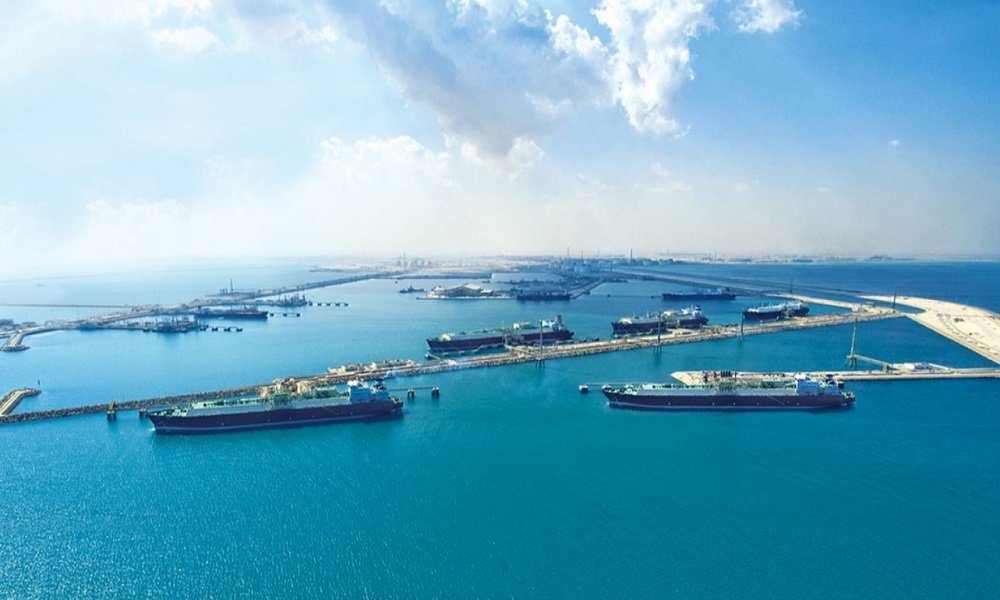 Photo: Splash247 / Pexels
Qatar's LNG export machine has experienced its most severe disruption in over two decades, with a full return to pre-war levels potentially taking years. This prolonged recovery will significantly impact global energy markets and the shipping industry, particularly LNG tanker operations.
⚡ Key Takeaways
- Qatar LNG exports face unprecedented multi-year recovery, impacting global energy markets.
- Ship operators must anticipate shifts in LNG tanker deployment and charter rates.
- Increased market volatility could influence bunker prices and availability on key routes.
- Turkish, Mediterranean, and European shipping will see altered traffic patterns due to sourcing shifts.
The recent disruption to Qatar's LNG exports, described as the most severe in over two decades, presents a significant challenge for the global energy market and, consequently, the maritime shipping industry. While a partial recovery of flows might occur within months, the sobering assessment from analysts like Nikolas Zannikos at AXSMarine suggests a full return to pre-disruption levels could take years. This prolonged period of reduced supply from a major LNG producer like Qatar, which holds the world's third-largest gas reserves and is a top exporter, inevitably creates ripple effects across supply chains.
For ship operators, owners, and managers involved in gas transportation, particularly LNG carriers, this disruption translates into immediate operational and strategic concerns. Reduced Qatari exports could lead to shifts in vessel deployment, potentially impacting charter rates and vessel utilization as traditional trade lanes are altered. Operators might face increased pressure to secure alternative loading ports or adapt to longer voyage times if supplies are sourced from more distant regions. Furthermore, the overall tightening of the LNG market could influence bunker prices and availability along key shipping routes, as energy market volatility often correlates with marine fuel costs.
This situation holds particular relevance for shipping routes in the Turkish, Mediterranean, European, and Middle East regions. Qatar is a crucial supplier of LNG to Europe, and any sustained reduction will necessitate alternative sourcing, potentially increasing traffic from the U.S. or other African producers. This shift could alter vessel traffic patterns through strategic choke points like the Suez Canal and the Turkish Straits, impacting port calls and demand for services in these regions. Turkish ports, in particular, could see changes in transshipment and bunkering demand as vessels adjust their routes and schedules.
Practical takeaways for marine procurement officers and fleet managers include the need for enhanced voyage planning flexibility and robust fuel procurement strategies. Monitoring global LNG supply and demand dynamics will be critical for anticipating bunker price fluctuations. Operators should also review their charter party agreements for clauses related to force majeure or unforeseen disruptions, and maintain close communication with charterers to adapt to evolving market conditions. Proactive engagement with service providers, like Seaway Ship Services, for timely bunkering, provisions, and technical support across the Mediterranean and Middle East will be vital in navigating these uncertain times.
Original article: Splash247 · Analysis by Seaway Ship Services Editorial
Need Maritime Supplies or Services?
Seaway Ship Services — 35 years serving vessels in Turkey, UK, Europe & the Middle East. 24/7 operations.
Get a Quote →