Petrobras Rig Extensions Boost Constellation: What it Means for Global Shipping
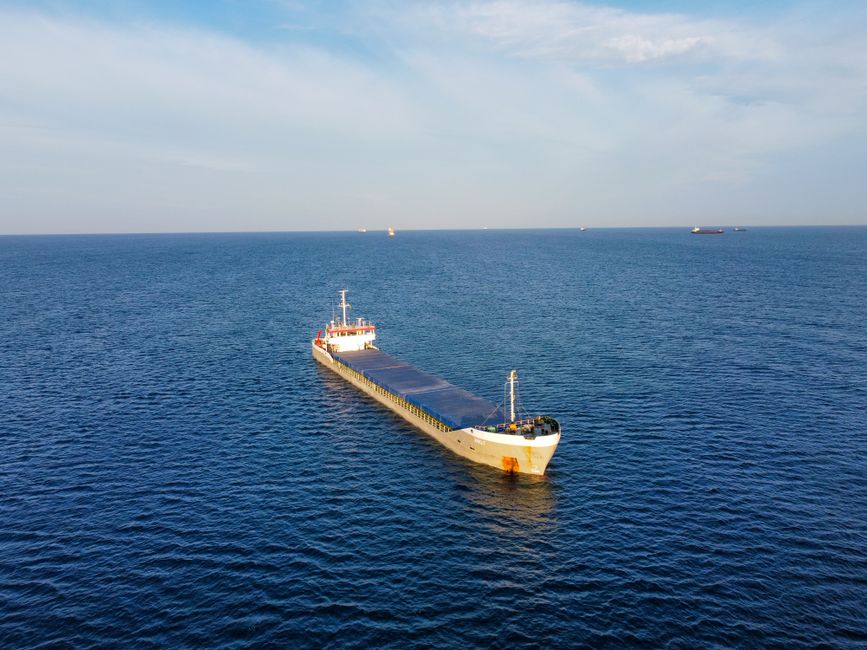 Photo: Lio Voo / Pexels
Brazilian drilling contractor Constellation Oil Services has significantly expanded its contract backlog by securing extensions for three rigs with Petrobras, adding $1.1 billion. This substantial increase in offshore activity signals sustained demand in the energy sector, impacting various facets of the maritime industry.
⚡ Key Takeaways
- Constellation's $1.1B Petrobras extensions signal robust offshore activity in Brazil.
- Expect increased demand for offshore support vessels (PSVs, AHTS) in the Brazilian basin.
- Global energy market stability is reinforced, indirectly benefiting overall shipping trade.
- Potential for tighter vessel availability and crew competition in specialized offshore sectors.
The recent announcement of Constellation Oil Services securing $1.1 billion in additional backlog through extensions with Petrobras is a significant development within the offshore energy sector. This move underscores Petrobras's commitment to long-term deepwater exploration and production in Brazil, a critical region for global oil and gas supply. For ship operators, fleet managers, and marine procurement officers, this isn't just a story about drilling rigs; it's a bellwether for increased activity across the marine support vessel spectrum, from PSVs and AHTS vessels to specialized subsea support and crew transfer vessels.
The immediate impact on ship operators and owners is a likely surge in demand for offshore support services in the Brazilian basin. This sustained activity translates into more charter opportunities, potentially firming up day rates and improving utilization for vessels capable of operating in deepwater environments. While the primary effect is regional, the ripple effect can be global. Increased demand for specialized vessels in one major basin can draw assets from other regions, influencing vessel availability and pricing in the broader market, including the Mediterranean and European waters. Ship managers should monitor these shifts closely, as a tightening market for offshore support vessels could impact operational planning and procurement strategies, even for non-offshore related shipping.
While the direct impact on Turkish, Mediterranean, or Middle Eastern shipping routes might seem indirect, the energy market is interconnected. Sustained oil and gas production in Brazil contributes to global energy stability, influencing crude oil tanker demand and pricing, which are fundamental to the global shipping economy. Furthermore, any significant offshore projects often require specialized equipment or components that might be manufactured or transshipped through European or Asian ports, potentially increasing demand for heavy-lift and project cargo shipping. For Seaway Ship Services, understanding these macro trends is crucial. While our direct services in Turkey, UK, Europe, and the Middle East cater to a diverse fleet, a robust global energy sector underpins much of the maritime trade we support. Increased oil and gas production translates to more global trade, more vessel movements, and ultimately, greater demand for ship supply, repair, and agency services across key maritime hubs.
Practical takeaways for marine professionals include preparing for sustained activity in key offshore basins, potentially leading to increased competition for skilled crew and specialized vessel availability. Fleet managers should assess their capabilities for potential deployment in growing offshore markets or consider partnerships to capitalize on this demand. Procurement officers should anticipate potential inflationary pressures on offshore-related supplies and services. This news reinforces the need for agility and strategic planning in a dynamic maritime landscape.
Original article: Offshore Energy · Analysis by Seaway Ship Services Editorial
Need Maritime Supplies or Services?
Seaway Ship Services — 35 years serving vessels in Turkey, UK, Europe & the Middle East. 24/7 operations.
Get a Quote →