Michigan Unveils Maritime Strategy: Implications for Global Shipping
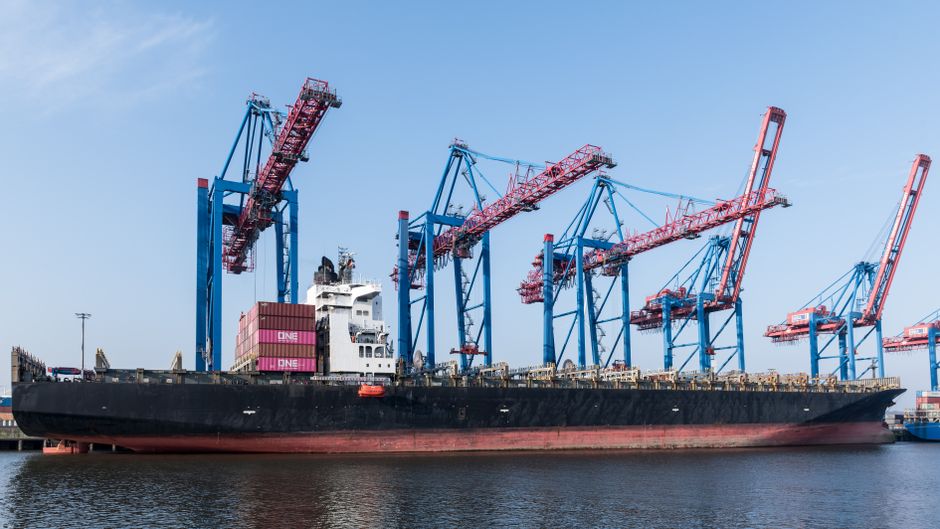 Photo: Wolfgang Weiser / Pexels
Michigan has finalized its 'first-of-its-kind' maritime strategy, signaling a renewed focus on its port infrastructure and shipping capabilities. While geographically distant, this development could offer insights into future regionalized maritime policies that may influence global supply chains and vessel operations.
⚡ Key Takeaways
- Michigan's strategy signals investment in Great Lakes maritime infrastructure and shipping.
- Regional maritime policies can indirectly influence global supply chains and operational demands.
- Operators should monitor such strategies for insights into future port developments and environmental mandates.
- Anticipate potential shifts in cargo flows and vessel requirements driven by regional enhancements.
The announcement from Bunkerspot regarding Michigan's finalized 'first-of-its-kind' Maritime Strategy, despite the lack of direct content access, signifies a critical development in North American inland and Great Lakes shipping. Such a strategy typically outlines long-term goals for port development, infrastructure investment, environmental regulations, and potentially, fleet modernization. For ship operators, fleet managers, and marine procurement officers, this matters significantly as it indicates a strategic commitment to enhancing maritime capabilities within a specific region, which can lead to increased cargo volumes, new trade routes, and evolving operational demands.
The direct impact on ship operators and owners navigating international routes, particularly those serviced by Seaway Ship Services in Turkey, the UK, Europe, and the Middle East, might seem limited at first glance due to geographical distance. However, it's crucial to recognize the interconnectedness of global supply chains. Enhancements in one region, even the Great Lakes, can influence cargo flow, logistics networks, and the demand for specific vessel types globally. For instance, if Michigan's strategy includes investments in port efficiency or green shipping initiatives, it could set precedents or create demand for similar standards in other regions, eventually affecting vessel design, fuel choices, and maintenance requirements worldwide. Operators involved in trans-Atlantic shipping or those with diversified fleets might find new opportunities or challenges in adapting to such regional maritime advancements.
While not directly impacting Mediterranean, European, or Middle Eastern shipping routes immediately, the strategy's focus on areas like port resilience, environmental stewardship, or workforce development could be mirrored in future policies in our operating regions. As an Istanbul-based service provider, Seaway Ship Services constantly monitors global maritime trends. Understanding these regional strategies helps us anticipate future needs for vessel repairs, supplies, and services, ensuring we are prepared for evolving industry standards and operational demands from our clients. For instance, if Michigan prioritizes alternative fuels, it highlights a global trend that will inevitably reach our operating areas, informing our clients' long-term planning.
Practical takeaways include the need for operators to stay informed about regional maritime strategies, even those seemingly distant, as they can be indicators of broader industry shifts. Furthermore, such strategies often highlight infrastructure projects that could create new bottlenecks or open new trade corridors. Operators should assess how these developments might indirectly affect their current and future routes, cargo types, and compliance requirements. Proactive engagement with these trends allows for better strategic planning, fleet optimization, and ensuring vessels meet future operational and environmental standards.
Original article: Bunkerspot · Analysis by Seaway Ship Services Editorial
Need Maritime Supplies or Services?
Seaway Ship Services — 35 years serving vessels in Turkey, UK, Europe & the Middle East. 24/7 operations.
Get a Quote →