Hormuz Volatility: Tanker U-Turns Signal Renewed Geopolitical Risk for Shipping
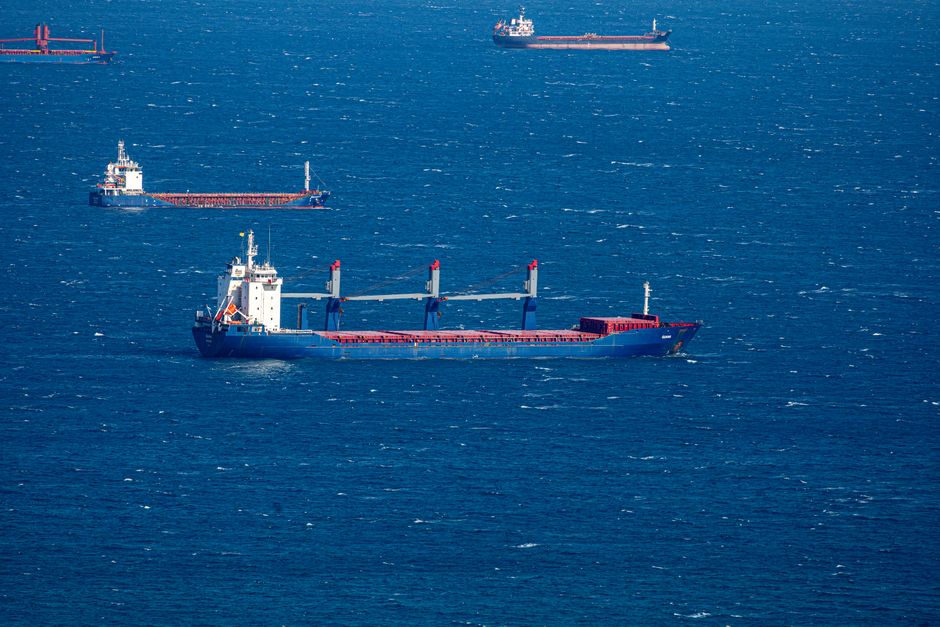 Photo: Regan Dsouza / Pexels
Empty crude tankers made U-turns in the Strait of Hormuz after US-Iran talks collapsed, signaling a significant escalation of geopolitical tensions in a critical maritime choke point. This event directly impacts voyage planning and risk assessment for all vessels transiting or sourcing from the Persian Gulf.
⚡ Key Takeaways
- Geopolitical tensions directly impacted vessel transits in Hormuz.
- Operators face increased insurance costs and security risks.
- Turkish and Mediterranean shipping routes may see altered traffic.
- Contingency planning and updated threat intelligence are crucial.
The recent incident where two empty crude tankers reversed course in the Strait of Hormuz on Sunday, April 12, 2026, following the breakdown of US-Iran talks, is a stark reminder of the persistent geopolitical fragility impacting global shipping. This immediate operational response by vessels highlights the acute sensitivity of maritime activities to political developments in the region. The Strait of Hormuz, a vital artery for approximately one-fifth of the world's oil supply, remains a flashpoint where political rhetoric can translate directly into tangible operational disruptions and increased security risks for merchant vessels.
For ship operators, owners, and managers, this development necessitates an immediate reassessment of risk profiles for all voyages through the Persian Gulf and its approaches. The direct impact includes potential for increased insurance premiums, particularly for war risk coverage, and the imperative for enhanced security protocols onboard. Diversionary routes, while costly and time-consuming, may become a necessary consideration for certain vessel types or cargoes, particularly those perceived as high-value or high-risk. Furthermore, the uncertainty surrounding future talks and potential escalations could lead to volatile bunker prices and extended delivery times, affecting overall voyage economics and supply chain reliability.
Given Seaway Ship Services' extensive operations in Turkey, the Mediterranean, Europe, and the Middle East, the implications for regional shipping routes are significant. Vessels transiting the Suez Canal, Bosphorus, and Dardanelles, or those engaged in trade with Gulf Cooperation Council (GCC) countries, will feel the ripple effects. Turkish ports, serving as crucial hubs, could experience shifts in traffic patterns or increased demand for services as operators adapt to new risk landscapes. The stability of energy supplies to Europe, largely dependent on Middle Eastern oil, is also directly threatened, potentially impacting freight rates and commodity markets.
Practical takeaways for marine procurement officers and port captains include prioritizing up-to-date threat intelligence, reviewing and updating contingency plans for diversions or delays, and strengthening communication channels with flag states, charterers, and security providers. Proactive engagement with experienced service providers like Seaway Ship Services, who understand regional complexities, becomes even more critical for efficient provisioning, repairs, and support in an evolving risk environment.
Original article: gCaptain · Analysis by Seaway Ship Services Editorial
Need Maritime Supplies or Services?
Seaway Ship Services — 35 years serving vessels in Turkey, UK, Europe & the Middle East. 24/7 operations.
Get a Quote →