Hormuz Transit Update: Iran Assures Safe Passage for Philippines-Flagged Vessels
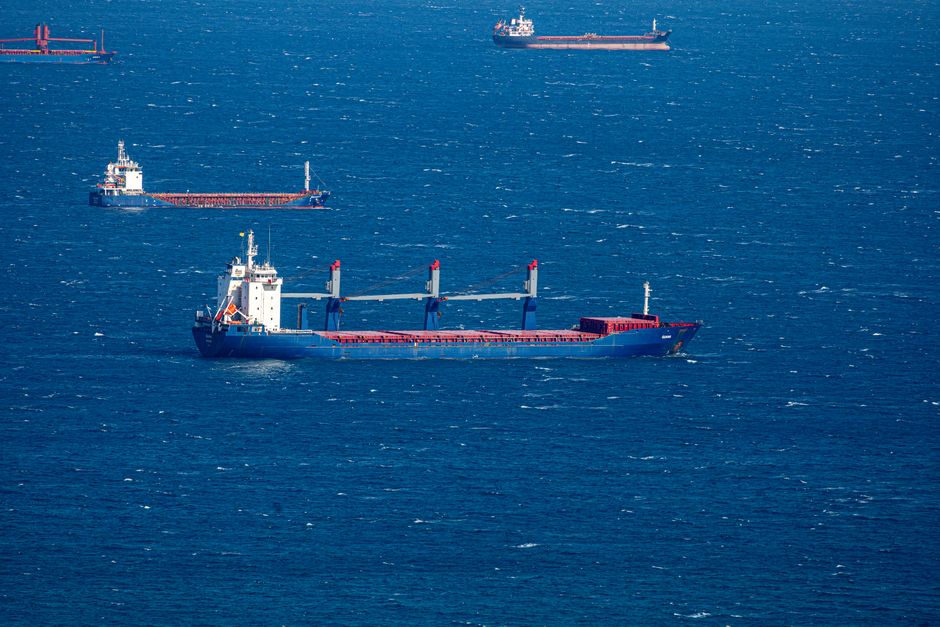 Photo: Regan Dsouza / Pexels
Iran has publicly assured unhindered passage through the Strait of Hormuz for Philippines-flagged vessels and seafarers, a significant development for maritime operations in this critical chokepoint. This announcement aims to de-escalate recent tensions and provides clarity for ship operators managing transits in the Persian Gulf region.
⚡ Key Takeaways
- Iran guarantees unhindered passage for Philippines ships/seafarers through Strait of Hormuz.
- Reduces immediate transit risks and operational uncertainty for affected vessels.
- Highlights ongoing geopolitical sensitivity in a critical global chokepoint.
- Operators must maintain vigilance, robust contingency plans, and adhere to security protocols.
The announcement by Philippines Foreign Affairs Secretary Lazaro, confirming Iran's commitment to allow unhindered passage for Philippines ships and seafarers through the Strait of Hormuz, is a critical development for the global maritime industry. This statement directly addresses recent concerns regarding freedom of navigation in one of the world's most vital oil transit chokepoints, particularly following incidents involving vessel seizures and heightened regional tensions. The Strait of Hormuz is indispensable for international trade, with approximately 20% of the world's petroleum and a significant portion of its liquefied natural gas transiting through it daily. Any perceived threat to its navigability immediately impacts global energy prices, insurance premiums, and supply chain reliability.
For ship operators, owners, and fleet managers, this assurance from Iran offers a degree of stability and predictability for vessels operating under the Philippines flag or with Filipino crew. It potentially mitigates some of the elevated risk premiums and operational complexities that have characterized transits through the Strait in recent times. While this specific assurance targets Philippines interests, it indirectly contributes to broader regional de-escalation efforts, which is beneficial for all maritime stakeholders. However, it also highlights the continued geopolitical sensitivities surrounding the Strait, underscoring the need for ongoing vigilance and adherence to international maritime law.
From Seaway Ship Services' perspective, serving vessels across Turkey, the UK, Europe, and the Middle East, developments in the Strait of Hormuz have direct implications for shipping routes connecting to the Mediterranean, Red Sea, and onward to European ports. Disruptions or even perceived threats in Hormuz can lead to rerouting, extended voyage times, increased bunker consumption, and heightened demand for services in alternative ports or repair hubs. While this specific news offers positive relief for a segment of the fleet, the broader context of regional security remains paramount for planning and operational resilience across our service areas.
Practical takeaways for marine procurement officers and port captains include monitoring geopolitical advisories closely, ensuring robust crew welfare provisions, and maintaining updated contingency plans for Strait of Hormuz transits. While this news is positive, it should not lead to complacency; rather, it reinforces the need for dynamic risk assessment and proactive communication with flag states and maritime security agencies. Operators should continue to assess their vessel's specific risk profile, consider P&I club recommendations, and ensure all international navigation and security protocols are strictly followed.
Original article: Seatrade Maritime · Analysis by Seaway Ship Services Editorial
Need Maritime Supplies or Services?
Seaway Ship Services — 35 years serving vessels in Turkey, UK, Europe & the Middle East. 24/7 operations.
Get a Quote →