Hormuz Tensions Escalate: Iran Seizes Vessels Amidst US Standoff
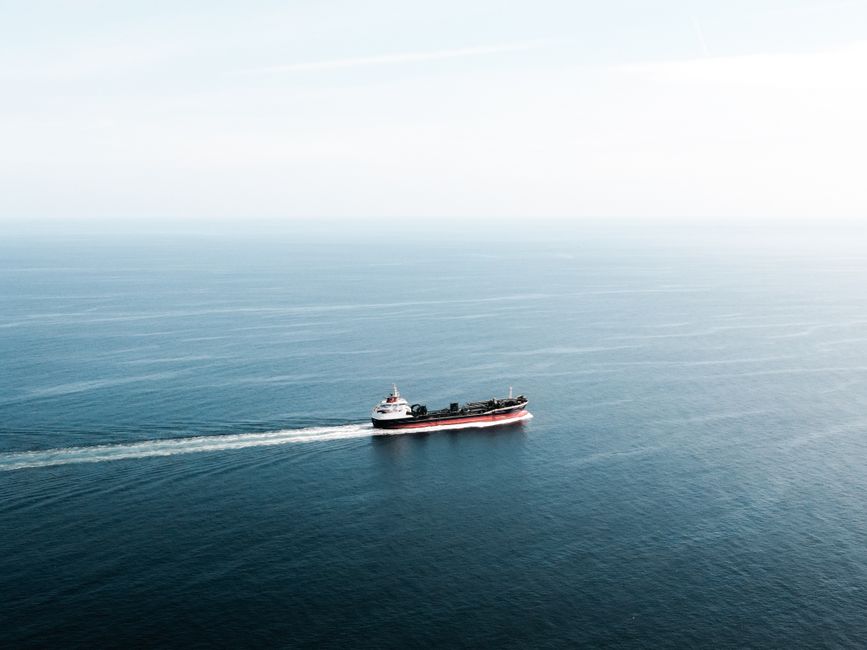 Photo: Lewis Ashton / Pexels
Iran recently seized two vessels in the Strait of Hormuz following the indefinite cessation of US attacks, significantly escalating geopolitical tensions in this critical maritime chokepoint. This development directly impacts global shipping operations, demanding immediate attention from vessel owners and operators.
⚡ Key Takeaways
- Iran's seizure of vessels in Hormuz signals increased regional instability.
- Ship operators face heightened security risks, insurance costs, and potential delays.
- Direct impact on Middle East, Mediterranean, and European shipping routes.
- Mandatory re-evaluation of voyage risks and enhanced security protocols.
- Close monitoring of maritime advisories and contingency planning are crucial.
The recent seizure of two commercial vessels by Iran in the Strait of Hormuz marks a critical escalation in an already volatile region, occurring immediately after the US President's decision to halt military action indefinitely. This action by Iran demonstrates a clear intent to assert control over the strategic waterway, regardless of broader diplomatic efforts or their absence. For ship operators, owners, and managers, this incident is not merely a geopolitical headline; it's a direct threat to operational continuity, crew safety, and cargo security.
The immediate impact on ship operators includes heightened security risks, increased insurance premiums (especially war risk insurance), and the potential for significant delays or diversions. The Strait of Hormuz is a vital conduit for a substantial portion of the world's seaborne oil and gas, and any disruption here has ripple effects across global energy markets and supply chains. Vessels transiting this area, or even those considering routes that bring them near, must now reassess their risk profiles and implement enhanced security protocols.
For shipping routes relevant to Seaway Ship Services' operational areas – Turkey, the Mediterranean, Europe, and the Middle East – the implications are particularly acute. Many vessels calling at Turkish, European, or Middle Eastern ports frequently transit the Persian Gulf via Hormuz. Increased tensions translate directly into longer lead times, higher costs, and the imperative for robust contingency planning. Diversion around the Arabian Peninsula, while an option, adds considerable time and fuel expenses, impacting profitability and delivery schedules. Furthermore, the uncertainty surrounding future actions by Iran makes long-term planning exceedingly difficult.
Practical takeaways for marine professionals include: (1) Re-evaluating voyage risk assessments for all vessels intending to transit or operate near the Strait of Hormuz. (2) Reviewing and updating ship security plans (SSPs) and crew training for potential hostile encounters. (3) Engaging with P&I clubs and insurers to understand the latest war risk premium adjustments and coverage implications. (4) Closely monitoring advisories from maritime security organizations and naval forces. (5) Considering alternative bunkering and supply strategies to mitigate reliance on potentially disrupted routes. Seaway Ship Services stands ready to support vessels operating in the wider region with essential supplies, repairs, and services, offering vital support amidst these evolving challenges.
Original article: gCaptain · Analysis by Seaway Ship Services Editorial
Need Maritime Supplies or Services?
Seaway Ship Services — 35 years serving vessels in Turkey, UK, Europe & the Middle East. 24/7 operations.
Get a Quote →