Hormuz Strait Disruptions Widen: Feeder Vessels Stranded, Supply Chain Risks Mount
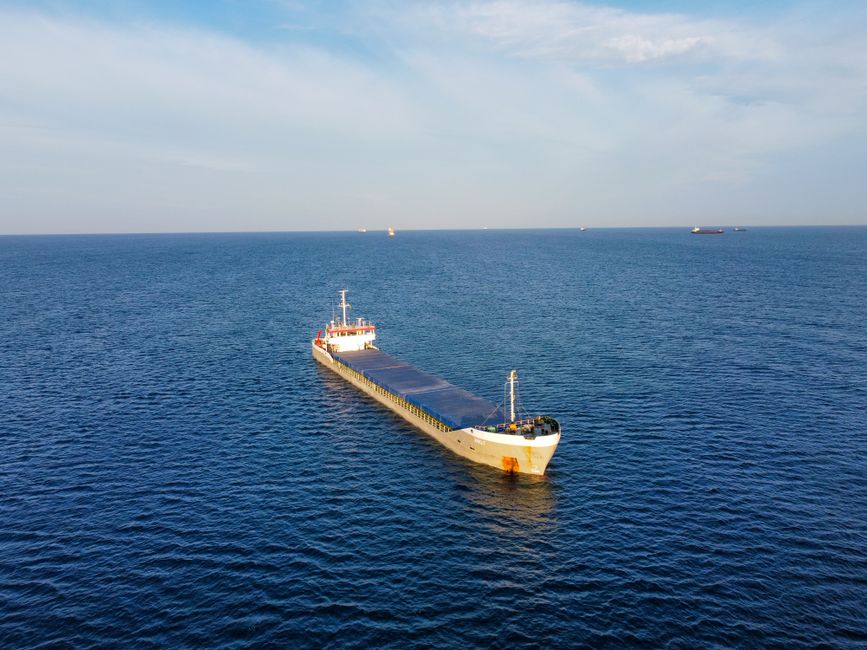 Photo: Lio Voo / Pexels
The US/Israel-Iran conflict has led to X-Press Feeder vessels being stranded in the Strait of Hormuz, escalating the scope of maritime disruption beyond mega-container ships. This development signals broadening operational challenges and increased supply chain fragility for ship operators globally.
⚡ Key Takeaways
- Hormuz disruptions now include feeder vessels, broadening supply chain risk.
- Operators face increased delays, costs, and complex voyage planning.
- Direct impact on Middle East, Mediterranean, and European trade routes.
- Heightened need for contingency planning, security, and flexible port services.
The recent report from The Loadstar, detailing the stranding of X-Press Feeder vessels in the Strait of Hormuz, marks a significant escalation in the ongoing maritime security crisis stemming from the US/Israel-Iran conflict. Previously, the focus was largely on mega-container ships, but the involvement of feeder operators like X-Press, with a fleet exceeding 100 ships, demonstrates the widening impact on the intricate fabric of global shipping. This shift indicates that even vessels critical for regional distribution and hub-and-spoke networks are now directly exposed to geopolitical tensions, moving beyond the perceived 'mainline' routes.
For ship operators, fleet managers, port captains, and marine procurement officers, this development translates into immediate and tangible concerns. The disruption of feeder services directly impacts the fluidity of cargo movement, leading to potential port congestion at transhipment hubs, extended transit times, and increased demurrage costs. Furthermore, the uncertainty surrounding vessel movements in such a critical chokepoint necessitates dynamic voyage planning, potential re-routing, and heightened security protocols, all of which incur additional operational expenses and administrative burdens. The ripple effect on vessel scheduling and crew welfare cannot be understated.
From Seaway Ship Services' perspective, serving vessels across Turkey, the UK, Europe, and the Middle East, the relevance is profound. The Strait of Hormuz is a vital artery for trade connecting the Middle East with Asia, Europe, and beyond. Disruptions here inevitably impact cargo destined for or originating from ports in the Red Sea, Arabian Gulf, and subsequently, the Mediterranean and European markets. Turkish ports, acting as crucial gateways, could experience altered feeder patterns or increased demand for alternative logistics solutions if the situation persists. The need for agile port services, repair capabilities for potentially delayed or rerouted vessels, and efficient provisioning becomes even more critical in such a volatile environment.
Practical takeaways include the imperative for enhanced situational awareness, robust contingency planning, and proactive communication with all stakeholders. Operators must re-evaluate risk assessments for voyages through the Strait, explore alternative feeder arrangements where feasible, and prepare for potential delays in port calls. Ensuring vessels are optimally provisioned and maintained to handle unforeseen itinerary changes is paramount. This situation underscores the value of reliable, responsive service providers like Seaway Ship Services, capable of adapting to complex operational demands across key maritime regions.
Original article: The Loadstar · Analysis by Seaway Ship Services Editorial
Need Maritime Supplies or Services?
Seaway Ship Services — 35 years serving vessels in Turkey, UK, Europe & the Middle East. 24/7 operations.
Get a Quote →