Hormuz Open But US Naval Blockade: Navigating Volatility for Ship Operators
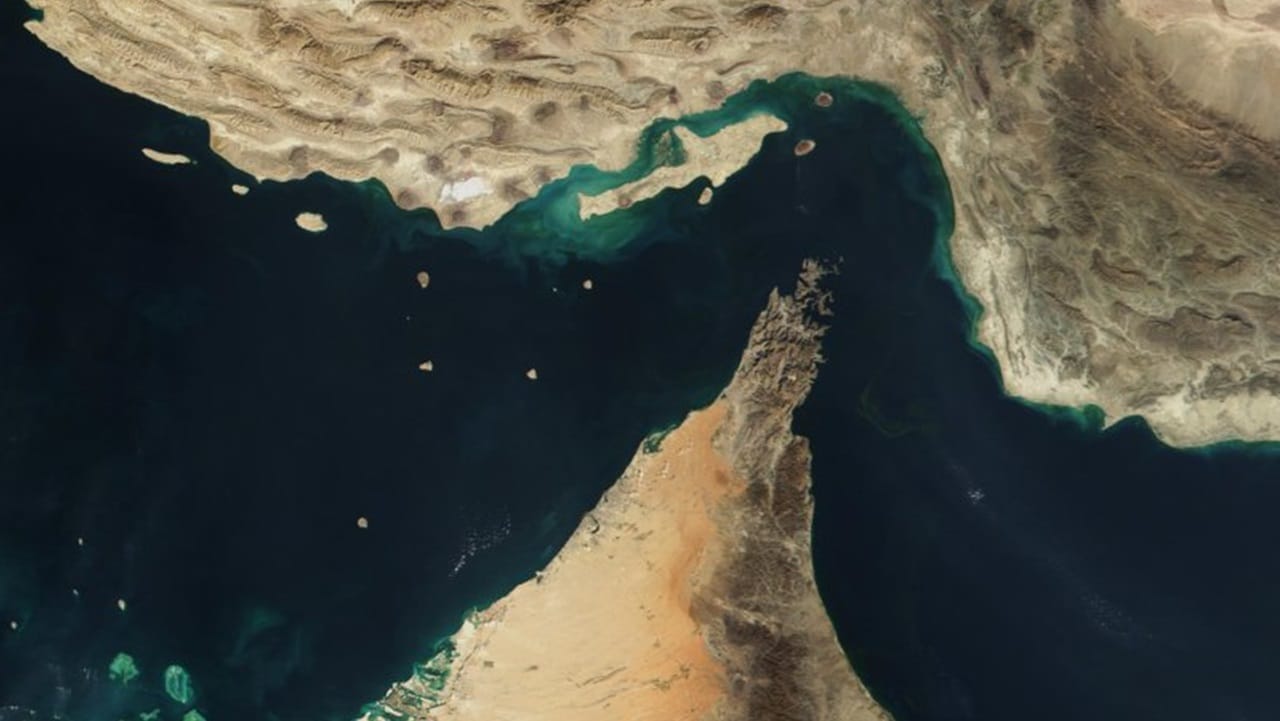 Photo: Seatrade Maritime / Pexels
Both Iran and the US have publicly stated the Strait of Hormuz is fully open, despite an ongoing US Naval blockade, creating a nuanced and potentially volatile situation for maritime operations. This dual messaging necessitates careful consideration for ship operators navigating this critical chokepoint.
⚡ Key Takeaways
- Strait of Hormuz declared open by Iran and US, but US Naval blockade persists.
- Dual messaging creates complexity for risk assessment and route planning.
- Potential for increased scrutiny, delays, and elevated insurance premiums.
- Direct impact on Turkish, Mediterranean, European, and Middle Eastern shipping schedules and supply chains.
- Prioritize real-time intelligence, robust security protocols, and contingency planning.
The recent statements from both Iran's Foreign Minister Araghchi and US President Trump, confirming the Strait of Hormuz is 'completely open,' offer a superficial sense of normalcy to global shipping. However, the critical caveat — the continued presence of a US Naval blockade — introduces a layer of complexity and potential volatility that ship operators, fleet managers, and marine procurement officers must meticulously analyze. This situation underscores the enduring geopolitical sensitivities surrounding the Strait, a passage through which approximately one-fifth of the world's total oil consumption and a significant portion of global LNG trade flows.
For ship operators, owners, and managers, this dual messaging presents a challenge in risk assessment and route planning. While the 'open' declaration might ease immediate fears of outright closure or military confrontation, the 'blockade' component implies continued scrutiny, potential delays, and increased security concerns. Vessels transiting the Strait may still face enhanced monitoring, possible inspections, or altered naval presence, impacting transit times and operational costs. Insurance premiums, particularly for war risk, may remain elevated or even see further adjustments based on evolving perceptions of risk and regional stability. Furthermore, the ambiguity could lead to misinterpretations or escalations, underscoring the need for robust contingency plans and real-time intelligence.
Given Seaway Ship Services' strategic locations, this development has direct relevance to Turkish, Mediterranean, European, and Middle Eastern shipping routes. Vessels originating from or destined for the Persian Gulf, carrying oil, gas, or other commodities, must transit Hormuz. Any disruption, perceived or real, in this chokepoint immediately reverberates across these interconnected supply chains. Delays in the Strait can impact vessel schedules for subsequent port calls in the Mediterranean or Europe, affecting just-in-time deliveries and incurring demurrage. Turkish ports, serving as vital transshipment hubs, would experience downstream effects from any alterations to vessel flows or commodity availability. Our clients operating in these regions need to be acutely aware of the potential for ripple effects on their schedules, bunker planning, and spare parts procurement.
Practical takeaways for maritime professionals include prioritizing up-to-date maritime intelligence and security advisories. Engage with P&I clubs and insurance providers to understand policy implications. Maintain open communication with charterers regarding potential delays or route adjustments. Ensure robust vessel security protocols are in place, and crew are fully briefed on regional sensitivities. Lastly, leverage reliable service providers like Seaway Ship Services, who can offer agile support and solutions to mitigate operational disruptions in a dynamically evolving geopolitical landscape.
Original article: Seatrade Maritime · Analysis by Seaway Ship Services Editorial
Need Maritime Supplies or Services?
Seaway Ship Services — 35 years serving vessels in Turkey, UK, Europe & the Middle East. 24/7 operations.
Get a Quote →