Hormuz Mine Clearance: US Military Action & Impact on Ship Operations
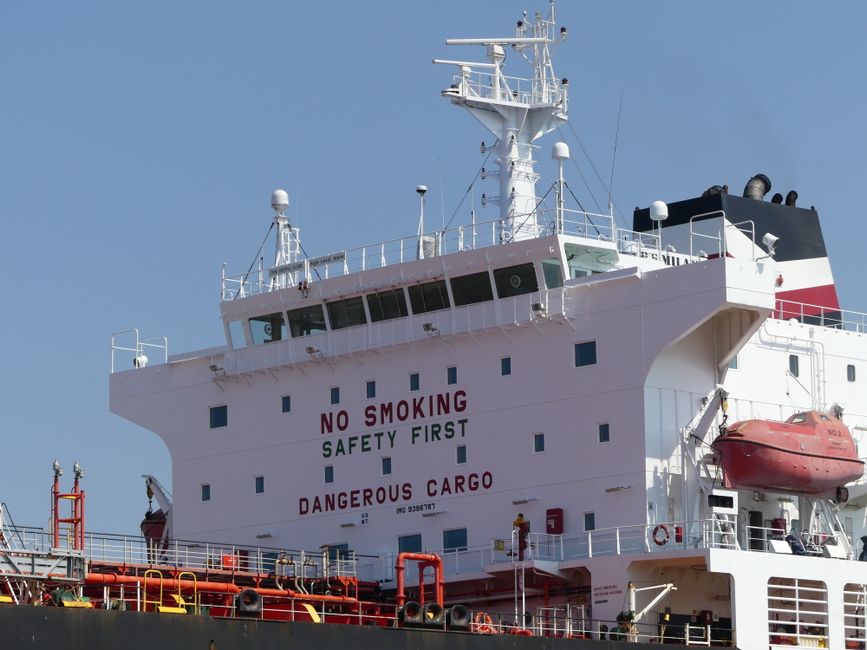 Photo: Solvita Vita / Pexels
The U.S. military has initiated 'setting conditions' for mine clearance in the Strait of Hormuz, a critical global choke point for oil and gas transit. This development signals heightened attention to navigational safety and potential security risks in the region.
⚡ Key Takeaways
- US military initiating mine clearance in Strait of Hormuz.
- Potential for increased security protocols and transit delays.
- Review vessel security plans and crew briefings.
- Monitor official maritime advisories and insurance implications.
The U.S. military’s announcement regarding mine clearance operations in the Strait of Hormuz is a significant development for the global maritime industry. While the article is brief, the 'setting conditions' phrase implies preparatory actions are underway, suggesting a proactive measure to address potential threats to navigation in this vital waterway. The Strait of Hormuz, linking the Persian Gulf to the open ocean, is the world's most important oil transit choke point, with approximately 21% of global petroleum liquids consumption and a significant portion of LNG transiting through it. Any perceived or actual threat to safe passage directly impacts global energy markets and supply chains.
For ship operators, fleet managers, port captains, and marine procurement officers, this news necessitates heightened situational awareness and proactive risk management. Potential impacts include increased security protocols, possible transit delays due to naval operations or precautionary measures, and upward pressure on insurance premiums, particularly war risk insurance. While direct confrontation is not explicitly stated, the presence of military assets and mine clearance activities inherently raises the risk profile of the region. Operators should review their vessel security plans, ensure crews are briefed on updated security procedures, and stay informed of advisories from naval forces and maritime security organizations.
Given Seaway Ship Services' operational footprint, the relevance to Turkish, Mediterranean, European, and Middle East shipping routes is substantial. Any disruption or perceived instability in the Strait of Hormuz has ripple effects across the entire global shipping network. Vessels transiting to or from the Persian Gulf, heading towards the Suez Canal, the Red Sea, and subsequently the Mediterranean and European ports, will be directly affected. Supply chains for crude oil, refined products, and LNG destined for Europe and other markets rely heavily on this passage. Operators supporting these trades must factor in potential operational adjustments and cost implications.
Practical takeaways include: closely monitoring official maritime advisories and security updates from recognized authorities; reviewing and updating vessel security assessments and contingency plans; communicating proactively with charterers and insurers regarding potential risks and mitigation strategies; and ensuring crews are well-trained in security awareness and emergency procedures. While the immediate threat level may not be critical, preparedness is paramount to maintaining safe and efficient operations in an increasingly complex geopolitical landscape.
Original article: gCaptain · Analysis by Seaway Ship Services Editorial
Need Maritime Supplies or Services?
Seaway Ship Services — 35 years serving vessels in Turkey, UK, Europe & the Middle East. 24/7 operations.
Get a Quote →