Hormuz Emptiness: Strategic Implications for Global Shipping & Your Fleet
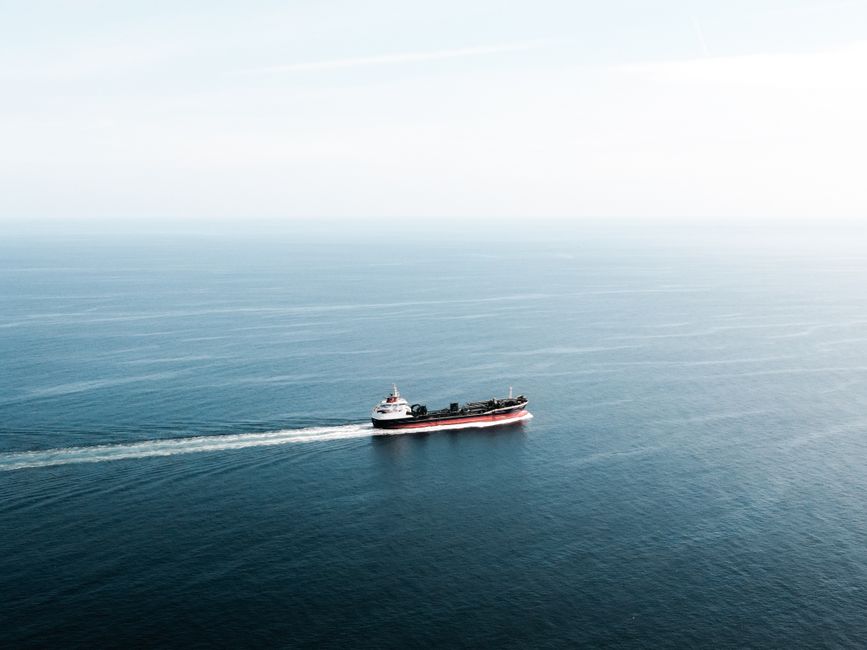 Photo: Lewis Ashton / Pexels
The Strait of Hormuz is experiencing unprecedented low merchant vessel traffic, with only a few Iran-linked ships navigating the critical waterway. This sustained emptiness signals significant geopolitical tensions and ongoing disruptions to global maritime trade routes.
⚡ Key Takeaways
- Strait of Hormuz remains near-empty of merchant traffic, signaling high geopolitical risk.
- Ship operators face increased insurance costs, operational risks, and potential diversions.
- Impacts global energy and commodity flows, affecting Mediterranean and European supply chains.
- Requires enhanced contingency planning, alternative routing, and diversified port services.
The gCaptain report highlighting the near-empty status of the Strait of Hormuz, save for a few Iran-linked vessels, is a critical indicator for the global maritime industry. This situation, persisting as of late April 2026, underscores the profound impact of geopolitical instability on vital shipping chokepoints. The 'why' behind this emptiness is multi-faceted, stemming from heightened security concerns, potential re-routing by risk-averse operators, and possibly, a broader slowdown in specific trade flows impacted by regional dynamics. For ship operators, owners, and managers, this scenario translates directly into increased operational risk, elevated insurance premiums, and potential delays or outright diversions of cargo. The cost implications are substantial, ranging from higher fuel consumption due to longer routes to increased crew risk allowances and the need for enhanced security protocols.
For fleets operating within or transiting through the wider Mediterranean, European, and Middle Eastern regions, the Hormuz situation has direct and indirect consequences. While Turkey’s direct access to the Black Sea and Mediterranean offers alternative routes for some trade, a significant portion of global energy and commodity flows destined for or originating from Europe and the Middle East traditionally transits Hormuz. Diversions around the Arabian Peninsula or through alternative, often longer, routes will inevitably impact vessel scheduling, port call efficiencies, and overall supply chain predictability for cargo destined for Turkish ports or onward distribution across Europe. This extended transit time and potential congestion in alternative chokepoints like the Suez Canal (if increased traffic shifts there) could create ripple effects across the entire maritime network.
Practical takeaways for marine procurement officers and port captains include a renewed focus on contingency planning and supply chain diversification. Operators must evaluate their exposure to the Persian Gulf, assess alternative bunkering and provisioning strategies, and ensure robust communication protocols are in place for real-time risk assessment. Engaging with experienced ship service providers like Seaway Ship Services, with our extensive network across Turkey, the UK, Europe, and the Middle East, becomes crucial. We can support vessels with essential supplies and repairs in safer, alternative ports, helping mitigate the disruptions caused by an unstable Hormuz. Proactive scenario planning, understanding the ripple effects on port operations, and maintaining flexibility in vessel deployment are paramount in navigating this challenging maritime landscape.
Original article: gCaptain · Analysis by Seaway Ship Services Editorial
Need Maritime Supplies or Services?
Seaway Ship Services — 35 years serving vessels in Turkey, UK, Europe & the Middle East. 24/7 operations.
Get a Quote →