Hormuz Diplomatic Push: Implications for Global Shipping & Your Fleet Operations
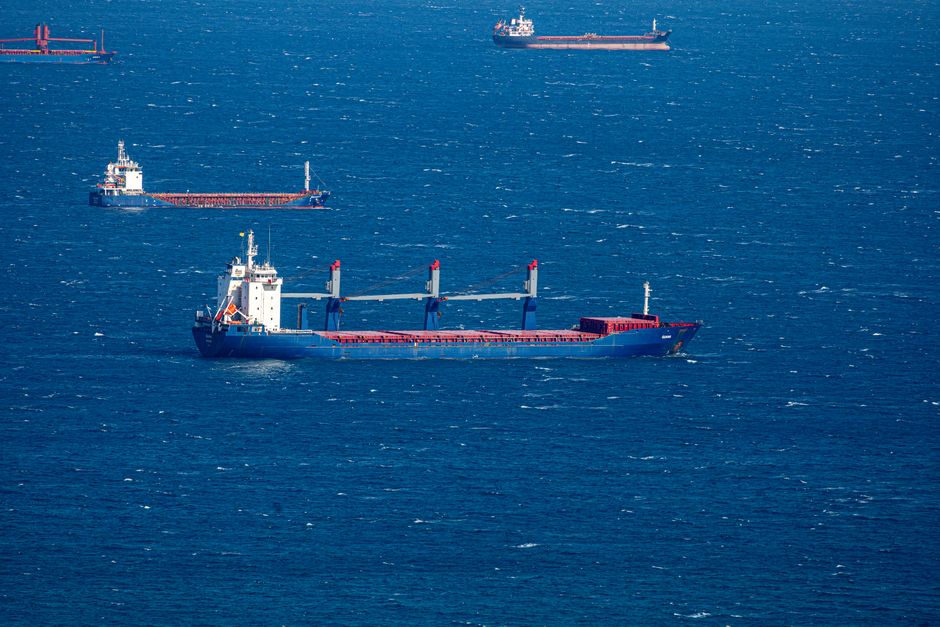 Photo: Regan Dsouza / Pexels
35 nations are convening to explore diplomatic solutions for reopening the Strait of Hormuz, a critical maritime choke point, without US involvement. This high-stakes meeting signals a concerted international effort to de-escalate tensions and restore stability to a vital global trade artery.
⚡ Key Takeaways
- 35 nations to meet on Hormuz reopening without US involvement, signaling new diplomatic approach.
- Strait of Hormuz vital for global oil/LNG; deadlock impacts energy prices, insurance, and trade.
- Ship operators face increased war risk premiums, potential rerouting, and supply chain disruptions.
- Turkish, Mediterranean, and European shipping routes are indirectly affected by energy flow instability.
The impending meeting of 35 nations to address the Strait of Hormuz deadlock, notably without US participation, marks a significant shift in diplomatic strategy concerning this critical waterway. The UK Prime Minister's acknowledgment that 'this will not be easy' underscores the complexity and sensitivity of the situation. The Strait of Hormuz is paramount to global energy markets, with approximately one-fifth of the world's total oil consumption and a quarter of global LNG passing through it daily. Any prolonged closure or heightened security risk in this region has immediate and severe repercussions for crude oil and LNG prices, insurance premiums, and ultimately, global trade stability.
For ship operators, fleet managers, and marine procurement officers, the implications are profound. Continued uncertainty or escalation in Hormuz translates directly to increased operational costs. War risk insurance premiums have already seen significant spikes, and any further instability will exacerbate this trend. Rerouting vessels around the Arabian Peninsula, while an option, adds considerable transit time and fuel consumption, impacting delivery schedules and profitability. Furthermore, the potential for supply chain disruptions, particularly for energy commodities destined for Europe and Asia, could lead to volatile pricing and contractual challenges. The ongoing situation demands meticulous route planning, continuous risk assessment, and proactive engagement with insurers and charterers.
From Seaway Ship Services' perspective, serving vessels across Turkey, the UK, Europe, and the Middle East, the developments in Hormuz have direct relevance. Turkish ports, serving as key transshipment hubs for goods moving between the Black Sea, Mediterranean, and beyond, are indirectly affected by disruptions to global energy flows and trade routes. European and Mediterranean shipping routes, particularly those reliant on Middle Eastern energy supplies, face potential price volatility and logistical hurdles. As a vital service provider in the region, we understand the critical need for operational resilience. Shipowners and operators navigating these complexities must prioritize vessel readiness, efficient bunkering strategies, and reliable repair and maintenance services to mitigate the impact of extended voyages or unforeseen port calls.
Practical takeaways include: closely monitoring geopolitical developments, reviewing and updating contingency plans for alternative routing, assessing insurance coverage for war risks, engaging proactive communication with charterers regarding potential delays or surcharges, and ensuring vessels are in optimal operational condition to handle potentially longer transit times or diversions. Proactive preparation and robust operational support are crucial in navigating this evolving landscape.
Original article: Seatrade Maritime · Analysis by Seaway Ship Services Editorial
Need Maritime Supplies or Services?
Seaway Ship Services — 35 years serving vessels in Turkey, UK, Europe & the Middle East. 24/7 operations.
Get a Quote →