Hormuz Crisis: Unprecedented Seafarer Plight & Operational Risks for Ship Managers
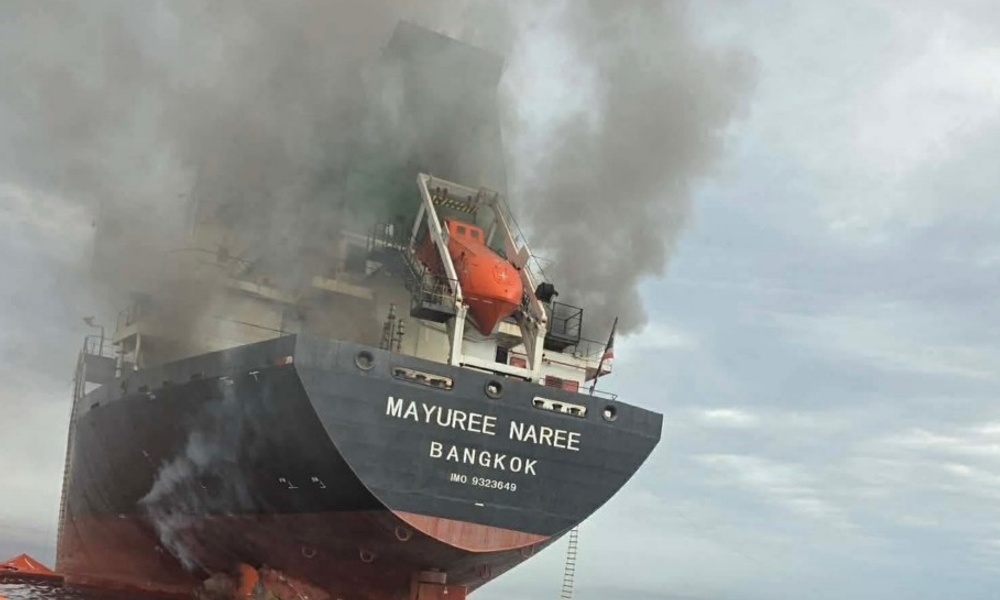 Photo: Splash247 / Pexels
The ongoing maritime paralysis in the Middle East presents an unprecedented crisis for seafarers, exposing them to significant physical danger and psychological distress within a volatile war zone. This situation creates critical operational challenges for ship operators, demanding immediate attention to crew welfare and resilient supply chain strategies.
⚡ Key Takeaways
- Hormuz crisis creates unprecedented physical and psychological risks for seafarers.
- Ship operators face severe challenges in crew welfare, operational continuity, and increased costs.
- Disruptions in Hormuz have ripple effects on Mediterranean and European shipping routes.
- Prioritize crew welfare, develop contingency plans, and secure reliable logistical support.
The Splash247 report on the ‘unprecedented plight of seafarers in the Hormuz crisis’ underscores a critical and evolving challenge for the global maritime industry. The current situation in the Middle East, characterized by heightened regional tensions, has created a unique and dangerous environment for thousands of crew members. Unlike previous crises, the prolonged immobilization of vessels in a high-risk zone, coupled with direct threats to shipping, poses severe physical and psychological risks to seafarers. This unprecedented scenario demands immediate and strategic responses from ship operators, owners, and managers.
For ship operators and fleet managers, the implications are multifaceted and severe. Firstly, crew welfare becomes paramount. Prolonged exposure to danger, uncertainty, and isolation can lead to significant mental health issues, impacting morale, performance, and ultimately, safety onboard. Operators face increased pressure to ensure adequate provisions, security measures, and robust communication channels for their crews. Secondly, operational continuity is severely disrupted. Vessels caught in the zone face delays, increased insurance premiums, potential re-routing costs, and the risk of asset damage or loss. This directly impacts delivery schedules, contractual obligations, and profitability. Marine procurement officers must contend with potential supply chain bottlenecks, higher logistics costs, and the need for contingency planning for essential provisions and spare parts.
The relevance to Turkish, Mediterranean, and European shipping routes is significant. While not directly within the Strait of Hormuz, these regions are intrinsically linked through trade flows. Disruptions in the Middle East invariably lead to ripple effects, including increased transit times for vessels bypassing the region, higher freight rates due to capacity constraints, and potential shifts in global energy and commodity markets that impact port calls and cargo volumes across the broader Mediterranean and European theatre. Seaway Ship Services, operating in Turkey, UK, Europe, and the Middle East, is acutely aware of these interdependencies and the need for robust support systems.
The practical takeaways for marine professionals are clear: prioritize proactive crew welfare programs, including mental health support and enhanced security protocols. Develop and implement comprehensive contingency plans for vessel re-routing, supply chain resilience, and emergency response. Engage closely with P&I clubs and insurers to understand evolving coverage and risks. Finally, leverage experienced service providers like Seaway Ship Services to ensure reliable provisioning, repair, and logistical support, particularly when navigating challenging operational environments and extended port stays or diversions.
Original article: Splash247 · Analysis by Seaway Ship Services Editorial
Need Maritime Supplies or Services?
Seaway Ship Services — 35 years serving vessels in Turkey, UK, Europe & the Middle East. 24/7 operations.
Get a Quote →