Hormuz Blockades Deepen: Navigating Risk for Ship Operators Amidst Escalation
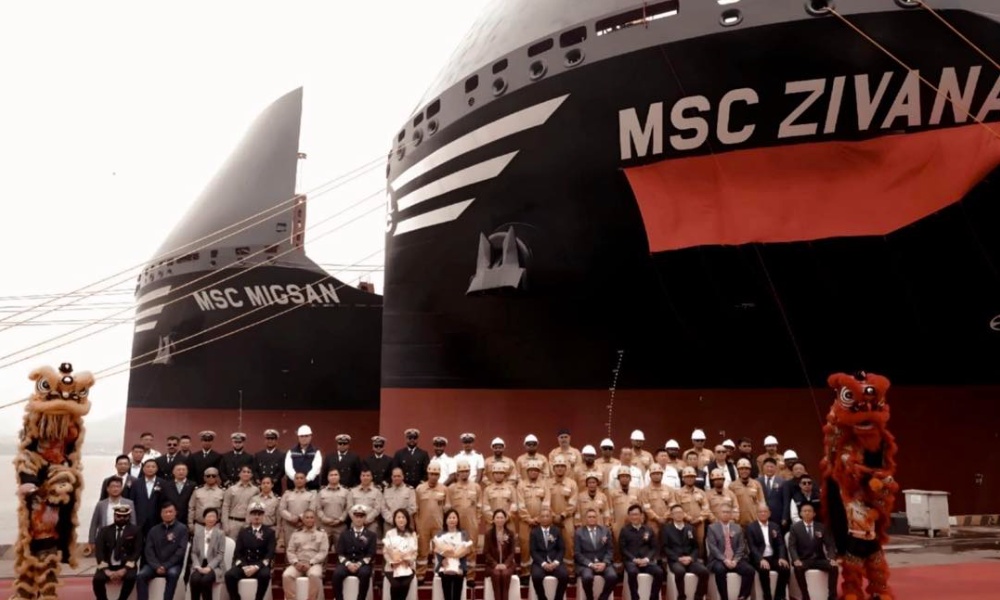 Photo: Splash247 / Pexels
The Strait of Hormuz faces escalating US-Iran blockades, marking nearly 50 days of significant disruption to global shipping. This geopolitical tension directly impacts vessel routing, insurance premiums, and operational safety for all maritime stakeholders.
⚡ Key Takeaways
- Strait of Hormuz blockades elevate war risk insurance premiums.
- Rerouting vessels increases fuel costs and transit times, impacting schedules.
- Crew safety and security protocols are paramount in high-risk zones.
- Disruptions affect Mediterranean and European shipping routes, demanding operational flexibility.
The ongoing situation in the Strait of Hormuz, characterized by parallel diplomatic signals and military escalation from both the US and Iran enforcing blockades, represents one of the most disruptive shipping crises in recent history. This critical choke point, through which approximately one-fifth of the world's oil supply passes, is now a zone of heightened risk, directly impacting the operational calculus for ship operators, fleet managers, and marine procurement officers worldwide. The article highlights the involvement of major players like MSC, underscoring the broad reach of this crisis.
For ship operators, owners, and managers, the immediate implications are severe. Increased geopolitical risk translates directly into elevated insurance premiums, particularly for war risk and hull & machinery. Rerouting vessels to avoid the Strait, while mitigating direct risk, introduces significant additional costs in terms of bunker fuel consumption, extended transit times, and potential demurrage. Furthermore, crew welfare and safety become paramount concerns, requiring enhanced security protocols and contingency planning. The uncertainty surrounding transit through the Strait also creates volatility in freight rates and complicates charter party agreements, demanding robust risk assessment and contractual flexibility.
From Seaway Ship Services' perspective, serving vessels in Turkey, the UK, Europe, and the Middle East for over 35 years, the relevance of this crisis is profound. The Strait of Hormuz is a vital artery connecting Middle Eastern energy producers and Asian markets with European and global consumers. Any disruption here has ripple effects across the Mediterranean and broader European shipping routes. Vessels transiting to or from the Arabian Gulf, Red Sea, and Suez Canal are directly affected, potentially altering their schedules and increasing demand for services in alternative ports or along new routes. Turkish ports, already strategic hubs, could see shifts in traffic patterns, requiring adaptable and efficient port services.
Practical takeaways for marine professionals include the urgent need to review and update voyage plans, engage closely with P&I clubs and insurers regarding coverage and exclusions for declared risk zones, and maintain transparent communication with charterers. Proactive engagement with experienced service providers like Seaway Ship Services for port agency, repair, and supply needs in stable regions becomes crucial for maintaining operational continuity and mitigating unforeseen challenges arising from altered routes or extended port stays.
Original article: Splash247 · Analysis by Seaway Ship Services Editorial
Need Maritime Supplies or Services?
Seaway Ship Services — 35 years serving vessels in Turkey, UK, Europe & the Middle East. 24/7 operations.
Get a Quote →