Hegseth's Hormuz Mine Warning: What It Means for Your Fleet
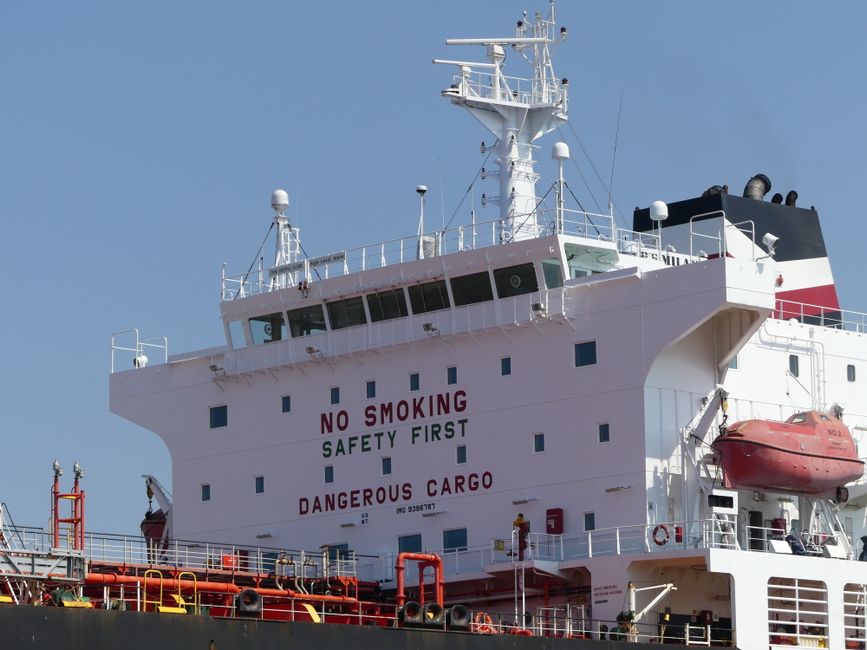 Photo: Solvita Vita / Pexels
US Defense Secretary Pete Hegseth reaffirmed mines as a major impediment to full confidence in the Strait of Hormuz, signaling continued elevated risk for maritime operations. This highlights the persistent security challenges in a critical global chokepoint, demanding strategic vigilance from ship operators.
⚡ Key Takeaways
- Mines remain a significant obstacle to full confidence in the Strait of Hormuz.
- Elevated risk impacts insurance, crew safety, and operational costs for transiting vessels.
- Hormuz instability directly influences global energy prices and supply chains, affecting European shipping.
- Operators must enhance risk assessment, security protocols, and financial contingencies.
Defense Secretary Pete Hegseth's recent public statement reinforcing that naval mines remain a central obstacle to restoring full confidence in the Strait of Hormuz is a stark reminder of the enduring geopolitical risks impacting global maritime trade. This isn't just a political pronouncement; it's a critical signal to the shipping industry that the perceived threat level in this vital waterway remains elevated, despite any fluctuations in daily headlines.
For ship operators, owners, and managers, Hegseth's comments underscore the necessity of maintaining robust risk assessment and mitigation strategies for any vessel transiting the Strait. The 'confidence' he refers to directly translates into operational safety, insurance premiums, crew welfare, and ultimately, voyage profitability. The mere presence or suspected presence of mines can lead to increased transit times due to heightened security protocols, rerouting considerations, or even temporary closures, all of which incur significant costs and disrupt schedules. Furthermore, the psychological impact on crews navigating these waters cannot be underestimated, demanding enhanced crew support and security training.
While the Strait of Hormuz is geographically distant from Turkey, the Mediterranean, and much of Europe, its direct impact on global energy and trade flows makes Hegseth's warning highly relevant. A significant portion of the world's oil and LNG transits Hormuz, feeding into European markets and influencing global bunker prices. Disruptions or even perceived threats in Hormuz can cause spikes in crude oil and bunker fuel costs, directly affecting the operational budgets of fleets worldwide, including those operating extensively in the Turkish, Mediterranean, and wider European regions. Supply chain stability, vital for European economies, is intrinsically linked to the free flow of goods through this chokepoint.
Practical takeaways for marine procurement officers and port captains include the need to factor in potential insurance premium increases (e.g., war risk premiums), allocate contingencies for fluctuating bunker prices, and meticulously review security protocols for vessels. Engage with your security providers to ensure intelligence is current and actionable. For procurement, this means exploring alternative sourcing or hedging strategies for critical supplies that may be impacted by Hormuz disruptions. For fleet managers, it's a call to re-evaluate voyage planning, contingency routing, and crew security training programs, ensuring they are aligned with a persistent, rather than transient, threat landscape. Seaway Ship Services remains committed to supporting vessels navigating these complex environments with reliable supplies and services, wherever their routes may take them.
Original article: gCaptain · Analysis by Seaway Ship Services Editorial
Need Maritime Supplies or Services?
Seaway Ship Services — 35 years serving vessels in Turkey, UK, Europe & the Middle East. 24/7 operations.
Get a Quote →