Gulf Conflict Escalation: Critical Energy Infrastructure Damage & Maritime Impact
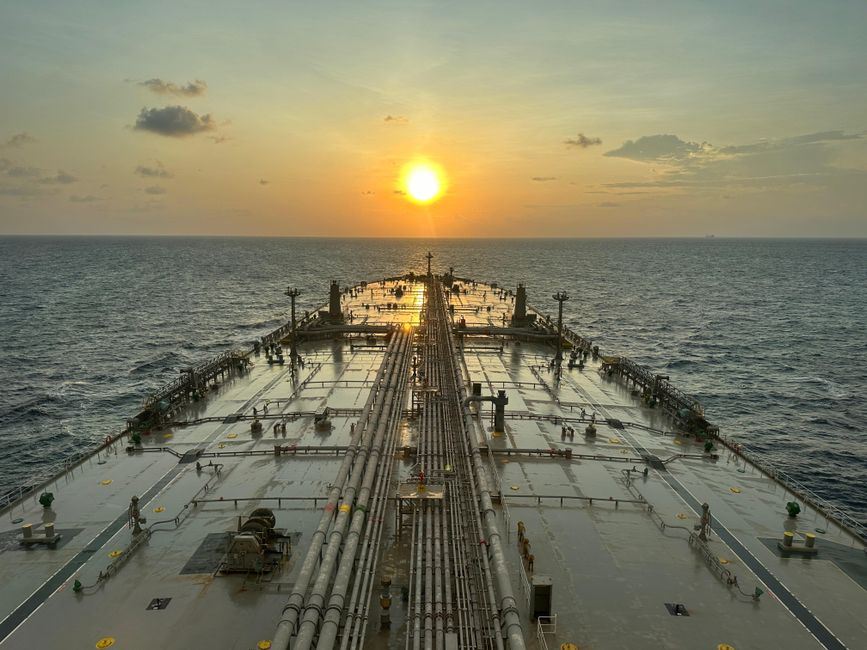 Photo: Punit Singh / Pexels
Recent conflict has severely damaged vital energy infrastructure across the Gulf, directly impacting global oil and gas supply chains. This escalation demands immediate attention from ship operators due to potential disruptions to bunkering, port access, and route planning.
⚡ Key Takeaways
- Extensive damage to Gulf energy infrastructure threatens global oil & gas supply.
- Ship operators face potential port delays, bunker price volatility, and increased insurance costs.
- Impacts vital Middle East-Turkey-Mediterranean-Europe shipping routes.
- Proactive bunker strategies, route planning, and real-time intelligence are crucial.
The gCaptain article, reporting on Bloomberg's findings, highlights extensive damage to dozens of refineries, oil fields, gas plants, and ports within the Gulf region due to ongoing missile and drone attacks. This is not merely a regional conflict; it represents a significant disruption to a global energy artery. The Gulf is a linchpin for international oil and gas supply, and any sustained damage to its infrastructure has immediate and far-reaching implications for global energy markets, directly translating into volatility for maritime operations.
For ship operators, owners, and managers, the primary concerns are multi-faceted. Firstly, the direct damage to port facilities and associated infrastructure could lead to significant port congestion, delays, or even temporary closures in affected areas. This directly impacts vessel schedules, increasing operational costs due to extended waiting times and potential diversions. Secondly, the disruption to refineries and oil fields will inevitably affect the availability and pricing of bunker fuel. Even if vessels are not directly transiting the immediate conflict zones, the ripple effect on global bunker markets will be felt, necessitating proactive fuel procurement strategies and flexible bunkering plans. Furthermore, increased geopolitical risk in the region could lead to higher insurance premiums for vessels operating in or transiting near the Gulf, adding another layer of financial burden.
Given Seaway Ship Services' strategic location and operational reach, this situation has particular relevance for shipping routes connecting the Middle East with Turkey, the Mediterranean, and wider Europe. Vessels frequently transit the Gulf for cargo loading/unloading, bunkering, and transit to major European markets. Any instability or disruption in the Gulf directly impacts the efficiency and safety of these vital trade lanes. Operators must reassess their risk profiles for these routes, consider alternative bunkering locations, and stay abreast of real-time intelligence regarding port statuses and security advisories.
Practical takeaways for marine procurement officers and fleet managers include: diversifying bunker procurement strategies, exploring alternative bunkering hubs outside the immediate conflict zone (e.g., in the Red Sea, East Mediterranean, or even Western Europe for vessels heading there), enhancing vessel security protocols, and maintaining robust communication channels for real-time intelligence updates. Contingency planning for route deviations and potential port closures is paramount. Engaging with experienced service providers like Seaway Ship Services, who have deep regional knowledge and extensive networks, becomes crucial for navigating these complex challenges and ensuring operational continuity.
Original article: gCaptain · Analysis by Seaway Ship Services Editorial
Need Maritime Supplies or Services?
Seaway Ship Services — 35 years serving vessels in Turkey, UK, Europe & the Middle East. 24/7 operations.
Get a Quote →