Geopolitical Shift: US-Iran Talks in Pakistan – Implications for Maritime Operations
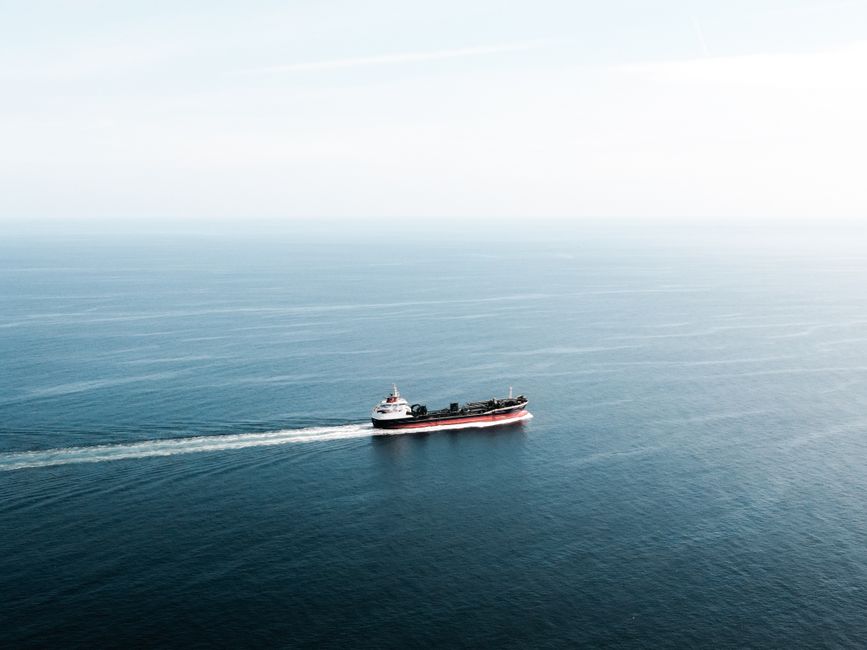 Photo: Lewis Ashton / Pexels
High-level US-Iran 'direct talks' are scheduled in Pakistan, a significant development for regional stability and global trade. This engagement could directly influence maritime security, bunker markets, and shipping lanes vital to our clients.
⚡ Key Takeaways
- US-Iran direct talks initiated in Pakistan; significant for regional stability.
- Potential for reduced maritime security risks and lower insurance premiums in the Middle East.
- Impacts bunker prices and operational costs for vessels transiting Suez, Turkish Straits, and the Mediterranean.
- Ship operators urged to monitor geopolitical shifts and maintain flexible operational strategies.
The unexpected announcement of Jared Kushner and Steve Witkoff heading to Pakistan for 'direct talks' with Iranian counterparts marks a pivotal moment in US-Iran relations. This direct engagement, reportedly initiated by Iran, signals a potential de-escalation or at least a new phase of dialogue previously absent. For the maritime industry, particularly those operating in the Middle East, Mediterranean, and connecting routes, this development is critical.
Historically, US-Iran tensions have had immediate and tangible impacts on shipping, manifesting as heightened security risks in critical chokepoints like the Strait of Hormuz, increased war risk insurance premiums, and volatility in global oil prices. A constructive dialogue, or even the perception of one, could lead to a reduction in these operational challenges. Conversely, a breakdown in talks or an escalation of rhetoric could quickly reverse any positive sentiment, necessitating heightened vigilance and contingency planning from ship operators and fleet managers.
For Seaway Ship Services' clients traversing the Turkish Straits, the Suez Canal, and various ports across Europe and the Middle East, the implications are multifaceted. Reduced regional tensions could translate into more stable bunker prices, lower insurance costs, and predictable transit times, directly benefiting operational budgets. Given Turkey's strategic position at the crossroads of these critical regions, any shift in the geopolitical landscape concerning Iran inevitably reverberates through the maritime arteries we serve. Our clients frequently navigate routes adjacent to or through areas historically affected by these dynamics. Therefore, understanding the potential for either improved stability or renewed friction is paramount for effective voyage planning and risk management.
Practical takeaways for marine procurement officers and port captains include closely monitoring geopolitical news, maintaining flexible bunkering strategies, and ensuring robust security protocols remain in place. While direct talks offer a glimmer of hope for de-escalation, the inherent volatility of the region means prudence remains key. Seaway Ship Services advises operators to stay informed and leverage our local intelligence to adapt swiftly to evolving conditions, ensuring continued operational efficiency and safety.
Original article: The Loadstar · Analysis by Seaway Ship Services Editorial
Need Maritime Supplies or Services?
Seaway Ship Services — 35 years serving vessels in Turkey, UK, Europe & the Middle East. 24/7 operations.
Get a Quote →