DroneQ Robotics Secures Research Vessel: Implications for Maritime Autonomy & Services
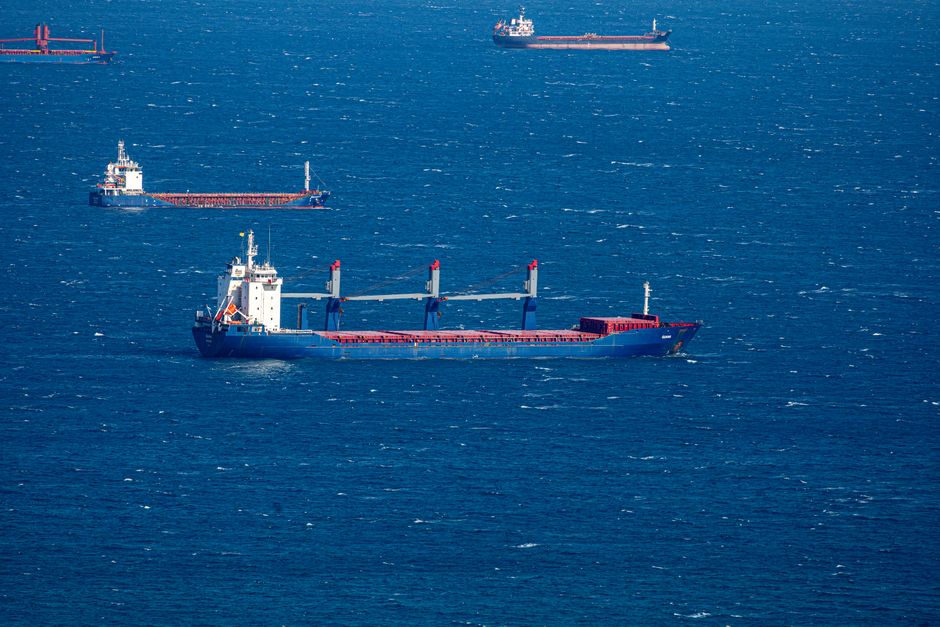 Photo: Regan Dsouza / Pexels
Dutch firm DroneQ Robotics has secured exclusive rights to a 2014-built research vessel, marking a significant step in expanding its advanced unmanned robotics services. This development underscores the growing integration of autonomous technologies in maritime operations and research.
⚡ Key Takeaways
- DroneQ Robotics secures exclusive rights to a 2014-built research vessel.
- Signals acceleration in commercial deployment of advanced unmanned maritime systems (UMS).
- Offers potential for cost-efficient, safer inspections and maintenance for ship operators.
- Impacts future maritime operational strategies and vessel support requirements globally.
The news of DroneQ Robotics gaining exclusive rights to a modern research vessel (built 2014) is more than just a company acquisition; it signals a clear acceleration in the commercialization and deployment of advanced unmanned maritime systems. For ship operators, fleet managers, port captains, and marine procurement officers, this development is a bellwether for future operational paradigms.
Firstly, what happened is that a leading advanced unmanned robotics services provider has secured a dedicated platform for its operations. This matters immensely because a dedicated research vessel allows for more consistent, scalable, and sophisticated testing and deployment of autonomous underwater vehicles (AUVs), unmanned surface vessels (USVs), and aerial drones for maritime applications. This move by DroneQ Robotics suggests a maturation of the UMS market, moving beyond sporadic pilot projects to sustained operational capabilities.
For ship operators and owners, this translates into several key impacts. The expanded capacity for UMS deployment will likely lead to more robust and commercially viable services in areas such as underwater inspection, hydrographic surveying, pipeline monitoring, offshore wind farm maintenance, and even security patrols. This could potentially reduce reliance on traditional, more expensive, and often riskier human-crewed operations for certain tasks, offering efficiencies in cost, time, and safety. Fleet managers should anticipate an increasing demand for vessels capable of interfacing with or supporting these autonomous systems, as well as a shift in maintenance and inspection strategies.
While the article doesn't specify the vessel's operational area, the nature of DroneQ Robotics (Dutch) and the global reach of maritime technology imply relevance across key shipping routes. The methodologies and technologies developed and refined using this vessel will undoubtedly influence practices in the North Sea, Mediterranean, and potentially extend to the Middle East, particularly for offshore energy and infrastructure projects. As an Istanbul-based service provider like Seaway Ship Services, we recognize that advancements in autonomous inspection and repair will directly influence the types of support and expertise vessels require in Turkish and surrounding European/Middle Eastern ports.
Practical takeaways include the need for marine professionals to stay abreast of UMS capabilities for potential integration into their operational workflows. Consider how autonomous systems could augment existing inspection, maintenance, or surveying schedules. Furthermore, understanding the data acquisition and analysis capabilities of these systems will be crucial for informed decision-making regarding vessel performance, structural integrity, and environmental compliance.
Original article: Offshore Energy · Analysis by Seaway Ship Services Editorial
Need Maritime Supplies or Services?
Seaway Ship Services — 35 years serving vessels in Turkey, UK, Europe & the Middle East. 24/7 operations.
Get a Quote →