Dollar Strength Cools Ship Recycling: What it Means for Your Fleet
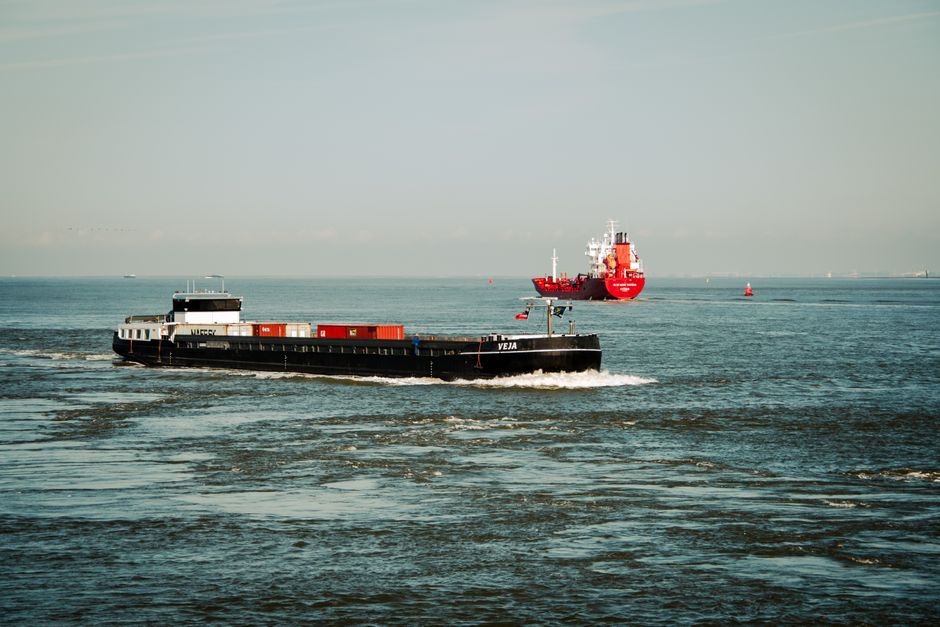 Photo: Fred dendoktoor / Pexels
The global ship recycling market is experiencing reduced buying interest, primarily driven by a strengthening US dollar. This shift signals potential changes in vessel end-of-life strategies and asset valuations for ship operators.
⚡ Key Takeaways
- Stronger US dollar weakens ship recycling demand and prices.
- Reduced scrap value impacts residual asset value of older vessels.
- Operators may defer scrapping, extending vessel operational lives.
- Increased demand for maintenance and repair services for older fleets.
The latest report from Best Oasis highlights a noticeable weakening in the ship recycling market, particularly in India, attributed to the significant appreciation of the US dollar. This isn't merely a currency fluctuation; it directly impacts the economics of scrapping older vessels. A stronger dollar makes dollar-denominated purchases, such as scrap steel from ships, more expensive for buyers operating in local currencies, thereby curbing demand and depressing prices offered for end-of-life tonnage. This development signals a shift in the supply-demand dynamics within the recycling sector, moving from a previously robust market to one showing mixed performance.
For ship operators, fleet managers, port captains, and marine procurement officers, this market weakening has several critical implications. Firstly, the immediate impact is on the residual value of older vessels. If recycling prices continue to soften, the financial incentive to scrap older, less efficient ships diminishes. This could lead to operators deferring scrapping decisions, potentially extending the operational life of vessels that might otherwise have been earmarked for demolition. Such a scenario could exacerbate overcapacity in certain segments, putting downward pressure on freight rates. Conversely, for operators considering new builds or acquisitions, the reduced scrap value might influence the overall financing structure and long-term asset management plans.
While the direct recycling activity might be concentrated in South Asia, the ripple effects are global. For vessels operating on Turkish, Mediterranean, European, and Middle Eastern shipping routes, a slowdown in recycling could mean more older tonnage remaining in service, potentially increasing competition for cargo or charter opportunities. For Seaway Ship Services clients, this also presents a potential need for extended maintenance, repair, and operational support for vessels whose lives are prolonged. If operators delay scrapping, the demand for spares, routine maintenance, dry-docking, and general vessel services in strategic hubs like Turkey, where Seaway Ship Services operates, could see an uptick as vessels are kept compliant and operational for longer.
Practical takeaways include closely monitoring vessel age and efficiency against evolving market conditions. Operators should re-evaluate their fleet renewal strategies, considering the reduced financial returns from scrapping. Proactive maintenance and repair planning become even more crucial for older vessels to ensure continued operational efficiency and regulatory compliance, potentially increasing demand for reliable ship supply and repair services. Furthermore, understanding the nuances of currency fluctuations and their impact on global maritime economics is vital for informed strategic decision-making.
Original article: Hellenic Shipping News · Analysis by Seaway Ship Services Editorial
Need Maritime Supplies or Services?
Seaway Ship Services — 35 years serving vessels in Turkey, UK, Europe & the Middle East. 24/7 operations.
Get a Quote →