Decarbonization Premium Dips: What This Means for Your Fleet & Bottom Line
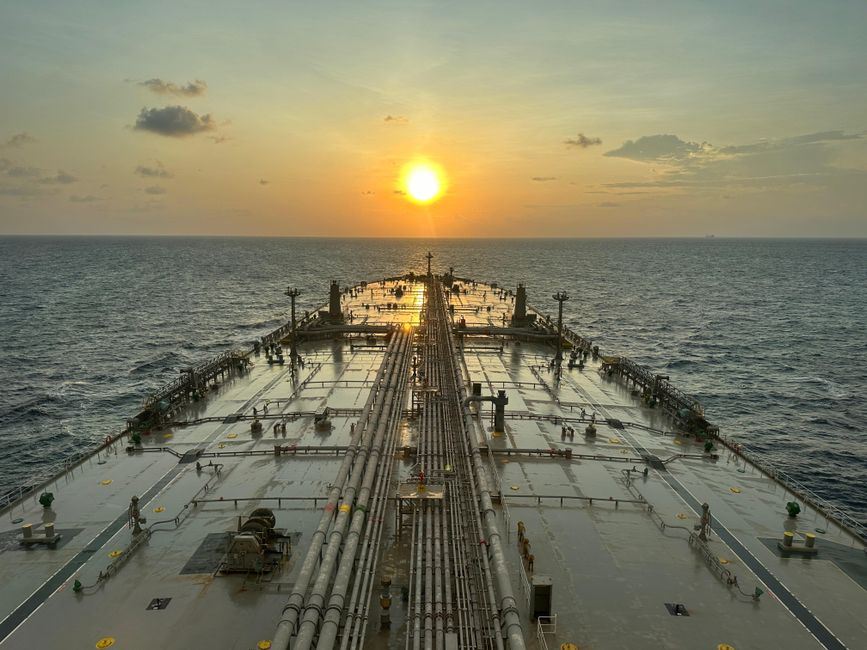 Photo: Punit Singh / Pexels
Cargo owners' willingness to pay a premium for low-carbon shipping has dropped significantly, reaching levels not seen since 2022. This shift presents both immediate challenges and strategic opportunities for ship operators navigating the decarbonization landscape.
⚡ Key Takeaways
- Cargo owners' WTP for low-carbon fuels dropped to 3% in 2025, mirroring 2022 levels.
- This reduces immediate financial incentives for adopting premium low-carbon fuels.
- Operators must re-evaluate decarbonization strategies, focusing on efficiency and long-term value.
- Increased pressure on operators in regulated regions like Turkey, Europe, and the Middle East.
The latest BCG Shipping Decarbonization Survey reveals a critical development: cargo owners' willingness to pay (WTP) a premium for low-carbon fuels has fallen from 4.5% in 2024 to 3% in 2025. This 1.5 percentage point drop, returning to 2022 levels, signals a potential slowdown in the immediate financial incentives driving decarbonization efforts within the maritime sector.
For ship operators, fleet managers, and marine procurement officers, this trend carries significant implications. Firstly, the reduced WTP directly impacts the financial viability of investing in and operating vessels on more expensive low-carbon fuels. The business case for adopting alternative fuels such as LNG, methanol, or ammonia, which often come at a premium, becomes harder to justify in the short term without sufficient cargo owner support. This could lead to a re-evaluation of current decarbonization timelines and investment strategies, especially for newbuilds or retrofits.
Secondly, this shift underscores the ongoing volatility in the decarbonization journey. While the long-term imperative for sustainable shipping remains, the short-term market dynamics are proving complex. Operators must now carefully balance regulatory pressures, long-term environmental goals, and the immediate commercial realities of a market where the 'green premium' is diminishing. This necessitates a more agile and risk-aware approach to fuel procurement and fleet management.
For vessels operating in and around Turkey, the Mediterranean, and the wider European and Middle Eastern routes, this development is particularly pertinent. These regions are at the forefront of implementing stricter environmental regulations, such as the EU ETS and FuelEU Maritime. A reduced WTP from cargo owners could exacerbate the financial burden on operators complying with these regulations, potentially leading to increased operational costs that are harder to pass on to clients. Seaway Ship Services understands these regional nuances and the critical role of efficient and compliant operations.
Practical takeaways include the need for robust fuel strategy planning, considering dual-fuel capabilities for future flexibility, and exploring energy efficiency measures as a primary lever for emission reduction that doesn't rely on cargo owner premiums. Furthermore, engaging in transparent dialogue with charterers about shared decarbonization costs and long-term value creation will be crucial. While the immediate financial incentive has waned, the fundamental long-term value of sustainable shipping, driven by regulatory compliance, brand reputation, and future-proofing, remains strong. Operators must continue to invest in data-driven insights and strategic partnerships to navigate this evolving landscape effectively.
Original article: Hellenic Shipping News · Analysis by Seaway Ship Services Editorial
Need Maritime Supplies or Services?
Seaway Ship Services — 35 years serving vessels in Turkey, UK, Europe & the Middle East. 24/7 operations.
Get a Quote →