Celtic Interconnector Progress: Nexans Completes French Cable Pull-in, Impacts Shipping
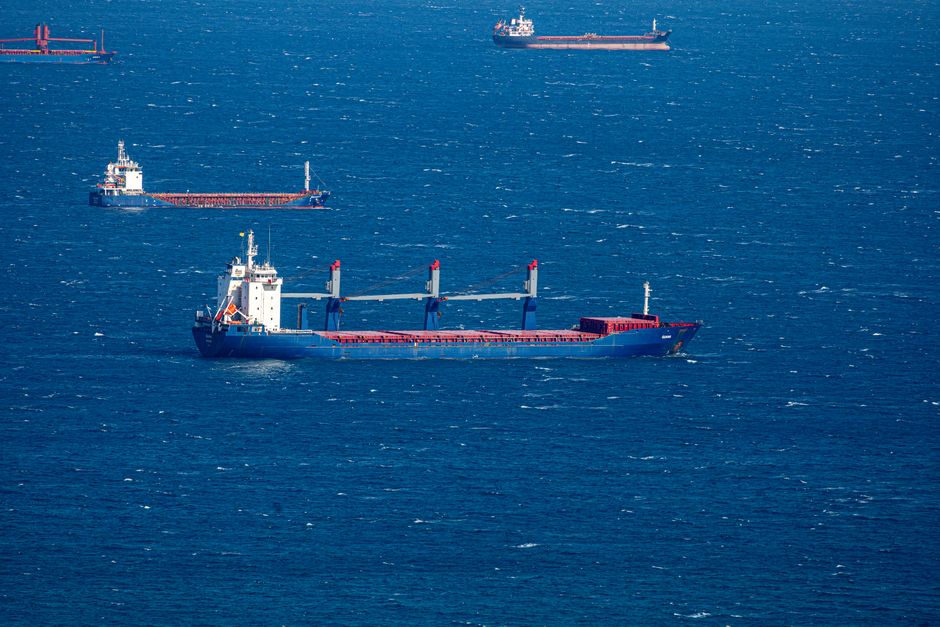 Photo: Regan Dsouza / Pexels
France's Nexans has successfully completed the initial cable pull-in for the Celtic Interconnector on the French coast, marking a significant milestone for this vital subsea power link between France and Ireland. This development directly impacts shipping routes and port activities in the region, requiring careful consideration from marine operators.
⚡ Key Takeaways
- First cable pull-in completed for Celtic Interconnector in France.
- Offshore cable installation creates new navigation challenges and exclusion zones.
- Impacts shipping routes in English Channel, Bay of Biscay, and Irish Sea.
- Requires enhanced voyage planning, chart awareness, and adherence to NtMs.
The successful completion of the first cable pull-in on the French side by Nexans for the Celtic Interconnector is a critical development in European energy infrastructure. This project, linking the power grids of France and Ireland, represents a substantial investment in renewable energy integration and grid stability across the continent. For the maritime industry, this isn't just an energy story; it's a navigational and operational one. The establishment of converter stations and the ongoing offshore cable installation phases introduce new elements to traditional shipping lanes and port operational procedures.
For ship operators, owners, and fleet managers, the immediate impact revolves around navigation and safety. Offshore cable laying operations necessitate the establishment of exclusion zones and the presence of specialized vessels, including cable layers and support craft. This requires meticulous voyage planning, updated chart awareness, and adherence to Notices to Mariners (NtMs) to ensure safe passage and avoid potential delays or incidents. Vessels transiting the English Channel, the Bay of Biscay, and approaches to the Irish Sea will need to factor in these new operational areas. Furthermore, the increased maritime traffic associated with construction and maintenance phases can add to congestion in specific areas, demanding enhanced situational awareness from bridge teams.
While the primary installation is off the French and Irish coasts, the broader implications resonate throughout the European shipping network, including routes relevant to Turkish, Mediterranean, and Middle Eastern shipping. Vessels calling at ports in Northern Europe, or those transiting through the region en route to or from the Mediterranean and beyond, will indirectly encounter the operational consequences. Any disruption or re-routing in busy European waterways can have a ripple effect on schedules, potentially impacting onward connections and supply chain efficiency. Port captains and marine procurement officers should also anticipate potential localized strains on port services and supplies in supporting ports directly involved in the interconnector project, such as those providing logistics for the cable laying vessels or shore-based facilities.
Practical takeaways include the imperative for continuous monitoring of maritime advisories, proactive communication with port authorities in affected regions, and ensuring vessels are equipped with the latest navigational data. Fleet managers should review voyage plans for any vessels transiting the area, allowing for potential detours or speed adjustments. This project underscores the growing intersection of critical infrastructure development and routine maritime operations, demanding adaptability and foresight from all stakeholders.
Original article: Offshore Energy · Analysis by Seaway Ship Services Editorial
Need Maritime Supplies or Services?
Seaway Ship Services — 35 years serving vessels in Turkey, UK, Europe & the Middle East. 24/7 operations.
Get a Quote →