Canada's $12B Oil Project: What FEED Means for Ship Operators
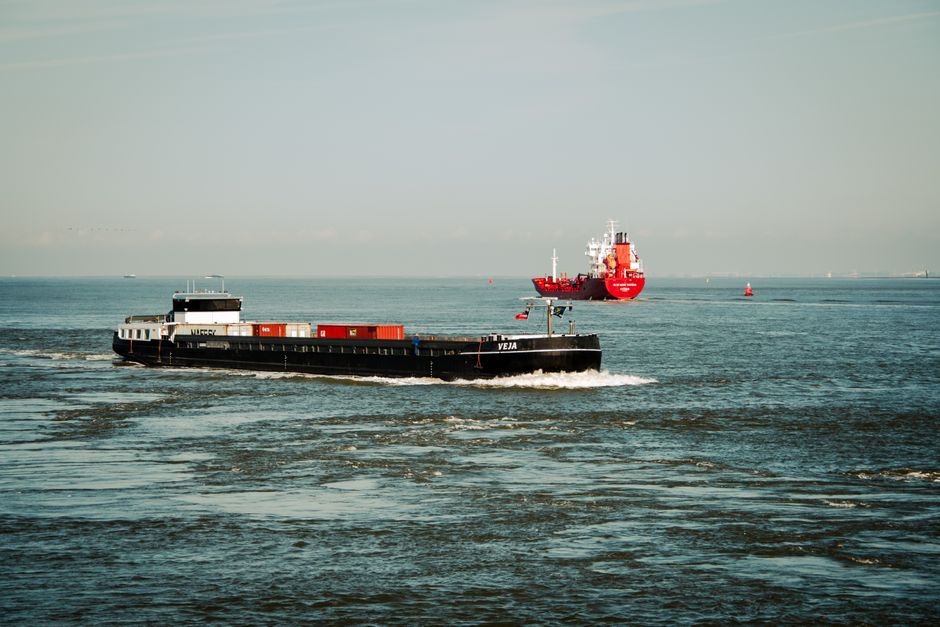 Photo: Fred dendoktoor / Pexels
The Subsea Integration Alliance (SIA), comprising SLB OneSubsea and Subsea7, has been awarded the Front-End Engineering Design (FEED) for a significant C$12 billion Canadian oil project. This development signals crucial long-term opportunities and logistical considerations for ship operators supporting the offshore energy sector.
⚡ Key Takeaways
- SIA's FEED award signals significant progress for a C$12B Canadian oil project.
- Future demand for specialized offshore support vessels (PSVs, AHTS, subsea construction) is anticipated.
- Global vessel availability and charter rates may be influenced by this large-scale project.
- Proactive engagement with offshore contractors is essential for fleet positioning.
- Operators should assess asset suitability for harsh Canadian offshore environments.
The selection of Subsea Integration Alliance (SIA) for the Front-End Engineering Design (FEED) phase of a C$12 billion Canadian oil project marks a pivotal moment for the offshore energy sector and, by extension, the maritime industry. FEED is a critical precursor to project execution, laying the groundwork for engineering, procurement, construction, and installation (EPCI). This award signifies the project's progression from conceptualization to detailed planning, indicating a high probability of eventual final investment decision (FID) and subsequent large-scale development.
For ship operators, owners, and managers, this development translates into future demand for a specialized array of offshore support vessels. While the immediate impact is on engineering and planning, successful FEED completion will trigger requirements for platform supply vessels (PSVs), anchor handling tug supply (AHTS) vessels, subsea construction vessels, offshore accommodation vessels, and potentially specialized heavy-lift vessels during the project's construction and installation phases. Fleet managers should begin to assess their asset portfolios for suitability and availability to capitalize on these emerging opportunities, particularly those with experience in harsh environment operations typical of Canadian offshore.
While the project is geographically distant from Turkey, the Mediterranean, European, or Middle Eastern shipping routes, its scale influences global vessel availability and charter rates. A significant project in Canada can draw specialized tonnage from other regions, potentially tightening the market for specific vessel types globally. Furthermore, the globalized nature of offshore supply chains means that equipment and materials sourced from Europe or the Middle East may eventually require long-haul marine transport, creating indirect opportunities for tramp shipping and container lines.
Practical takeaways for marine procurement officers and port captains include monitoring the project's progression for FID announcements. Proactive engagement with major offshore contractors and EPCI players involved in the Canadian market will be crucial for positioning fleets. Understanding the specific technical requirements for vessels operating in Canadian waters – including ice-classifications or enhanced winterization – will be vital for those considering deployment. This project underscores the long-term resilience of the offshore oil and gas sector, offering sustained demand for well-positioned and capable maritime assets.
Original article: Offshore Energy · Analysis by Seaway Ship Services Editorial
Need Maritime Supplies or Services?
Seaway Ship Services — 35 years serving vessels in Turkey, UK, Europe & the Middle East. 24/7 operations.
Get a Quote →