Brazil's Deepwater FPSO Surge: Implications for Global Shipping & Your Fleet
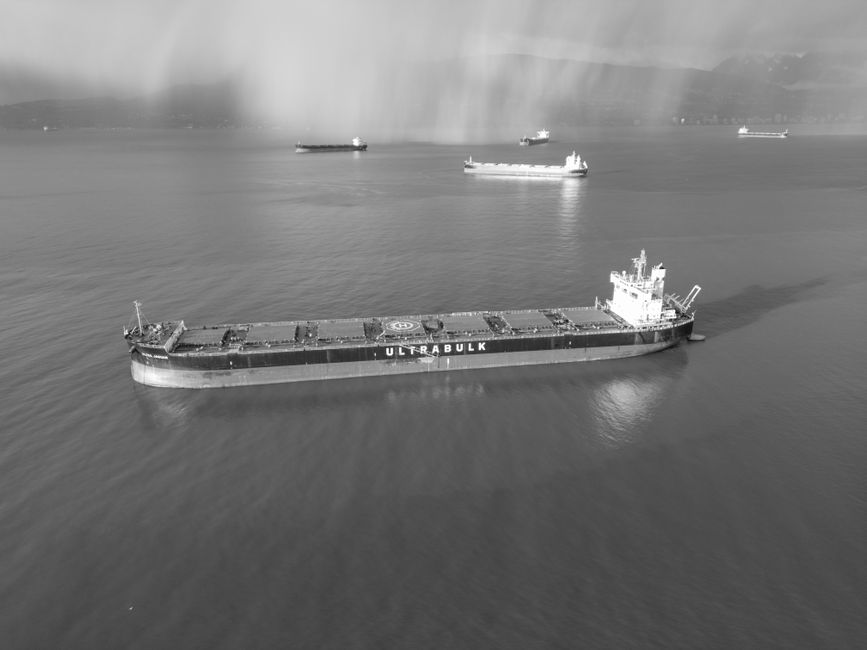 Photo: Corentin Jacquemaire / Pexels
Petrobras has initiated production from its eighth FPSO in Brazil's prolific deepwater fields, with four more planned, signaling a significant boost in crude oil output. This expansion has direct implications for global energy markets and maritime logistics, influencing tanker demand and potentially bunker fuel dynamics.
⚡ Key Takeaways
- Brazil's 8th FPSO signals significant crude oil production increase.
- Expect increased demand for Aframax, Suezmax, VLCC tankers globally.
- Global crude supply shifts impact bunker fuel prices in Turkey, Med, Europe.
- Fleet managers must integrate global oil trends into bunker strategies.
Petrobras' commencement of production from its eighth Floating Production Storage and Offloading (FPSO) unit in Brazil's deepwater fields, with a further four units slated for deployment, represents a substantial increase in global crude oil supply capacity. This development is critical for ship operators, owners, and managers as it directly impacts the dynamics of the tanker market, global trade flows, and energy prices. The 'giant deepwater field' reference underscores the scale of Brazil's hydrocarbon reserves, solidifying its position as a major crude exporter.
For ship operators and owners, this increased production translates into a potential rise in demand for Aframax, Suezmax, and VLCC tankers to transport crude oil from Brazil to key refining centers, particularly in Asia, Europe, and North America. This sustained demand could support freight rates in these segments. Fleet managers should closely monitor fixture rates and vessel availability on these long-haul routes. Furthermore, the expansion of a significant crude oil producer often correlates with increased port calls, potentially creating ancillary service opportunities for vessels calling at Brazilian ports, although Seaway Ship Services primarily focuses on the Eastern Hemisphere.
While Brazil is geographically distant from Turkey, the Mediterranean, Europe, and the Middle East, the global interconnectedness of the maritime industry ensures ripple effects. Increased crude supply from Brazil contributes to the overall global oil market balance. Any significant shift in supply can influence crude oil benchmarks, which in turn affect bunker fuel prices globally. Ship operators traversing the Suez Canal, Mediterranean, or calling at Turkish ports will experience these price fluctuations directly. A stable or increasing global oil supply, partly supported by Brazil's output, can contribute to more predictable bunker costs, enabling better voyage planning and budgeting for vessels trading in our service regions.
Practical takeaways for marine procurement officers and port captains include the necessity of integrating global oil market trends into their bunker procurement strategies. Monitoring news from major producers like Petrobras provides early indicators of potential shifts in supply and pricing. Maintaining flexibility in bunkering locations and leveraging advanced procurement tools can mitigate price volatility. Moreover, understanding the broader supply-demand picture helps in anticipating vessel traffic patterns that might indirectly affect port congestion or service demand in other regions, even those far removed from the production source.
Original article: Offshore Energy · Analysis by Seaway Ship Services Editorial
Need Maritime Supplies or Services?
Seaway Ship Services — 35 years serving vessels in Turkey, UK, Europe & the Middle East. 24/7 operations.
Get a Quote →