BoE Rate Hold: Navigating Uncertainty for Maritime Finance & Operations
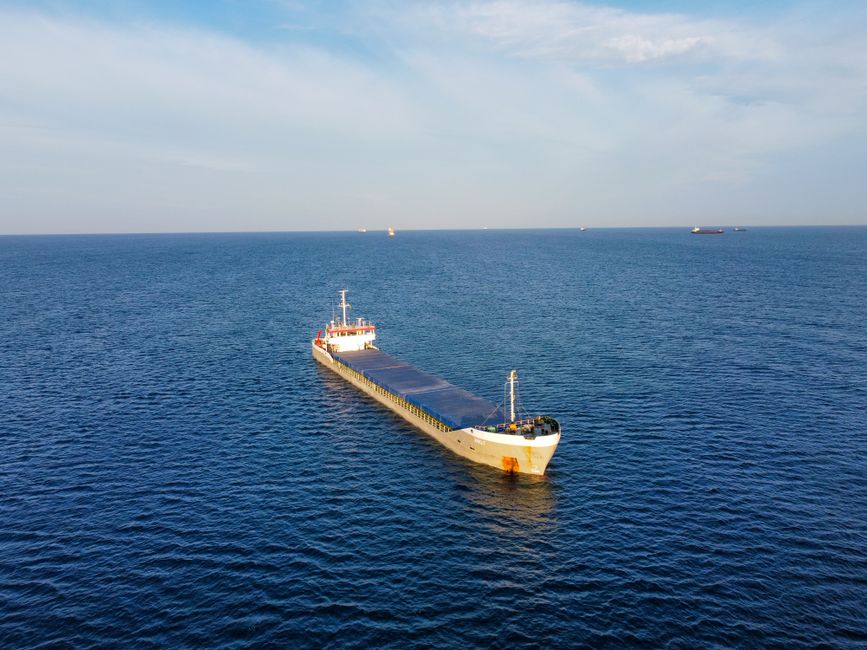 Photo: Lio Voo / Pexels
The Bank of England is widely expected to maintain its Bank Rate at 3.75% next week, a decision driven by persistent geopolitical uncertainty impacting energy prices and global economic growth. This stability, or lack thereof, has direct implications for ship operators' financing costs, bunker fuel prices, and broader trade dynamics across key shipping lanes.
⚡ Key Takeaways
- BoE expected to hold rates at 3.75% due to geopolitical uncertainty.
- Uncertainty drives volatile energy prices, impacting bunker costs and insurance.
- Stable rates offer financing predictability, but high operational costs persist.
- Critical for operators on Turkish, Mediterranean, European, Middle East routes.
Bank of America's projection that the Bank of England will hold its Bank Rate at 3.75% is a critical development for the global maritime industry, particularly for operators with exposure to the UK, European, and Middle Eastern markets. The underlying rationale—ongoing uncertainty stemming from recent conflicts and their impact on energy prices and economic growth—underscores a challenging operating environment.
For ship operators, owners, and managers, a stable, albeit high, interest rate environment from a major central bank like the BoE provides a degree of predictability in financing costs. However, the *reason* for the hold – persistent uncertainty – is the more significant factor. Geopolitical instability directly translates to volatile bunker fuel prices, increased insurance premiums for certain routes, and potential disruptions to supply chains. While a rate hike would immediately increase borrowing costs, a hold driven by uncertainty suggests that the factors pushing up operational expenses (like energy) are not dissipating. This means operators must continue to budget for elevated fuel costs and potential supply chain bottlenecks, directly affecting voyage profitability and charter rates.
This scenario is particularly relevant for shipping routes connecting Turkey, the Mediterranean, Europe, and the Middle East. These regions are highly sensitive to geopolitical tensions and energy market fluctuations. Vessels traversing these critical arteries will face sustained pressure from higher operational expenditures. Turkish ports, serving as key transit hubs, may see ripple effects in cargo volumes if broader economic uncertainty dampens demand in Europe. Similarly, operators engaged in the robust energy trade from the Middle East to Europe will continue to navigate the complexities of volatile pricing and potential route adjustments.
Practically, marine procurement officers and fleet managers must prioritize robust risk management strategies. This includes active hedging against bunker price volatility, meticulous route planning to optimize fuel consumption, and proactive engagement with financial institutions to secure competitive financing terms. The emphasis should be on operational efficiency and financial resilience in a market that remains susceptible to external shocks. Seaway Ship Services understands these pressures and remains a steadfast partner in optimizing vessel operations amidst these challenging market conditions.
Original article: Hellenic Shipping News · Analysis by Seaway Ship Services Editorial
Need Maritime Supplies or Services?
Seaway Ship Services — 35 years serving vessels in Turkey, UK, Europe & the Middle East. 24/7 operations.
Get a Quote →