Air Freight Volatility Persists: Critical Implications for Maritime Supply Chains
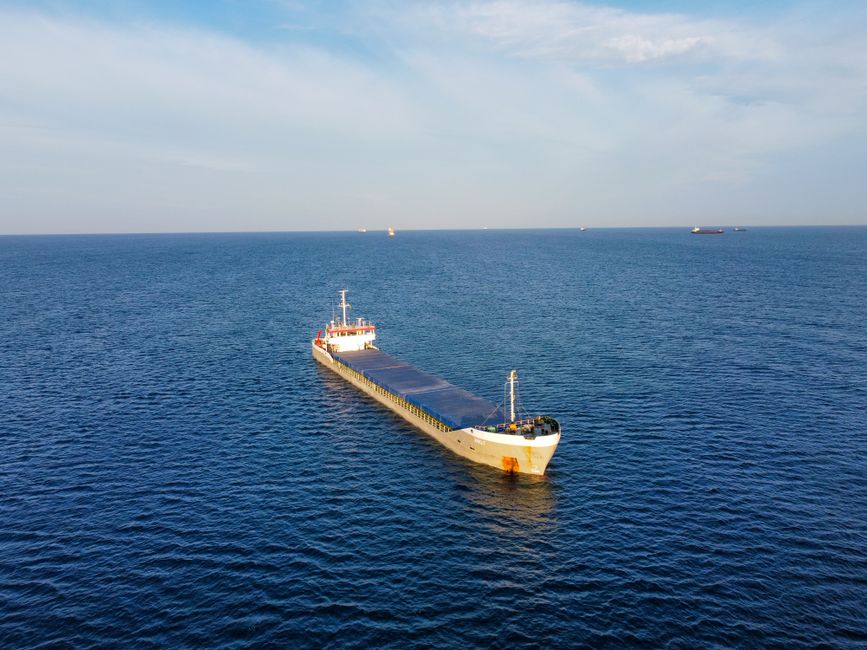 Photo: Lio Voo / Pexels
Despite recent ceasefires, air freight markets are far from normal, with analysts warning of a new era of volatility and supply constraints. This disruption has already led to a significant loss of expected global air freight growth, directly impacting urgent maritime logistics.
⚡ Key Takeaways
- Air freight markets face prolonged volatility and supply constraints.
- Six percentage points of expected global air freight growth have been lost.
- Impacts include higher costs and longer lead times for urgent maritime spares.
- Necessitates strategic re-evaluation of logistics and procurement for ship operators.
The latest analysis from The Loadstar highlights a critical ongoing challenge for global supply chains: air freight markets are unlikely to normalize soon, even with the US-Iran ceasefire. Maarten Wormer of Aevean points to a substantial six percentage point loss in expected weekly global air freight growth, signaling a new, more volatile, and supply-constrained phase for the industry. This shift is not merely an inconvenience; it represents a fundamental change in the operational landscape for ship operators, fleet managers, port captains, and marine procurement officers.
For our clients – ship operators, owners, and managers – this prolonged air freight instability translates directly into increased lead times, higher costs for urgent spare parts and critical equipment, and potential delays in vessel maintenance and operations. The traditional reliance on air freight for time-sensitive components, from engine parts to specialized electronics, becomes increasingly precarious. This necessitates a strategic re-evaluation of logistics planning, inventory management, and procurement strategies to mitigate risks.
The relevance to Turkish, Mediterranean, European, and Middle Eastern shipping routes is profound. These regions are key hubs for international trade and vessel traffic, often serving as transit points for critical components. Delays in air freight shipments into or out of these regions can ripple through the entire maritime network, impacting vessel schedules, dry-docking timelines, and even the timely deployment of crew. For vessels operating in or transiting these strategic waters, the ability to source and receive urgent supplies efficiently is paramount to maintaining operational continuity and avoiding costly downtime.
Practically, marine professionals must proactively engage with their suppliers and service providers. This includes exploring alternative shipping methods, increasing safety stock levels for critical spares, and leveraging established, reliable local partners like Seaway Ship Services who can provide on-the-ground support and rapid delivery solutions within Turkey, the UK, Europe, and the Middle East. Robust contingency planning is no longer optional but essential for navigating this new era of supply chain volatility.
Original article: The Loadstar · Analysis by Seaway Ship Services Editorial
Need Maritime Supplies or Services?
Seaway Ship Services — 35 years serving vessels in Turkey, UK, Europe & the Middle East. 24/7 operations.
Get a Quote →