Project Overview

The Turkiye-Cyprus Water Pipeline Project represents one of the most ambitious infrastructure initiatives in the Eastern Mediterranean regionโ€”a strategic undertaking to transport freshwater from mainland Turkiye across 80 kilometers of Mediterranean seabed to address water scarcity challenges in Northern Cyprus. This monumental engineering achievement required the installation of a large-diameter steel pipeline system designed to deliver millions of cubic meters of freshwater annually through a submarine crossing of unprecedented scale. However, the harsh marine environment presented a formidable technical challenge: protecting hundreds of tonnes of steel pipeline infrastructure from the relentless corrosive forces of seawater that could rapidly degrade the system and compromise this vital water supply link.

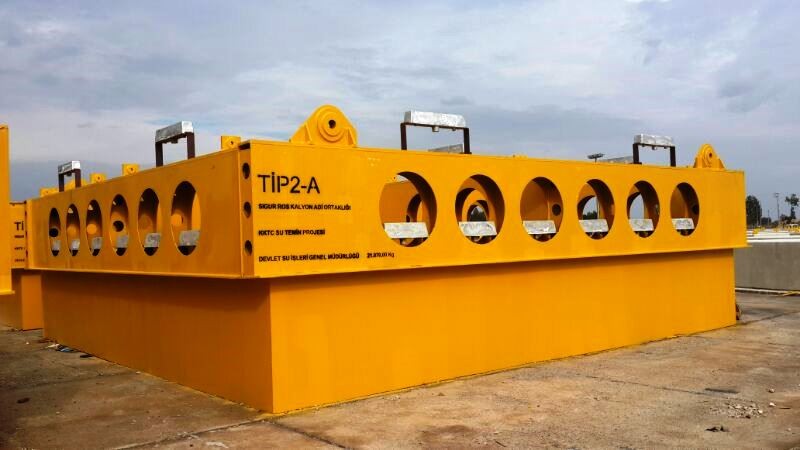
Seaway Ship Services, recognized as one of Turkiye's largest and most experienced producers of cathodic corrosion protection systems, was selected by the Turkish government to design, manufacture, deliver and install the comprehensive corrosion protection infrastructure for this critical national project. Our expertise in producing aluminium and zinc sacrificial anodes for marine applicationsโ€”ranging from vessels and offshore rigs to subsea structures and pipeline systemsโ€”positioned us as the ideal partner for this complex undertaking. The project demanded not only massive production capacity to manufacture hundreds of specialized corrosion protection units but also deep technical knowledge of cathodic protection design principles, materials science, electrochemical engineering and submarine installation methodologies.

The challenge extended far beyond conventional marine corrosion protection projects. The freshwater pipeline system required custom-engineered cathodic protection solutions capable of providing decades of maintenance-free corrosion control in the aggressive Mediterranean seawater environment. Each protection unit needed precise engineering to deliver optimal current output, proper anode material selection for the specific water chemistry conditions, robust structural design to withstand subsea installation stresses and long-term environmental forces and integration with the pipeline installation methodology. Additionally, the project's strategic importance and tight construction schedule demanded flawless execution: two months of intensive engineering and planning followed by two and a half months of high-volume manufacturing, quality control, logistics coordination and installation supportโ€”all while maintaining the exacting standards required for infrastructure designed to serve for 50+ years of operational life.

Challenge & Solution

The Challenge

  • Major government infrastructure project with national strategic importance
  • 80km subsea pipeline requiring comprehensive corrosion protection
  • Harsh Mediterranean seawater environment with high corrosion potential
  • Hundreds of custom cathodic protection units requiring production
  • Complex engineering for freshwater pipeline in saltwater environment
  • Precise electrochemical design for optimal protection current distribution
  • 50+ year design life requiring superior material quality and manufacturing
  • Tight project schedule coordinating with pipeline installation program
  • Massive production volume with zero tolerance for quality defects
  • Installation coordination during submarine pipeline laying operations

Our Solution

  • Comprehensive 2-month engineering and planning phase
  • Custom cathodic protection system design for pipeline specifications
  • Electrochemical modeling for optimal anode placement and sizing
  • Selection of high-purity aluminium and zinc anode materials
  • Large-scale manufacturing operations over 2.5 months
  • Rigorous quality control at every production stage
  • Coordinated logistics for delivery to pipeline installation sites
  • Technical support during submarine installation operations
  • Complete documentation and certification package
  • On-time delivery supporting critical national infrastructure timeline

Project Execution Timeline

Months 1-2: Engineering Design & Project Planning

Initial project mobilization meeting with Turkish government project authorities, pipeline engineering contractors and installation specialists to review project scope, technical requirements and coordination interfaces. Comprehensive review of pipeline system specifications including diameter, wall thickness, coating systems, installation methodology and operational parameters. Analysis of environmental conditions along the 80-kilometer submarine route including water depth profiles, seabed characteristics, water chemistry parameters, temperature ranges and marine growth potential. Electrochemical engineering calculations to determine optimal cathodic protection current requirements based on pipeline surface area, coating efficiency factors and expected coating breakdown rates over the design life. Detailed cathodic protection system design including anode type selection, anode spacing calculations, individual anode current output specifications and structural mounting configurations. Material selection engineering evaluating aluminium versus zinc anode chemistries considering specific Mediterranean seawater conditions, current efficiency characteristics and operational voltage requirements. Development of anode casting specifications including alloy composition limits, impurity restrictions and metallurgical requirements to ensure consistent electrochemical performance. Structural design of anode mounting brackets, attachment hardware and installation fixtures compatible with pipeline laying procedures. Creation of detailed manufacturing drawings including dimensional specifications, tolerance requirements, surface finish standards and quality control inspection points. Preparation of comprehensive quality assurance and quality control procedures covering incoming material inspection, casting process controls, dimensional verification, electrochemical testing and final acceptance criteria. Coordination with pipeline installation contractor regarding delivery schedules, staging area requirements and installation sequence. Development of logistics plan covering anode transportation from manufacturing facility to port facilities, loading operations and delivery to installation vessels. Preparation of technical documentation package including design calculations, material certificates, manufacturing procedures and installation guidelines. Final design review meeting with all stakeholders to approve engineering documents and authorize commencement of manufacturing operations.

Months 2.5-3.5: Materials Procurement & Manufacturing Preparation

Procurement of high-purity aluminium and zinc raw materials from certified suppliers with material certificates documenting chemical composition and compliance with anode alloy specifications. Incoming material inspection and testing including chemical analysis using spectrographic methods to verify alloy composition and identify any harmful impurities that could reduce anode efficiency. Preparation of foundry facilities for large-scale production run including maintenance of casting equipment, calibration of process controls and setup of quality inspection stations. Fabrication of casting molds in various sizes to accommodate different anode configurations specified in the engineering design. Manufacturing of steel core inserts that provide structural strength and attachment points within the sacrificial anode bodies. Production of anode mounting brackets, attachment plates and installation hardware using marine-grade steel with appropriate corrosion-resistant coatings. Setup of dedicated manufacturing work cells organized for efficient workflow from raw material preparation through casting, cooling, finishing, inspection and packaging operations. Training of production personnel on specific quality requirements, inspection procedures and documentation protocols for this critical infrastructure project. Initial production trials to validate casting parameters, optimize cooling rates and verify dimensional accuracy before commencing full-scale manufacturing. First article inspection of prototype anodes including complete dimensional verification, weight measurements, visual examination and electrochemical testing to confirm performance characteristics. Final approval from engineering team to proceed with full production following successful completion of qualification testing.

Months 3.5-5: High-Volume Manufacturing Operations

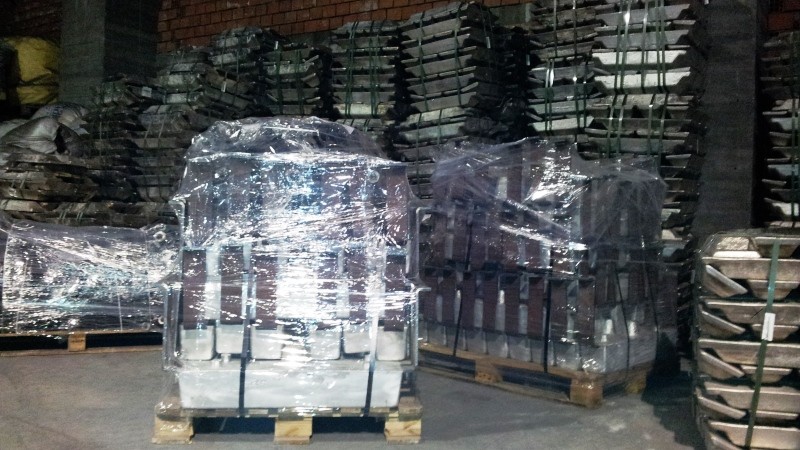
Commencement of intensive production operations with multiple shifts operating continuously to meet the demanding delivery schedule for hundreds of corrosion protection units. Systematic casting of aluminium and zinc anodes following approved procedures with careful control of melting temperatures, pouring rates and cooling cycles to ensure metallurgical consistency. Installation of steel core assemblies during the casting process to create integral attachment points within each anode body. Continuous quality monitoring throughout production including regular sampling for chemical analysis, dimensional checks using calibrated measurement instruments and visual inspection for surface defects or casting flaws. Finishing operations including removal of casting flash, surface grinding where required and cleaning to remove any contaminants that could affect electrochemical performance. Application of identification markings including serial numbers, material certifications and installation position indicators as specified in the engineering documentation. Electrochemical testing of sample anodes from each production batch to verify electrical potential, current output capacity and proper electrical continuity through steel core connections. Assembly of complete cathodic protection units including mounting brackets, attachment hardware and protective shipping fixtures. Comprehensive final inspection of each completed unit verifying all dimensional requirements, visual quality standards, marking requirements and documentation completeness. Detailed record-keeping with serialized tracking of each anode unit including material lot traceability, manufacturing date, inspection results and test data. Preparation of material certificates and quality documentation packages accompanying each batch of anodes for delivery to installation site. Progressive packaging operations using robust crating methods designed to protect anodes during transportation and handling while facilitating efficient installation operations. Staging of completed production in organized batches aligned with pipeline installation sequence and delivery schedule. Coordination with logistics providers regarding transport vehicle availability, loading schedules and delivery timing to support the pipeline laying program without delays.

Month 5: Delivery, Installation Support & Project Completion

Systematic transportation of completed cathodic protection units from manufacturing facility to port staging areas using specialized heavy transport vehicles with proper load securing and protection. Port operations including careful offloading, organized storage in designated staging areas and preparation for loading aboard pipeline installation vessels. Quality control inspection at delivery point verifying condition of all units following transport, confirming documentation completeness and resolving any shipping damage or discrepancies. Technical coordination meetings with pipeline installation crews covering anode installation procedures, attachment methods, positioning requirements and quality verification protocols. Loading operations placing cathodic protection units aboard installation vessels in sequence matching the pipeline laying program for efficient access during subsea operations. Deployment of Seaway technical representatives to provide installation support, answer technical questions and verify proper installation practices during submarine operations. Installation coordination as pipeline sections are progressively laid on the seabed with cathodic protection anodes attached at specified intervals according to the engineered spacing design. Visual documentation of installation operations including photography confirming proper anode positioning, secure attachment and correct orientation relative to pipeline structure. Verification of electrical continuity testing performed by installation crews confirming proper electrical connection between anodes and pipeline steel structure. Progressive handover of installation documentation as each pipeline section is completed including serialized anode records, installation photos and as-built position information. Final project completion review with government project authorities confirming all deliverables have been satisfied including anode quantity, quality documentation, installation records and technical support. Delivery of comprehensive project documentation package including engineering design documents, material certificates, manufacturing records, quality test results, installation verification and complete serialized anode tracking database. Provision of long-term technical support information including anode performance characteristics, expected service life, monitoring recommendations and maintenance guidelines. Project close-out meeting celebrating successful completion of this major national infrastructure project and establishing the foundation for potential future collaboration on similar strategic initiatives. Recognition of Seaway's successful execution of this complex, large-scale corrosion protection project under demanding schedule constraints while maintaining the highest quality standards for 50+ year infrastructure design life.

Project Gallery

Technical Specifications

๐Ÿšข

Project Scale

80km Pipeline

Turkiye to Cyprus freshwater submarine pipeline

โฑ๏ธ

Project Duration

4.5 Months

2 months planning + 2.5 months production

๐Ÿ”ง

System Type

Cathodic Protection

Aluminium and zinc sacrificial anode systems

๐Ÿ“ฆ

Production Volume

Hundreds of Units

Large-scale manufacturing for major infrastructure

๐Ÿ—๏ธ

Client

Turkish Government

National strategic infrastructure project

โœ“

Design Life

50+ Years

Long-term corrosion protection performance