Project Overview

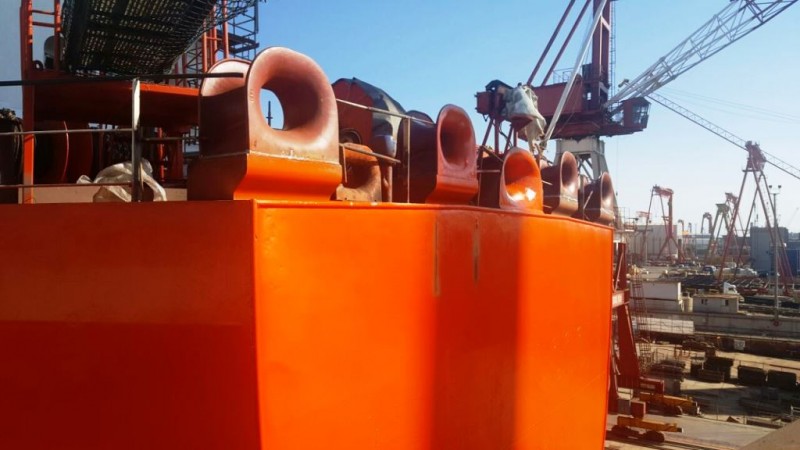
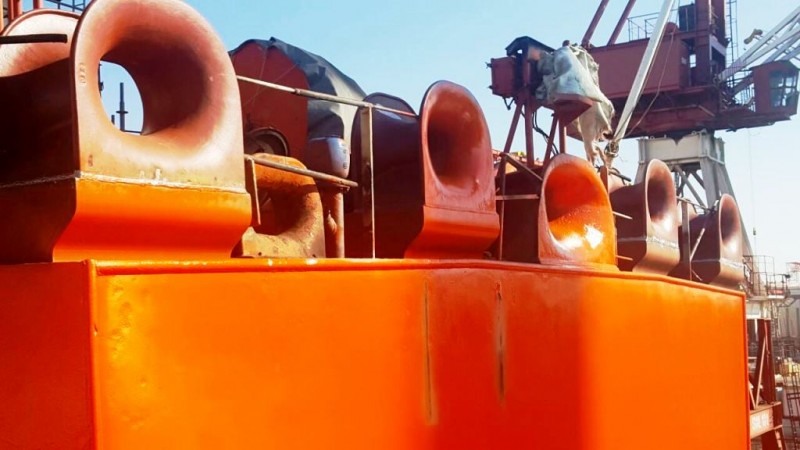
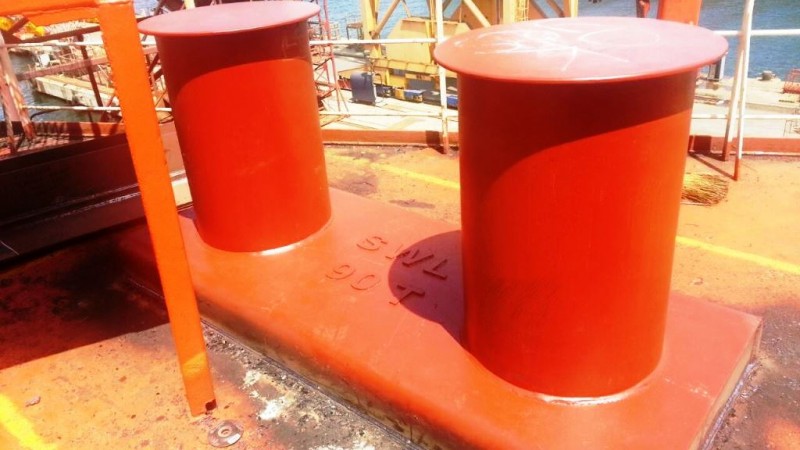
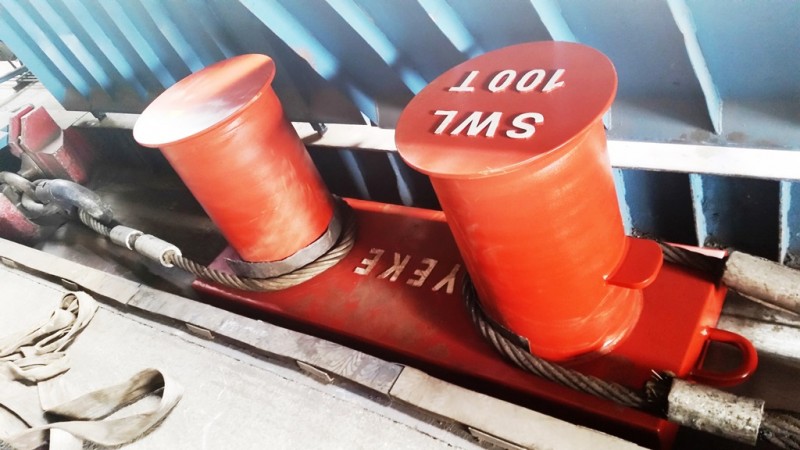
Panama Canal transit operations demand specialized mooring equipment engineered to withstand extreme forces during lock chamber operations. When a vessel's Panama Canal mooring system required comprehensive overhaul, the ship owner faced a critical challenge: this specialized equipmentโ€”including heavy-duty bollards, fairleads, roller chocks and mooring postsโ€”had deteriorated through years of intensive use during repeated canal transits. The mooring system components, essential for safe vessel control during lock operations where ships are secured to electric locomotives (mules) via heavy wire ropes, showed extensive wear including structural fatigue, corrosion damage, coating degradation and dimensional changes that could compromise operational safety during the extreme loading conditions experienced in Panama Canal locks.

The complexity of this project extended beyond standard mooring equipment maintenance. Panama Canal mooring systems must meet stringent Panama Canal Authority specifications and are subject to rigorous inspection standards. These specialized components endure unique loading patterns during lock operations where water levels change rapidlyโ€”creating dynamic forces as vessels rise or descend up to 26 meters through the lock chambers. The equipment must also comply with specific dimensional requirements to ensure proper engagement with canal infrastructure. Furthermore, the vessel's operational schedule created intense time pressure: every day in shipyard meant lost revenue and the owner required the entire system reconditioned and reinstalled within an extraordinarily tight timeframe to minimize commercial impact.

Seaway Ship Services was contracted to execute a comprehensive turnkey solution: complete removal of the Panama Canal mooring system, international transportation to our Yalova workshop facilities, full reconditioning of all components to original specifications and reinstallation aboard the vesselโ€”all within just 12 days including customs clearance procedures. This accelerated timeline demanded exceptional project management, simultaneous parallel work streams and flawless coordination between our engineering team, workshop personnel, logistics specialists, customs brokers and installation crews. The project would showcase Seaway's unique capability to deliver complex maritime engineering solutions under extreme time constraints while maintaining uncompromising quality standards.

Challenge & Solution

The Challenge

  • Specialized Panama Canal mooring equipment requiring overhaul
  • Heavy-duty bollards and fairleads with structural wear and corrosion
  • Roller chocks with bearing seizure and dimensional changes
  • Mooring posts showing coating degradation and surface damage
  • Equipment must meet Panama Canal Authority specifications
  • Extremely tight 12-day project completion deadline
  • International logistics including customs clearance procedures
  • Simultaneous transportation, reconditioning and installation workflows
  • Heavy components requiring precision fabrication and machining
  • Zero tolerance for delays impacting vessel's commercial schedule

Our Solution

  • Rapid mobilization with comprehensive project planning and scheduling
  • Expedited customs clearance with pre-arranged documentation
  • Fast-track transportation to Yalova workshop facilities
  • Parallel work streams with multiple component processing
  • Complete structural inspection and damage assessment
  • Precision machining and fabrication of worn components
  • Certified welding repairs on structural elements
  • Professional surface preparation and marine coating application
  • Load testing and dimensional verification to specifications
  • On-time delivery and installation within 12-day deadline

Project Execution Timeline

Days 1-2: Removal, Transportation & Customs Clearance

Project kickoff meeting with vessel representatives, shipyard management and Seaway project team to review scope, schedule and safety procedures. Mobilization of specialized equipment including heavy-lift cranes, rigging gear and transport vehicles to vessel location. Systematic removal of Panama Canal mooring equipment including bollards, fairleads, roller chocks and mooring posts from deck positions. Detailed documentation of each component including identification marking, position references and photographic records for reinstallation accuracy. Careful rigging operations using appropriate lifting gear sized for multi-tonne mooring equipment components. Loading onto specialized transport vehicles with proper load distribution and securing arrangements. Preparation of comprehensive customs documentation including equipment inventory, valuation declarations and temporary import permits. Coordination with customs brokers to expedite clearance procedures at international border. Transport convoy from vessel location to Yalova workshop facilities with all required permits and clearances. Simultaneous preparation of workshop facilities including allocation of work areas, staging of tools and equipment and assignment of skilled personnel. Arrival at Yalova workshop and immediate offloading of all mooring system components. Organization of components in logical work sequence to enable parallel processing streams. Initial visual inspection and condition assessment by engineering team. Development of detailed work plans for each component type specifying repair procedures, materials required and quality control checkpoints.

Days 3-5: Disassembly, Inspection & Fabrication Planning

Comprehensive disassembly of roller chock assemblies to expose internal bearing systems, shaft components and structural elements. Removal of severely corroded fasteners using specialized extraction techniques including heat application and hydraulic pullers. Complete stripping of degraded coating systems from all mooring components using mechanical methods including grinding, sandblasting and power tool cleaning to expose base metal. Detailed dimensional inspection of all components using precision measurement instruments including calipers, micrometers and laser measurement systems. Identification of worn surfaces, dimensional deviations and structural damage requiring repair. Discovery of bearing race wear in roller chock assemblies necessitating machining operations. Assessment of bollard structural integrity revealing stress concentrations requiring weld repairs. Evaluation of fairlead surfaces showing groove wear patterns from repeated wire rope loading. Documentation of all findings with detailed measurement records and photographic evidence. Engineering review of inspection results to determine repair versus replace decisions for each component. Preparation of material requirements including new bearings, fasteners, welding consumables and coating materials. Ordering of long-lead items with expedited delivery to meet project schedule. Development of detailed fabrication and repair procedures including welding procedure specifications and machining operation sequences. Assignment of work packages to specialized teams including welders, machinists and coating specialists. Simultaneous initiation of multiple repair streams to maximize productivity within compressed timeline. Beginning of precision machining operations for worn bearing surfaces and shaft journals using CNC and conventional machine tools. Preparation of damaged structural areas for weld repairs including proper joint preparation, cleaning and fit-up procedures.

Days 6-8: Repair, Reconditioning & Coating Operations

Execution of structural weld repairs on bollards and mooring posts by coded welders using approved welding procedures. Multi-pass welding techniques employed for heavy section repairs ensuring full penetration and proper fusion. Post-weld heat treatment where required to relieve residual stresses in critical structural repairs. Non-destructive testing of critical welds including visual inspection, dye penetrant testing and magnetic particle inspection to verify weld quality. Precision machining of roller chock bearing surfaces to restore original dimensional specifications and surface finish requirements. Boring operations to recondition bearing bores with proper tolerances for new bearing installation. Shaft turning operations to restore journal surfaces to proper diameter and surface finish. Installation of new heavy-duty bearings using appropriate fitting methods including hydraulic mounting, thermal expansion techniques or interference fit procedures. Reconditioning of fairlead surfaces through grinding and machining to remove groove wear and restore proper wire rope running surfaces. Fabrication of new components where existing parts exceeded repair limits including replacement posts, pins and structural elements. Final dimensional verification of all repaired and reconditioned components against original specifications and Panama Canal Authority requirements. Surface preparation for coating application including final cleaning to remove all contamination, oil residues and loose material. Application of approved primer systems compatible with marine environments and Panama Canal operational conditions. Multiple coat application process following manufacturer specifications for film thickness, inter-coat intervals and curing requirements. Application of high-performance topcoat systems in specified colors with proper film build for long-term corrosion protection. Quality control inspection of coating application including film thickness measurements using electronic coating thickness gauges. Touch-up of any coating defects or areas with insufficient film build. Curing period for coating systems under controlled conditions to achieve full mechanical properties.

Days 9-10: Final Assembly, Testing & Quality Assurance

Assembly of roller chock units with new bearings ensuring proper lubrication and correct installation orientation. Installation of new fasteners with appropriate thread locking compounds and torque specifications. Functional testing of roller chock assemblies verifying smooth rotation without binding or excessive play. Load testing of critical structural repairs where applicable using calibrated test equipment and documented procedures. Final dimensional inspection of all components using precision measurement tools with results recorded in quality documentation. Photography of completed components showing finished condition, dimensional verification and quality of workmanship. Preparation of comprehensive quality assurance package including material certificates, test reports, dimensional inspection records and welding documentation. Independent quality control review by senior engineering personnel verifying compliance with all specifications and acceptance criteria. Pre-shipment inspection coordination if required by vessel owner or classification society. Preparation of components for return transportation including protective packaging, proper identification marking and securing arrangements. Organization of loading sequence to facilitate efficient installation upon arrival at vessel. Coordination with logistics team regarding transport scheduling, route planning and any required permits for oversized loads. Final project documentation review ensuring all records, certificates and test reports are complete and properly organized. Preparation of installation procedure documents with detailed step-by-step instructions, torque specifications and alignment requirements. Tool and equipment preparation for installation team including specialized installation fixtures, torque wrenches and alignment instruments.

Days 11-12: Transportation, Installation & Final Commissioning

Loading of all reconditioned Panama Canal mooring components onto transport vehicles with proper load securing and protection against transportation damage. Transport from Yalova workshop facilities back to vessel location with coordination of arrival timing to match vessel availability. Arrival at shipyard and immediate mobilization of installation crew with all required tools, equipment and rigging gear. Positioning of heavy-lift cranes and staging areas for efficient component handling and installation workflow. Sequential installation of mooring system components beginning with foundation-mounted equipment and progressing to deck-level hardware. Precise positioning of bollards with verification of mounting hole alignment and foundation interface. Installation of foundation bolts with proper torque application using calibrated torque wrenches and documented tightening sequences. Installation of roller chock assemblies with alignment verification to ensure proper positioning for wire rope routing. Mounting of fairleads and mooring posts with attention to correct orientation and deck penetration sealing. Installation of all associated hardware including pins, shackles and securing devices. Application of thread locking compounds and corrosion inhibitors at all fastener locations. Final dimensional verification of installed equipment checking critical spacing, height dimensions and alignment parameters. Functional testing of roller chock rotation under no-load conditions verifying smooth operation throughout full range of motion. Visual inspection of all installations confirming proper assembly, secure fastening and coating integrity. Final touch-up of any coating damage incurred during installation using compatible touch-up materials. Comprehensive handover inspection with vessel's chief officer reviewing all installed equipment and associated documentation. Delivery of complete documentation package including quality records, material certificates, test reports, installation records and maintenance recommendations. Training session with deck crew covering proper use, routine maintenance and inspection procedures for Panama Canal mooring equipment. Photographic documentation of completed installation for project records. Demobilization of Seaway equipment and personnel. Project completion achieved within 12-day deadline with vessel ready for service.

Project Gallery

Technical Specifications

๐Ÿšข

Equipment Type

Panama Canal

Specialized mooring system for canal transit operations

โฑ๏ธ

Project Duration

12 Days

Complete turnkey solution including logistics

โš™๏ธ

Load Capacity

100 Tonnes

Heavy-duty bollards rated for extreme forces

๐Ÿ”ง

Components

40+ Parts

Bollards, fairleads, roller chocks, posts

๐Ÿ“

Location

Yalova Shipyards

Workshop reconditioning with installation

โœ“

Compliance

PCA Certified

Panama Canal Authority specifications met