Project Overview

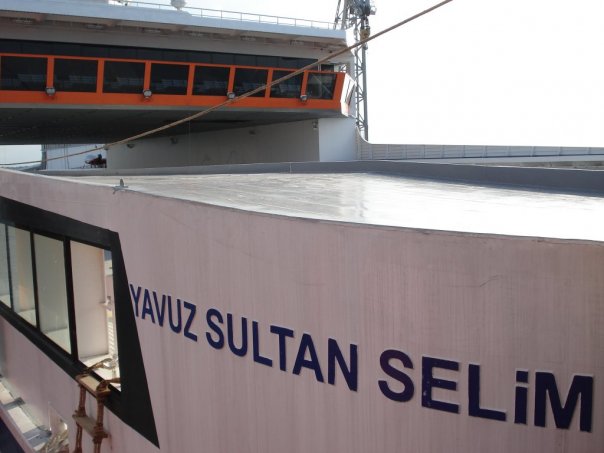
Seaway Ship Services was entrusted with the comprehensive management of one of the most complex maritime logistics projects in recent Turkish maritime history: the transportation, dismantling, and commissioning of two state-of-the-art aluminium passenger ferries built by Damen Shipyard in China for Istanbul Municipality. This multi-phase international project represented a critical investment in Istanbul's public transportation infrastructure, requiring seamless coordination across continents, multiple stakeholders, and demanding technical specifications.

The project began in Damen's advanced shipyard facilities in China, where two identical high-speed aluminium passenger ferries were constructed to meet Istanbul Municipality's exacting requirements for modern, efficient urban water transport. These lightweight yet robust vessels represent the latest in ferry design technology, utilizing advanced aluminium alloy construction techniques for optimal strength-to-weight ratios, hydrodynamic hull forms for fuel efficiency, and contemporary passenger amenities for comfortable urban commuting. Upon completion of yard trials and documentation in China, the ferries required transportation across 8,000 nautical miles to their operational home in Istanbulβ€”a logistical challenge requiring specialized heavy-lift vessel capabilities.

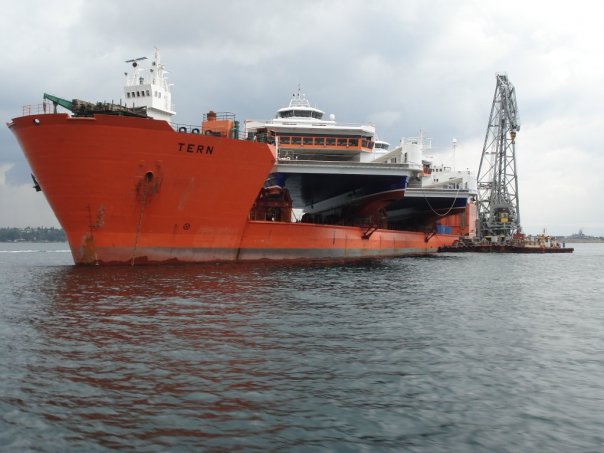
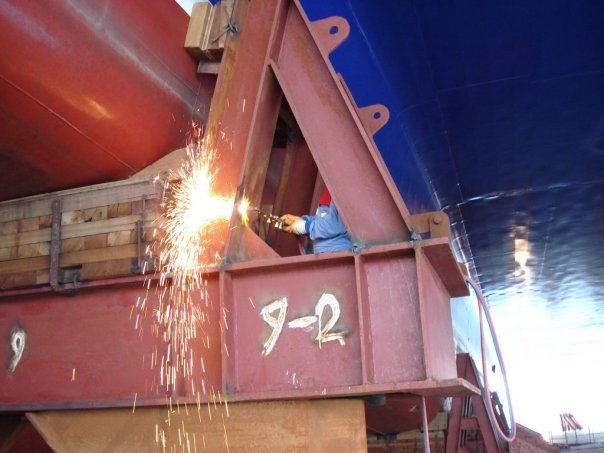
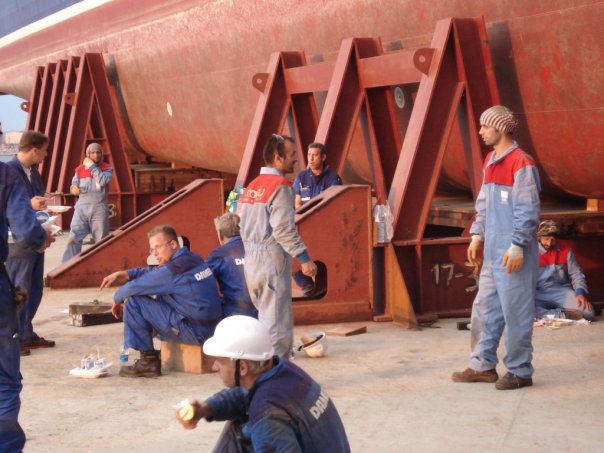
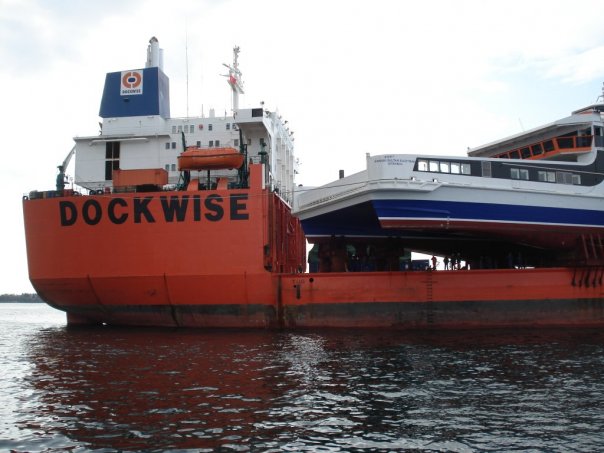
Dockwise, the world's leading provider of heavy marine transport services, deployed two of their specialized heavy-lift vessels for this critical cargo. These vessels utilize sophisticated float-on/float-off technology, where the ship's cargo deck can be submerged beneath the waterline, allowing ferries to be floated into position, then lifted as the heavy-lift vessel de-ballasts and rises. Each Dockwise vessel loaded one complete ferry in China, securing them with custom-engineered seafastening arrangements designed to withstand the dynamic forces of a trans-oceanic voyage through varying sea conditions, weather patterns, and wave loading scenarios.

Scope of Services

Our comprehensive management scope encompassed every phase of this complex operation, beginning with advance coordination months before the vessels' arrival. This preparatory work included detailed engineering studies, berth selection and preparation, heavy-lift crane procurement and positioning, customs documentation preparation, and coordination with all regulatory authorities including Turkish Coast Guard, port authorities, and classification societies.

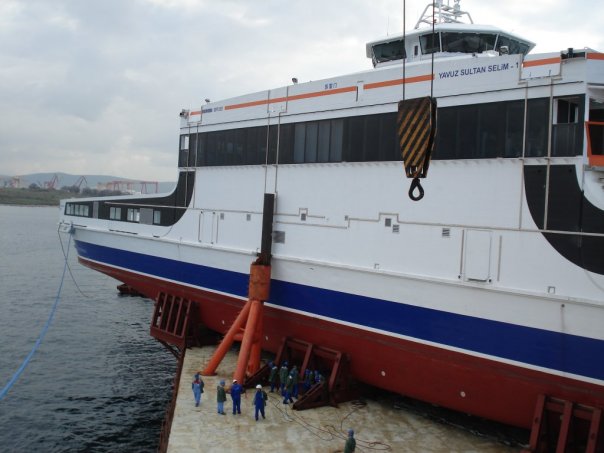
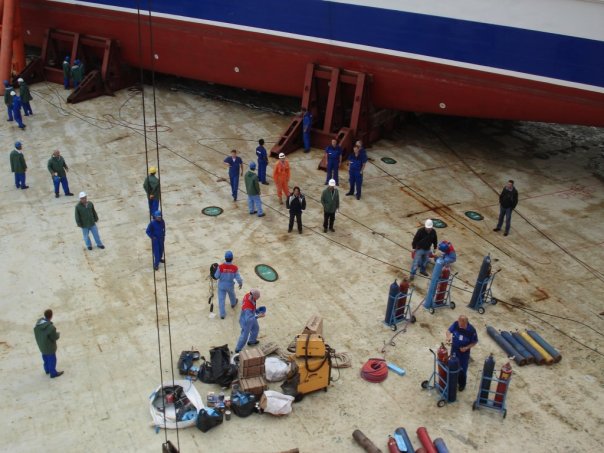
Heavy-Lift Dismantling Operations: When the two Dockwise heavy-lift vessels arrived in Turkish waters after their lengthy voyage from China, they proceeded to Pendik Port where our specialized heavy-lift team stood ready. The dismantling operation required meticulous planning and execution, as each aluminium ferry represented not just a valuable cargo, but a precision-engineered vessel that must arrive at its final destination without any structural damage, stress concentrations, or cosmetic defects. Our engineering team had conducted detailed lift studies, calculating precise center-of-gravity locations, developing custom spreader bar arrangements, and planning lift sequences that would ensure even load distribution across the aluminium hull structure. Using heavy-duty mobile cranes with lifting capacities exceeding 200 tonnes, combined with specialized maritime rigging equipment including custom-fabricated lifting beams, soft slings to protect the aluminium surfaces, and precision load monitoring systems, we executed the controlled lifts. Each ferry was carefully raised from the Dockwise deck, transferred across open water between vessels and pier, and precisely positioned on the quayside staging area. These operations were conducted with millimeter-level precision to prevent any swinging, tilting, or sudden movements that could induce stress in the lightweight aluminium structures.

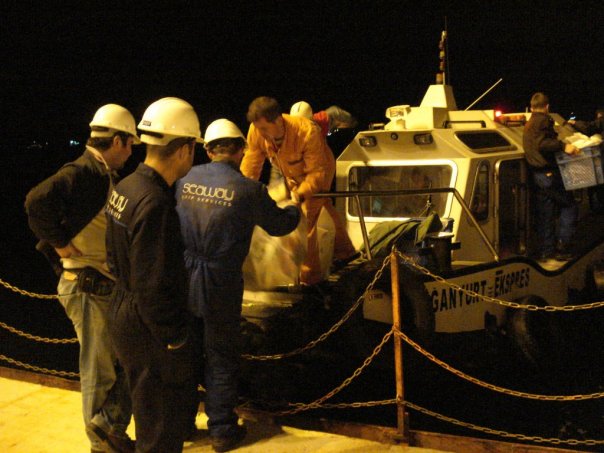
Berthing and Transportation to Final Location: Following successful dismantling from the Dockwise vessels, both ferries required careful berthing at Pendik Port before final transportation to Tuzla, where comprehensive installation and commissioning work would take place. Our marine operations team managed every aspect of this phase, including tugboat coordination for precise positioning, fendering arrangements to protect the aluminium hulls, mooring operations with appropriate tension monitoring, and preparation for the short sea transit to the final installation berth in Tuzla. This short transit required careful weather window selection, appropriate escort vessel arrangement, and continuous monitoring of vessel stability and sea conditions.

Installation & Commissioning Work

Once securely berthed at the installation facility in Tuzla, the real complexity of the project emerged. While the ferries had been largely completed in China, numerous critical systems required installation, testing, and commissioning in Turkey to meet local operational requirements and regulatory standards.

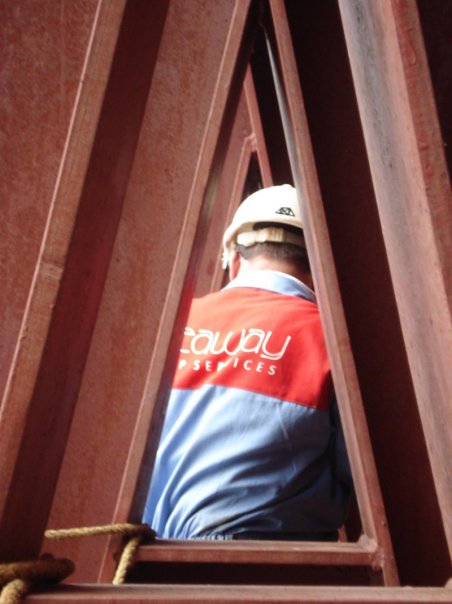
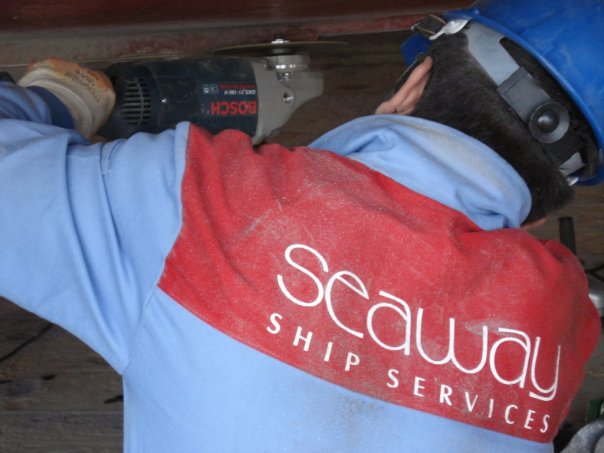
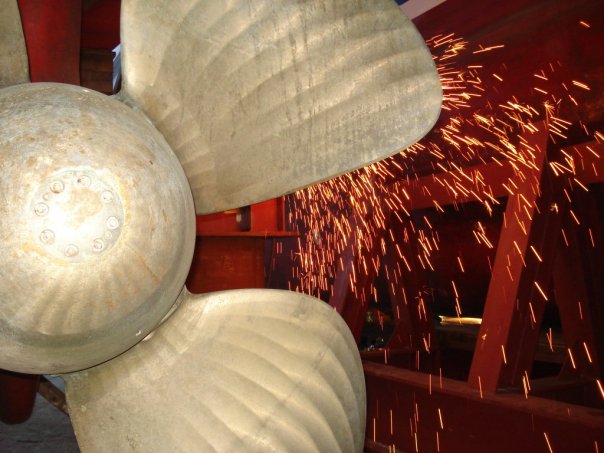
Main Engine Installation: Each ferry required installation of four main propulsion enginesβ€”a total of eight engines across both vessels. These high-performance marine diesel engines, each representing sophisticated precision machinery weighing several tonnes, required careful handling and precise alignment. Our mechanical engineering team managed the complete installation process, beginning with preparation of engine room foundations, verification of mounting bolt positions and torque specifications, installation of flexible engine mounts to isolate vibration, precision alignment of propeller shafts using laser alignment systems to ensure perfect concentricity, connection of engine cooling systems including seawater intake, freshwater circuits, and heat exchangers, installation of exhaust systems with water-cooled silencers and appropriate thermal insulation, routing and connection of fuel supply and return lines with proper filtration and separation equipment, and integration of engine control systems including electronic governors, monitoring instrumentation, and emergency shutdown systems.

Interior Installations: The passenger accommodation spaces required extensive completion work to transform the basic hull structure into a fully functional modern ferry. This comprehensive interior fitting included installation of passenger seating systems with proper securing arrangements to meet marine safety regulations, accessibility features complying with disabled passenger requirements, climate control systems including HVAC ducting, air handling units, and zone controls, passenger information displays and entertainment systems, lighting systems with emergency backup capabilities, galley equipment and pantry facilities for passenger service, toilet facilities with marine sanitation systems and holding tank connections, interior finishing work including wall panels, ceiling systems, flooring materials, and decorative elements, life-saving equipment including life jacket storage, emergency exit signage, and evacuation route marking, fire detection and suppression systems with smoke detectors, fire alarms, and appropriate extinguishing equipment, and watertight door systems with remote closing capabilities for damage control scenarios.

Deck Installations: The external deck areas required substantial equipment installation and testing, encompassing passenger boarding systems including gangways, embarkation platforms, and safety rails, navigation equipment including radar systems, GPS, electronic chart displays, AIS transponders, and communication systems, deck machinery including anchor windlasses, mooring winches, and capstans, external lighting systems for navigation, deck illumination, and safety marking, passenger safety equipment including life rafts, life buoys, and safety railings, fendering systems for berthing operations, and deck finishing work including non-slip surfaces, drainage systems, and weather-resistant fixtures.

Machinery and Hydraulic Systems: Beyond the main engines, both ferries required comprehensive installation and commissioning of auxiliary machinery and hydraulic systems. This included hydraulic steering systems with redundant actuators and emergency steering capabilities, bow and stern thrusters for maneuvering in confined waters, hydraulic ramp systems for vehicle loading (if applicable), hydraulic stabilizer systems for passenger comfort, auxiliary generators for electrical power generation, fuel transfer and purification systems, bilge and ballast pumping systems, fire-fighting pumps and distribution systems, compressed air systems for control and service air, hydraulic power packs for various deck machinery, and HVAC compressor and pump installations.

Engineering Challenges & Solutions

Challenge 1: International Coordination & Logistics

Coordinating a project spanning two continents presented unique challenges in communication, scheduling, and regulatory compliance. Time zone differences between China, Turkey, and various international stakeholders required careful scheduling of coordination meetings and milestone reviews. Language barriers necessitated multilingual documentation and interpretation services. Regulatory differences between Chinese construction standards and Turkish operational requirements required detailed technical review and compliance verification.

Solution: We established a dedicated project management office with multilingual staff, implemented web-based project tracking systems for real-time visibility across time zones, appointed liaison personnel in both China and Turkey, and worked closely with classification societies to ensure compliance with both international conventions and local regulations throughout the process.

Challenge 2: Heavy-Lift Operations in Confined Port

Dismantling two large passenger ferries from Dockwise heavy-lift vessels in Pendik Port presented significant operational challenges. The port's confined waters limited maneuvering space for the large Dockwise vessels. Tidal variations affected available crane reach and working windows. The lightweight aluminium construction required extreme care during lifting to prevent structural damage. Weather conditions including wind loading on the large ferry superstructures complicated lifting operations.

Solution: Comprehensive pre-planning included detailed 3D modeling of lift operations, weather window selection and backup scheduling, use of specialized rigging with soft slings and custom spreader bars, continuous structural stress monitoring during lifts, experienced heavy-lift supervisors directing each phase, and standby contingency equipment including backup cranes and additional mooring equipment.

Challenge 3: Engine Alignment & Propulsion Integration

Installing four main engines per ferry with precision shaft alignment represented a critical technical challenge. Any misalignment would result in excessive vibration, bearing wear, reduced efficiency, and potential mechanical failure. The aluminium hull structure's different thermal expansion characteristics compared to steel required special consideration. Multiple engine installations on each vessel demanded careful load distribution and structural support design.

Solution: Laser alignment technology provided micron-level precision for shaft alignment. Cold alignment procedures accounted for thermal expansion at operating temperatures. Flexible engine mounts isolated vibration while maintaining alignment. Comprehensive run-in procedures verified proper alignment under operating conditions. Vibration analysis equipment confirmed successful installations before final acceptance.

Challenge 4: Systems Integration & Commissioning

Integrating numerous complex systems installed by different suppliers required meticulous coordination. Electrical systems from multiple manufacturers needed integration into unified control architecture. Hydraulic systems required pressure balancing and flow distribution. HVAC systems needed zoning and load balancing. Safety systems required integration with central monitoring.

Solution: Systematic commissioning procedures tested each system individually before integration. Interface testing verified proper communication between systems. Load testing confirmed capacity of all systems under simultaneous operation. Comprehensive trials demonstrated full functionality before handover. Detailed operating manuals and crew training ensured successful operational transition.

Project Gallery

Technical Specifications

🚒

Vessel Quantity

2 Ferries

Identical aluminium passenger ferry vessels

πŸ—οΈ

Builder

Damen Shipyard

Constructed at Damen facilities in China

βš™οΈ

Main Engines

4 Per Ferry

Total 8 main propulsion engines installed

🌍

Transport Distance

8,000+ NM

China to Turkey via Dockwise heavy-lift vessels

πŸ›οΈ

End Client

Istanbul Municipality

Urban public transportation ferry service

πŸ“

Installation Port

Tuzla, Istanbul

Final commissioning and handover location

Project Outcome

The successful completion of this landmark project represented a triumph of international project management, technical expertise, and operational excellence. Both aluminium passenger ferries were delivered to Istanbul Municipality in pristine condition, fully commissioned, tested, and ready for immediate service in Istanbul's busy urban ferry network. The project demonstrated Seaway Ship Services' capability to manage complex, multi-phase international maritime projects involving diverse stakeholders, demanding technical requirements, and critical delivery timelines.

Key achievements included zero lost-time incidents across thousands of man-hours of heavy-lift, installation, and commissioning work, demonstrating our unwavering commitment to safety. All major milestones were met or exceeded despite the complexity of international coordination and multiple technical interfaces. Classification society approvals were obtained efficiently through proactive engagement and comprehensive documentation. The ferries entered service with Istanbul Municipality on schedule, immediately contributing to the city's public transportation capacity and demonstrating the reliability of modern aluminium ferry design combined with professional installation and commissioning.

This project showcased Seaway's unique capabilities in heavy-lift marine operations, comprehensive systems installation and commissioning, international project coordination, and turnkey project delivery. The successful outcome reinforced our position as Turkey's premier provider of complex maritime engineering solutions, capable of managing projects of any scale and technical complexity from initial planning through final handover and operational support.